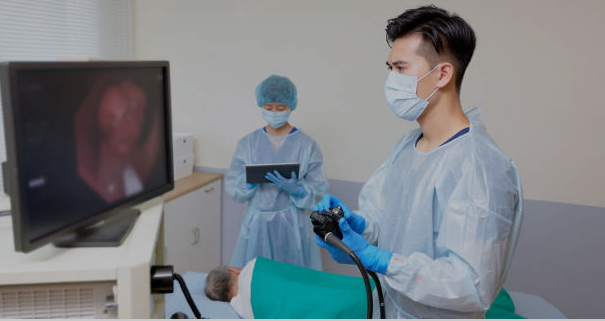
Endoscopy has transformed modern medicine by enabling minimally invasive diagnostics and treatments. The success of these procedures depends not only on the skill of healthcare professionals but also on the quality and reliability of the instruments used. Any contamination in endoscopic equipment can compromise patient safety and affect diagnostic accuracy. Sterility has therefore become a cornerstone of safe endoscopic practices.
No doubt, advanced endoscopy imaging solutions rely heavily on high-quality endoscope replacement parts to maintain consistent performance. These parts come into direct contact with patients’ internal organs and tissues. Ensuring their sterility is crucial for preventing infections and ensuring accurate imaging.
Understanding the importance of sterile components helps medical facilities uphold patient safety and operational efficiency.
What Are Advanced Endoscopy Imaging Solutions?
Advanced endoscopy imaging solutions encompass a range of tools and technologies designed to provide detailed visualization of internal organs. These solutions include high-definition cameras, flexible endoscopes, lighting systems, and specialized imaging software. They allow clinicians to detect and diagnose conditions with precision while minimizing patient trauma.
The quality of these imaging systems directly affects the accuracy of medical procedures. Clear visuals, precise focus, and reliable instrumentation are essential for identifying abnormalities. Even minor disruptions, such as a malfunctioning component, can lead to misdiagnosis or incomplete examinations.
Integration of advanced imaging technologies has increased the demand for specialized components. Each part, from lenses to control knobs, contributes to the system’s overall performance. As such, maintaining the functionality and sterility of replacement parts is vital.
Why Are Endoscope Replacement Parts Critical for Performance?
Endoscopes are complex instruments composed of multiple delicate components. Over time, certain parts may wear out, lose functionality, or become damaged. Replacement parts are therefore necessary to restore the device to optimal performance. This includes items such as insertion tubes, valves, connectors, and imaging sensors.
Using high-quality replacement parts ensures that the endoscope continues to function as intended. Poor-quality or non-sterile components can affect maneuverability, image clarity, and patient safety. In addition, improper parts may introduce risks such as leaks, blockages, or contamination.
Precision and compatibility are also key factors. Replacement parts must meet strict specifications to integrate seamlessly with the main device. Any deviation can compromise performance and increase maintenance requirements. Reliable parts help extend the life of advanced imaging solutions and maintain consistent results.
How Does Sterility Prevent Infection in Endoscopic Procedures?
Sterility is essential because endoscopes come into direct contact with internal tissues. Any microbial contamination can lead to infections ranging from minor irritations to serious systemic conditions. In medical environments, strict sterilization protocols are mandatory to protect patients.
Non-sterile endoscope replacement parts can introduce bacteria, viruses, or fungi into the body. This poses a significant risk, particularly for immunocompromised patients. Healthcare-associated infections (HAIs) can result from improper handling or inadequate sterilization of endoscopic components.
Sterile replacement parts ensure that the instrument remains safe for patient use. They help maintain a controlled environment during procedures, reducing the risk of contamination. This not only safeguards patients but also protects healthcare staff from potential exposure.
Routine monitoring and validation of sterility are necessary to maintain safety. Hospitals and clinics often follow strict protocols to check and confirm that replacement parts meet sterilization standards. Adhering to these practices reinforces the reliability of advanced endoscopy imaging solutions.
What Sterilization Methods Are Used for Endoscope Replacement Parts?
Several sterilization methods are employed to ensure the safety of endoscopic components. Common techniques include autoclaving, chemical sterilization, and gas sterilization. Each method is selected based on the material and sensitivity of the parts.
Autoclaving uses high-pressure steam to eliminate microorganisms. It is highly effective but may not be suitable for heat-sensitive components. Chemical sterilization, using agents like ethylene oxide or hydrogen peroxide, provides an alternative for delicate parts. Gas sterilization is particularly useful for complex or hollow components that cannot be exposed to moisture or heat.
Proper packaging and handling after sterilization are also critical. Even sterile parts can become contaminated if stored or transported incorrectly. Following strict guidelines ensures that replacement components remain sterile until use.
Healthcare facilities must train staff on correct sterilization procedures. Knowledge of which methods are suitable for each component helps maintain patient safety. Proper sterilization practices complement the use of high-quality replacement parts.
How Do Sterile Replacement Parts Enhance Patient Safety and Outcomes?
Sterile endoscope replacement parts directly contribute to patient safety by preventing infections during endoscopic procedures. Reducing the risk of contamination lowers the chances of complications and post-procedure hospital stays. This promotes faster recovery and better overall outcomes.
In addition, sterile components maintain the accuracy and reliability of advanced imaging solutions. Clear, high-quality visuals allow clinicians to detect abnormalities accurately. This ensures that diagnoses are correct and treatments are appropriately targeted.
Sterility also instills confidence in patients. Knowing that instruments are safe and hygienic improves trust in healthcare providers. This positive perception is important for patient satisfaction and adherence to medical advice.
Furthermore, sterile parts reduce liability risks for medical institutions. Healthcare-associated infections can result in legal and financial consequences. Investing in sterile, high-quality replacement components helps mitigate these risks.
What Are the Risks of Using Non-Sterile or Low-Quality Parts?
Using non-sterile or substandard replacement parts can compromise both safety and functionality. Contaminated components may introduce harmful microorganisms into the patient’s body, leading to infections. These infections can be severe, costly, and sometimes life-threatening.
Poor-quality parts may also fail mechanically during procedures. This can cause delays, equipment damage, or incomplete examinations. Unreliable performance affects the efficiency of medical procedures and may result in misdiagnosis.
In addition, non-compliance with sterilization standards can expose medical facilities to regulatory penalties. Health authorities enforce strict hygiene protocols, and violations can have serious consequences. Ensuring the sterility and quality of replacement parts is therefore both a safety and compliance issue.
Finally, low-quality parts can increase maintenance costs. Frequent replacements or repairs may be necessary, leading to higher operational expenses. Investing in sterile, high-grade components reduces these long-term costs.
Conclusion:
Sterility is a non-negotiable aspect of modern endoscopic procedures. Ensuring that endoscope replacement parts remain sterile is critical for patient safety, accurate diagnostics, and overall equipment performance. Contaminated or low-quality components can lead to infections, complications, and regulatory issues.
Advanced endoscopy imaging solutions rely on high-quality, sterile replacement parts to maintain reliability and precision. These components not only prevent contamination but also support consistent imaging performance. By prioritizing sterility and quality, healthcare facilities can protect patients, improve outcomes, and uphold high standards of medical care. Investing in sterile replacement parts is both a practical necessity and a reflection of modern healthcare’s commitment to safety.
Source: FG Newswire