Healthcare environments demand constant attention to hygiene and safety, as even small lapses can have serious consequences for patients and staff. With medical procedures becoming increasingly advanced, the risk of contamination grows, making it essential for hospitals and clinics to adopt reliable strategies to maintain cleanliness and reduce infection risks. These measures are vital for improving patient outcomes and sustaining trust.
Flexible endoscope parts and disposable bedsheets play a crucial role in infection control. By minimizing cross-contamination during procedures and patient care, these components help create a safer and more controlled environment.
Curious to learn how these essential items contribute to stronger hygiene protocols and better healthcare outcomes?
In this article, we will explore their importance and show why they are indispensable in modern medical settings. Without any further delay, it’s time to get into the heart of the topic.
Why Are Flexible Endoscope Parts Essential for Infection Prevention?
Flexible endoscopes are widely used for diagnosing and treating internal medical conditions. These instruments come into direct contact with sensitive areas inside the human body. As a result, they must meet strict hygiene and safety standards. Each component of the device plays a role in preventing contamination during procedures. Proper handling and maintenance are therefore essential.
Flexible endoscope parts such as insertion tubes, channels, and valves are highly complex in design. Their structure often includes narrow pathways that are difficult to clean thoroughly. If not maintained properly, these areas can trap harmful microorganisms. This increases the risk of infection transmission between patients. Ensuring proper cleaning and disinfection is critical.
High-quality materials improve the safety and durability of these components. Smooth surfaces and advanced coatings reduce the chances of bacterial attachment. This makes the cleaning process more effective and reliable. Precision manufacturing also ensures that there are fewer hidden areas where contaminants can accumulate. These features enhance overall infection control.
How Do Disposable Bedsheets Contribute to Hygiene in Healthcare Settings?
Patient contact surfaces are a major source of contamination in healthcare environments. Bedsheets come into direct contact with patients for extended periods. This makes them a key factor in maintaining cleanliness and hygiene. Traditional reusable linens require careful handling to ensure they are properly sanitized. Any lapse in this process can lead to cross-contamination.
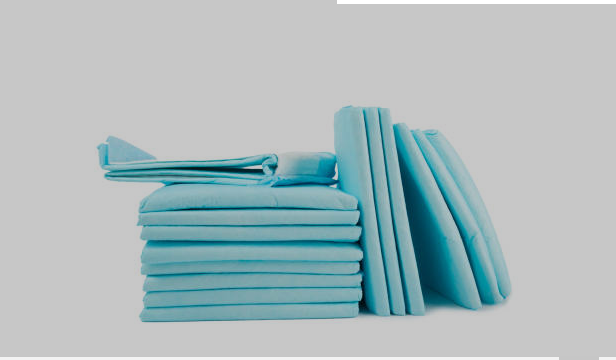
Disposable bedsheets provide a practical and effective solution to this challenge. These sheets are designed for single use, eliminating the need for repeated washing. This significantly reduces the risk of infection transfer between patients. Their use ensures a fresh and clean surface for every individual. This is especially important in high-traffic healthcare facilities.
Most disposable bedsheets are made from non-woven materials that resist fluid penetration. This prevents bodily fluids from spreading across surfaces. As a result, they help contain contaminants and protect both patients and staff. Their lightweight design also makes them easy to handle and replace. This improves efficiency during patient turnover.
Another important advantage is consistency in hygiene standards. Reusable linens depend on proper laundering processes, which can vary in effectiveness. Disposable options remove this uncertainty by offering a new sheet for each patient. This ensures that hygiene protocols are maintained without compromise. It also reduces the workload for healthcare staff.
What Challenges Do Healthcare Facilities Face in Maintaining Infection Control?
Maintaining infection control in healthcare settings involves multiple challenges. One of the main issues is the complexity of medical equipment. Devices with intricate designs, such as endoscopes, require careful cleaning and maintenance. If flexible endoscope parts are not handled correctly, they can become sources of contamination. This highlights the importance of proper training and strict protocols.
High patient volume is another significant challenge for healthcare facilities. Frequent patient turnover increases the demand for quick cleaning and preparation. In such situations, maintaining consistent hygiene standards can become difficult. Staff may face time pressure, which can lead to errors or missed steps. Efficient systems are needed to address this issue.
Reusable materials also present risks when not managed properly. Linens must go through thorough washing and disinfection processes. Any failure in these procedures can compromise cleanliness. This makes infection control more complex and resource-intensive. Disposable alternatives help reduce these risks.
Cost considerations can influence decision-making in healthcare management. While high-quality equipment and disposable products require investment, they offer long-term benefits. Preventing infections reduces treatment costs and improves patient outcomes. Facilities must balance initial expenses with long-term safety and efficiency. A strategic approach is necessary for effective infection control.
How Can Combining Flexible Endoscope Parts and Disposable Bedsheets Improve Safety?
A comprehensive approach to infection control involves using multiple protective measures. Combining flexible endoscope parts with disposable bedsheets creates a stronger defense against contamination. Each element addresses a different aspect of hygiene within the healthcare environment. Together, they provide a more complete solution.
Well-designed endoscope components reduce the risk of internal contamination during procedures. Their smooth surfaces and detachable features support effective cleaning. At the same time, disposable bedsheets maintain cleanliness on patient contact surfaces. This ensures that both equipment and surroundings meet high hygiene standards. The result is a safer environment for patients.
This combination also improves workflow efficiency in healthcare settings. Disposable products reduce the time required for cleaning and preparation. High-quality equipment minimizes maintenance issues and improves reliability. These benefits allow staff to focus more on patient care. Efficiency and safety work together to enhance overall performance.
Patient confidence is another important outcome of strong infection control practices. Clean and well-maintained environments create a sense of trust. Patients are more comfortable when they see visible efforts toward hygiene. This improves their overall experience and satisfaction. Healthcare providers benefit from a stronger reputation.
Conclusion:
Infection control remains a critical priority in modern healthcare systems. Every element, from medical equipment to patient surfaces, contributes to overall safety. Even small improvements can have a significant impact on reducing contamination risks. Healthcare providers must adopt reliable solutions to maintain high standards of hygiene.
Flexible endoscope parts and disposable bedsheets offer effective support in achieving these goals. Their combined use strengthens infection prevention strategies and improves patient care. By focusing on proper usage, quality, and consistency, healthcare facilities can create a safer environment. This approach ensures better outcomes and long-term trust in medical services.
Source: FG Newswire