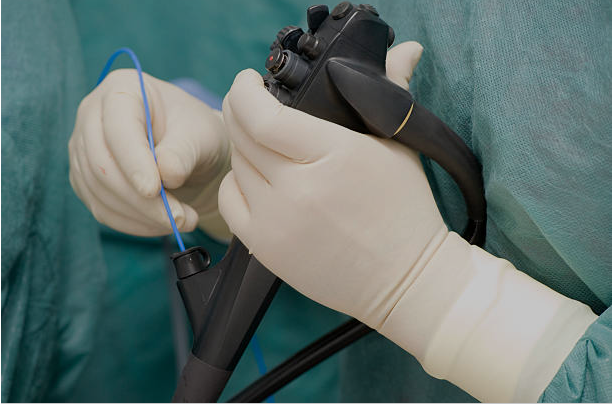
Modern medical technology is advancing rapidly, and endoscopic devices are at the forefront of this innovation. These tools let doctors explore internal organs with minimal intervention, yet their performance hinges on even the smallest components.
Behind the scenes, precision mold engineering ensures that every part meets exacting standards. Suppliers of endoscope parts and custom mold components play a crucial role in this process. But how exactly do these tiny, carefully crafted pieces impact device reliability and patient safety?
Exploring this hidden connection reveals why high-quality mold parts are vital for modern endoscopic systems.
Why Are Precision Mold Parts Essential for Manufacturing Endoscope Components?
Endoscopic devices contain many small and complex components. These parts must meet extremely strict quality standards. Precision mold parts play a central role in achieving this level of accuracy. Manufacturers rely on molds to create consistent shapes and dimensions for delicate medical device components.
High quality molds ensure that each produced part matches the required specifications. In medical applications, even slight deviations can affect device performance. Accurate mold engineering therefore helps maintain reliability across large production batches. Companies offering mold parts for sale often focus on precision machining to meet these demanding requirements.
The manufacturing process for endoscope components also requires careful material control. Mold parts must handle advanced polymers and medical grade materials. These materials must maintain structural stability during molding processes. Custom molds support the creation of lightweight yet durable components used in endoscopic systems.
How Do Custom Mold Parts Improve the Functionality of Endoscopic Devices?
The functionality of an endoscope depends on the interaction between multiple small components. These components must fit together precisely. Custom mold parts make it possible to manufacture complex shapes required for advanced medical devices.
Many endoscopic parts include channels, connectors, and protective housings. Each element requires careful design and precise dimensions. Custom molds allow engineers to produce these shapes accurately during mass production. Without specialized mold components, achieving such precision would become difficult.
Improved part accuracy directly enhances device functionality. Smooth internal channels support the movement of instruments and fluids during medical procedures. Properly molded housings protect sensitive optical and electronic elements. These improvements help medical professionals perform procedures safely and effectively.
Custom mold engineering also supports design innovation. Medical device developers often introduce new features in endoscopic tools. These features may require unique shapes or integrated structures. Custom molds allow manufacturers to adapt quickly to new product designs. This flexibility ensures that suppliers offering endoscope parts for sale can support evolving medical technologies.
What Role Do Mold Parts Suppliers Play in the Medical Device Industry?
Suppliers specializing in mold parts play an important role within the medical device manufacturing ecosystem. Their expertise supports the production of high precision components used in healthcare technology. Reliable suppliers provide critical tools that manufacturers depend on for consistent production quality.
Companies offering mold parts for sale often invest heavily in advanced machining technologies. These technologies include precision milling, grinding, and surface finishing processes. Each process contributes to the accuracy and durability of mold components used during manufacturing.
Collaboration between mold suppliers and device manufacturers also improves product development. Engineers often work closely with mold specialists to refine component designs. This partnership helps ensure that molds support both efficient production and high quality output.
By supporting efficient and precise manufacturing processes, mold suppliers indirectly contribute to the availability of reliable endoscope parts for sale. Their role highlights the importance of strong supply chain partnerships within the medical technology sector.
How Does Precision Manufacturing Enhance Safety and Reliability in Endoscopy?
Medical procedures demand equipment that performs consistently under challenging conditions. Endoscopic devices must operate smoothly while interacting with delicate internal tissues. Precision manufacturing helps ensure that every component functions as intended.
Mold parts contribute significantly to the accuracy of medical device production. Properly designed molds allow manufacturers to produce identical components across thousands of units. This consistency ensures that each endoscope performs similarly during clinical procedures.
Manufacturers providing endoscope parts for sale often emphasize strict quality control standards. These standards help guarantee that each component meets medical safety requirements. By combining advanced mold engineering with careful production processes, manufacturers support safer diagnostic and surgical procedures.
How Are Advanced Mold Technologies Shaping the Future of Endoscopic Devices?
The future of medical technology depends on continued innovation in both device design and manufacturing methods. Mold technology plays a vital role in supporting this progress. Advanced machining techniques allow engineers to create increasingly complex molds for medical applications.
Modern mold manufacturing now incorporates digital design tools and automated machining systems. These technologies improve precision and reduce production errors. Engineers can simulate mold performance before manufacturing begins. This capability helps optimize component design and production efficiency.
Material innovation also influences the development of endoscopic devices. New polymers and composite materials offer improved durability and flexibility. Custom molds enable manufacturers to shape these materials into precise medical components. This capability supports the development of lighter and more advanced endoscopic instruments.
Miniaturization represents another important trend within medical technology. Endoscopic tools continue to become smaller while maintaining high functionality. Producing such miniature components requires extremely precise mold engineering. Suppliers providing mold parts for sale help enable these advancements through specialized manufacturing expertise.
As medical procedures become less invasive, the demand for advanced endoscopic devices continues to grow. Precision mold technology will remain a key factor in supporting this development. Through innovation and collaboration, mold manufacturers help shape the future of modern healthcare equipment.
Conclusion:
Endoscopic devices are vital in modern medicine, offering internal visualization without major surgery. Their precision and reliability depend on carefully engineered components, with custom mold parts playing a crucial role in creating highly accurate shapes for delicate instruments. Suppliers of mold parts provide essential expertise, enabling manufacturers to meet strict quality and performance standards efficiently.
This collaboration ensures the availability of dependable endoscope parts worldwide. As medical technology advances, precision mold engineering remains central to innovation, safety, and reliability, supporting the production of high-quality devices that improve patient care and clinical outcomes.
Source: FG Newswire