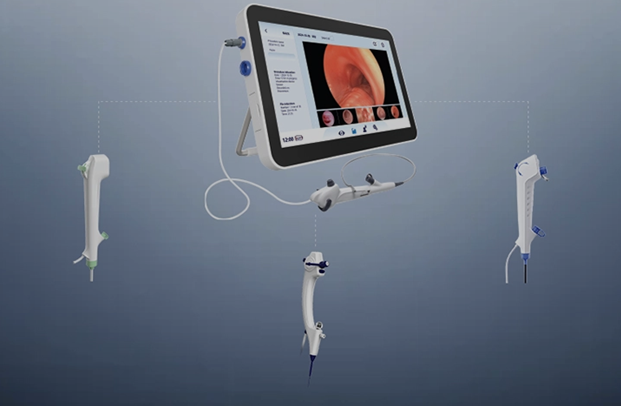
The medical field constantly evolves with technology, and endoscopy has become a critical tool for minimally invasive diagnostics and treatments. High-quality equipment is essential to ensure accurate imaging and patient safety.
Endoscope imaging solution suppliers provide advanced devices that capture detailed internal visuals, while endoscope replacement parts manufacturers ensure that every component functions reliably and maintains sterility.
Collaboration between these two entities is crucial for delivering dependable, high-performance endoscopy systems.
Let’s explore how their partnership enhances medical procedures, improves patient outcomes, and supports the growing demands of modern healthcare.
Why Endoscope Imaging Solutions Require Reliable Replacement Parts?
Endoscope imaging systems are intricate devices with multiple sensitive components. Cameras, light guides, bending sections, and optical fibers must function seamlessly to capture precise images. Any malfunction or wear in these components can compromise diagnostic accuracy and patient safety. Therefore, endoscope replacement parts manufacturers play an indispensable role in maintaining system reliability.
High-quality replacement parts ensure consistent performance and minimize downtime. Hospitals and clinics rely on parts that meet strict medical standards for durability, sterility, and compatibility with imaging systems. For example, bending section assemblies, insertion tubes, and distal optics must be engineered to precise specifications to prevent mechanical failure during procedures.
Moreover, replacement parts allow healthcare facilities to extend the life of expensive endoscope systems. Instead of replacing an entire device, clinics can update worn components, ensuring continuous service while controlling costs. This cost-effectiveness is particularly important for high-volume hospitals and specialized endoscopy centers.
How Imaging Solution Suppliers and Parts Manufacturers Collaborate?
The collaboration between endoscope imaging solution suppliers and replacement parts manufacturers is built on technical expertise, quality assurance, and regulatory compliance. Suppliers often provide manufacturers with detailed specifications, performance standards, and design requirements. This ensures that replacement parts integrate seamlessly with existing devices and maintain optimal imaging performance.
Manufacturers, in turn, use advanced materials, precision engineering, and rigorous testing to produce components that meet these standards. Regular communication between suppliers and manufacturers ensures that any design improvements, technological upgrades, or regulatory changes are implemented efficiently. This continuous collaboration reduces equipment failures and supports the delivery of accurate diagnostic imaging.
In addition, suppliers and manufacturers often work together to provide training and guidance to healthcare facilities. Proper installation, calibration, and maintenance of replacement parts are critical for preserving image quality and patient safety. By offering technical support and educational resources, these partners ensure that endoscopy teams can use equipment effectively and confidently.
How Advanced Endoscopy Benefits from This Partnership?
The ultimate goal of this collaboration is to improve patient outcomes. High-quality endoscope imaging solutions paired with reliable replacement parts allow physicians to perform minimally invasive procedures with confidence. Clear imaging facilitates accurate diagnosis, precise surgical intervention, and reduced procedure times.
For instance, in gastroenterology, detailed visualization of the gastrointestinal tract is essential for detecting polyps, ulcers, or tumors. Reliable components ensure that the endoscope’s optics, lighting, and maneuverability remain optimal throughout repeated procedures. This consistency helps clinicians identify abnormalities accurately, reducing the risk of misdiagnosis or complications.
Similarly, in bronchoscopy or laparoscopic surgery, dependable imaging and functional components allow surgeons to navigate delicate structures safely. Replacement parts that maintain device integrity ensure smooth operation, preventing interruptions during critical procedures. The collaboration between suppliers and manufacturers therefore directly impacts both efficiency and patient safety in clinical practice.
Why Quality Standards Are Critical in Both Supply Chains?
Healthcare equipment operates under strict regulatory and quality standards. Both endoscope imaging solution suppliers and endoscope replacement parts manufacturers must comply with international guidelines for medical devices, including ISO certifications and sterilization protocols. High-quality components reduce the risk of infection, mechanical failure, and imaging errors.
Suppliers rely on manufacturers to provide parts that meet these stringent standards consistently. For instance, sterilizable materials, durable polymers, and precision-engineered metal components are essential for safe reuse and long-term performance. Rigorous testing ensures that replacement parts function correctly under repeated sterilization cycles and high-stress usage.
This shared commitment to quality fosters trust between healthcare providers, imaging solution suppliers, and parts manufacturers. Hospitals can confidently invest in advanced endoscopy systems knowing that components meet the highest standards for safety, durability, and performance.
How Collaboration Supports Innovation in Endoscopy?
Beyond maintenance and reliability, the partnership between imaging solution suppliers and parts manufacturers drives innovation. Manufacturers can develop upgraded components that improve maneuverability, reduce friction, or enhance imaging clarity. Suppliers can then integrate these innovations into new endoscopy systems, offering advanced features to healthcare facilities.
For example, lightweight, flexible bending section assemblies improve navigation in narrow anatomical pathways. Enhanced lens coatings and fiber optic technologies provide brighter, clearer images with reduced distortion. By working closely together, suppliers and manufacturers accelerate technological advancement while ensuring compatibility and safety.
Collaboration also supports the development of specialized endoscopy solutions, such as AI-assisted imaging or multi-modal devices. Replacement parts designed for these advanced systems must meet higher performance demands, emphasizing the importance of coordination between the supply chain partners.
Why Healthcare Facilities Benefit from This Integrated Approach?
Hospitals, clinics, and surgical centers gain multiple advantages from the combined expertise of imaging solution suppliers and parts manufacturers. Continuous access to high-quality replacement components reduces downtime, minimizes repair costs, and ensures consistent imaging quality. Medical teams can focus on patient care rather than equipment troubleshooting.
Additionally, predictive maintenance strategies become possible. Suppliers and manufacturers can track component lifecycles, anticipate failures, and recommend proactive replacements. This approach increases operational efficiency, reduces procedure delays, and safeguards patient safety.
Healthcare facilities also benefit from guidance on best practices, installation, and calibration. The combined knowledge of suppliers and manufacturers ensures that endoscopy systems are used optimally, enhancing both diagnostic accuracy and procedural outcomes.
Conclusion:
The collaboration between endoscope imaging solution suppliers and endoscope replacement parts manufacturers is essential for advanced endoscopy. Reliable replacement components ensure that imaging systems remain precise, durable, and safe, while suppliers provide innovative devices that enhance diagnostic and surgical capabilities.
Together, these partners maintain quality, drive technological advancement, and support healthcare facilities in delivering accurate, minimally invasive procedures. By prioritizing precision, compliance, and innovation, the partnership strengthens patient safety, improves clinical outcomes, and elevates the standards of modern endoscopic care.
Source: FG Newswire