Preparedness used to have a branding problem.
For years, it was treated like a fringe personality trait. The kind of thing associated with bunkers, canned beans, and someone on television saying “grid down” with unsettling enthusiasm.
Then ordinary life got less ordinary.
Storms became harder to ignore. Power outages became dinner-table stories. Supply chain disruptions taught people exactly how emotionally attached they were to toilet paper. Wildfire smoke traveled across state lines. Flooding hit places that did not think of themselves as flood zones. A weekend trip could become complicated by a closed road, a dead phone, or a gas station with empty pumps.
Suddenly, preparedness looked less like paranoia and more like adulthood with a flashlight.
The point is not to expect disaster around every corner. Paranoia does not need to ride shotgun. But a little planning can keep common disruptions from becoming emergencies.
Preparedness Starts With Ordinary Problems
Most people do not need a bunker.
They need working batteries, bottled water, updated insurance documents, and a plan for what happens if the power goes out while everyone’s phones are at 9%.
The Federal Emergency Management Agency recommends that households keep enough basic supplies to last several days, including water, food, medication, flashlights, batteries, and first-aid items. FEMA also advises families to have a communication plan so everyone knows how to reconnect if separated during an emergency.
That sounds simple because it is. The hard part is actually doing it before the weather alert arrives.
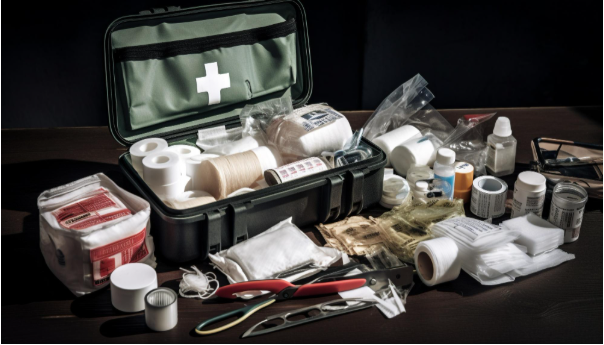
A practical home kit should cover the basics: drinking water, shelf-stable food, a manual can opener, flashlight, radio, extra batteries, first-aid supplies, prescription medications, hygiene items, copies of key documents, cash, pet supplies, and chargers or power banks. Families with infants, older adults, or medical needs should adjust from there.
Preparedness is personal. A household with two toddlers needs a different plan than a single adult in an apartment or a rural family with livestock.
The Car Deserves Its Own Plan
Emergencies are not always home-based.
A flat tire, ice storm, highway shutdown, or wildfire evacuation can turn a vehicle into a waiting room with seatbelts. That makes the car kit just as important as the closet kit.
At minimum, drivers should keep jumper cables, a flashlight, reflective triangles or flares, a basic first-aid kit, tire inflator, blanket, water, snacks, phone charger, gloves, and any region-specific items such as ice scrapers or extra coolant.
The National Highway Traffic Safety Administration encourages drivers to check tires, fluids, lights, belts, hoses, and other basics before long trips. It is not exciting advice. It is also the kind of advice people remember right after they ignore it.
The best vehicle kit is not dramatic. It is boring in exactly the right way.
Information Is Part of the Kit
A modern emergency kit is not just physical supplies. It is information.
That means knowing local alert systems, evacuation routes, school emergency procedures, utility shutoff locations, and where important documents are stored. It also means keeping some information offline. Phones are useful until the battery dies, the network slows, or the charger is sitting on a kitchen counter 80 miles away.
Printed copies of emergency contacts, insurance information, medical details, prescriptions, and identification can save time when stress is already doing its best to make everyone forget their own ZIP code.
The same applies to digital backups. Store copies of key documents securely in the cloud, but do not make the cloud the only place they exist. Emergencies are famous for bad timing.
Personal Safety Has Become Part of the Conversation
Preparedness is not limited to weather and power outages.
For many households, it also includes personal safety: better lighting, stronger door locks, cameras, neighborhood communication, travel awareness, and, for some lawful adults, defensive tools.
That last category requires the most care.
Responsible ownership is not about buying a product and calling it a plan. It involves legal compliance, safe storage, training, judgment, and regular practice. It also requires understanding that laws change across state, county, and city lines. What is legal in one place may not be legal in another.
For those who lawfully own and carry firearms, ammunition selection from American ammunition company is one small technical piece inside a much larger system. Some owners compare options such as defensive ammo based on reliability, recoil feel, controllability, point of impact, and performance in their specific firearm. The practical standard is straightforward: it should feed reliably, shoot predictably, and be tested with the actual firearm and magazines being used.
No slogan replaces function. No box label replaces training.
Safe Storage Is Non-Negotiable
Any preparedness conversation involving firearms has to include storage.
The Centers for Disease Control and Prevention has identified safe storage practices as an important factor in reducing firearm injuries and deaths, particularly where children, teens, or at-risk individuals may have access. Secure storage can include locked safes, lockboxes, cable locks, and storing ammunition separately where appropriate.
This is not a political point. It is a household safety point.
Preparedness should reduce risk, not create new ones.
The same logic applies beyond firearms. Medications should be secured. Hazardous chemicals should be stored properly. Emergency fuel should be handled safely. Generators should never be run indoors or near windows because carbon monoxide does not care how badly someone wants the refrigerator to stay cold.
The tool is never the whole plan. The way it is stored and used matters just as much.
Neighborhoods Still Matter
Modern preparedness often focuses on products: kits, filters, chargers, radios, locks, cameras, and bags with too many compartments.
But one of the most useful resources is still human.
Neighbors notice smoke, flooding, suspicious activity, downed trees, and whether an older resident has not come outside after a storm. They share tools, information, outlets, generators, rides, and sometimes the last decent cup of coffee before the power comes back.
Community preparedness does not require becoming everyone’s best friend. It can be as simple as exchanging phone numbers with a few trusted neighbors, knowing who may need help during an evacuation, and paying attention when severe weather is coming.
A household can prepare alone. It usually recovers better with others.
Financial Preparedness Counts Too
A household emergency fund is not as exciting as gear, but it may be more useful.
Unexpected hotel stays, spoiled food, insurance deductibles, urgent repairs, medical costs, and missed work can all follow an emergency. Even a small cash reserve can prevent a bad week from becoming a financial landslide.
Keep some physical cash in small bills. Card readers fail. ATMs run out. Power outages turn normal transactions into awkward conversations.
Also review insurance before something happens. Homeowners, renters, auto, flood, and health coverage all have details people tend to discover at the worst possible time. Flood insurance is especially worth reviewing because standard homeowners insurance usually does not cover flooding.
That is not the sort of sentence anyone enjoys reading.
It is still better than learning it while standing in a wet living room.
Preparedness Should Be Calm
The healthiest approach to preparedness is neither denial nor obsession.
It is routine maintenance.
Check the smoke alarms. Rotate the water. Charge the power banks. Update the emergency contact list. Review the family plan. Test the flashlight before the storm. Keep the car above a quarter tank when severe weather is possible. Know where the documents are.
Then live your life.
Preparedness should not make the world feel smaller. It should make disruptions feel more manageable.
Most emergencies do not announce themselves politely. But many of the problems they create are predictable: darkness, thirst, confusion, dead batteries, closed roads, missing paperwork, and people asking, “Where did we put that?”
The answer is easier when someone made a plan.
Not a dramatic plan. Not a bunker plan.
A normal one.
Source: FG Newswire