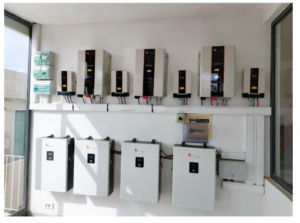
A Residential ESS (Residential Energy Storage System) is an energy solution designed for household use, enabling the storage, management, and optimized distribution of electricity. A typical residential ESS consists of battery modules, an inverter, a Battery Management System (BMS), and an Energy Management System (EMS). Together, these components allow households to store electricity and use it more efficiently across different operating conditions.
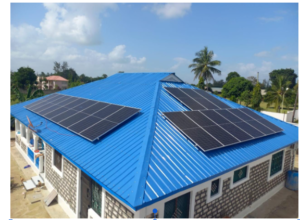
In most applications, a residential ess works in combination with rooftop solar PV systems and the public grid, providing multiple energy sources for the home. This integrated energy structure improves flexibility, enhances power security, and helps homeowners better manage energy costs. As distributed energy and smart home technologies continue to develop, residential ESS has become an increasingly important part of modern residential energy systems.
How Residential ESS Works
The core function of a residential ess is to optimize when and how electricity is used. During periods of low electricity prices or high solar generation, excess energy is stored in the battery system. When household demand increases or electricity prices rise, the stored energy is discharged to supply the home, reducing reliance on expensive grid power.
In the event of a grid outage or power interruption, the residential ess can automatically switch to backup power mode within a very short time, ensuring uninterrupted electricity for essential household loads. Through the EMS, homeowners can monitor energy production, storage levels, and consumption in real time, enabling more intelligent and efficient energy management.
Key Benefits of Installing a Residential ESS
1. Energy Independence
- Reduced Reliance on the Grid
With a residential ess, households can significantly increase their use of self-generated energy, especially when paired with a solar PV system. This reduces dependence on the utility grid and gives homeowners greater control over their energy supply, even during periods of grid instability or rising electricity prices. - Reliable Backup Power During Outages
During power outages caused by grid failures, maintenance, or natural disasters, a residential ess can provide reliable backup power for critical household loads such as lighting, refrigeration, internet equipment, and essential medical devices. Compared to traditional generators, energy storage systems are quieter, faster to respond, and more suitable for long-term residential use.
2. Cost Efficiency
- Peak Shaving and Time-of-Use Optimization
A residential ess allows homeowners to store electricity when rates are low and use it during peak pricing periods. This peak shaving capability is particularly valuable in regions with time-of-use or variable electricity tariffs, helping households reduce their average electricity costs. - Improved Long-Term Economic Performance
By optimizing energy consumption patterns and reducing reliance on high-cost grid electricity, a residential ess delivers long-term financial benefits. Over time, it helps stabilize household energy expenses and improves the overall economic performance of the home energy system.
3. Solar Optimization
- Higher Solar Self-Consumption
For homes equipped with solar PV systems, a residential ess stores excess solar energy generated during the day and makes it available for use at night or during low-production periods. This significantly increases the solar self-consumption rate and minimizes energy export or curtailment. - Support for Sustainable Energy Use
By maximizing the use of renewable energy, a residential ess reduces dependence on fossil-fuel-based electricity and lowers overall carbon emissions. This supports a more sustainable, low-carbon lifestyle and aligns with global clean energy goals.
4. System Reliability
- Improved Power Stability and Quality
A residential ess helps mitigate voltage fluctuations and power disturbances, improving overall power quality within the home. This enhanced stability protects sensitive electronics and household appliances, potentially extending their operational lifespan. - Scalable Design and Long-Term Value
Most residential ESS solutions feature modular designs that allow capacity expansion as household energy needs grow. They can also integrate with electric vehicle chargers, smart home systems, and advanced energy management platforms. Homes equipped with a residential ess are often viewed as more energy-efficient and future-ready, which can increase long-term property value.
Conclusion
Installing a residential ess delivers multiple benefits, including increased energy independence, lower electricity costs, improved utilization of renewable energy, and enhanced power reliability. By enabling smarter energy storage and management, a residential ESS allows homeowners to better control how and when electricity is used, reducing exposure to grid instability and rising energy prices. As residential energy demand continues to grow and energy systems evolve toward decentralization and sustainability, residential ESS is becoming an essential component of modern homes, offering both immediate practical value and long-term energy resilience.
Source: FG Newswire