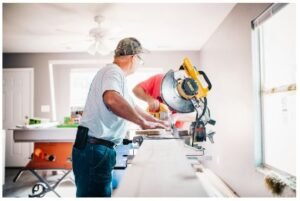
Home improvement often centers on design choices and resale value, yet the upgrades that truly matter are the ones that protect your structure. A home faces constant pressure from shifting soil, extreme heat, heavy rainfall, and sudden storms. Protective improvements reduce vulnerability and prevent minor weaknesses from turning into expensive repairs.
Severe weather patterns, fluctuating temperatures, and moisture exposure create ongoing strain for homeowners across Texas. That consistent environmental pressure makes structural resilience and system reliability essential rather than optional. A focused upgrade plan built around durability, moisture control, and foundational strength protects long-term value while reducing avoidable repair costs.
Roof Reinforcement and Storm Protection
A strong roof shields everything beneath it. Shingles, decking, flashing, and underlayment work together to block wind and water, yet each component wears down over time. High winds can loosen materials that already show minor aging. Heavy rain tests weak seams and flashing around vents or chimneys.
An upgrade begins with a professional inspection to assess the current condition and lifespan. Impact-resistant shingles or metal roofing rated for severe weather provide greater durability. Reinforced decking attachment improves wind resistance, while modern synthetic underlayment offers stronger water barriers than older felt products.
Moisture Control and Mold Prevention
Moisture problems often develop out of sight. A slow leak behind drywall or trapped attic condensation can linger for months, weakening wood and insulation. Elevated humidity creates the perfect environment for mold to grow and spread across porous surfaces. Over time, this affects both structural stability and indoor air quality.
Prevention starts with identifying entry points such as foundation cracks, worn window seals, roof leaks, and poor ventilation. Improving drainage and maintaining balanced humidity levels help limit buildup. Surface mold may seem manageable, yet deeper contamination requires professional care. If you’re looking to partner with a company that provides expert mold removal in Texas, choose one with certified professionals, clear inspection reports, and a solid track record of lasting results. Thorough remediation combined with moisture control helps prevent the problem from returning.
Foundation Stability and Drainage Improvements
Every system inside a home depends on a stable foundation. Expansive soil conditions can cause subtle shifts that lead to cracks, uneven floors, or doors that no longer close properly. Water pooling near the base of the home increases pressure against foundation walls and worsens soil movement.
Effective drainage solutions reduce that stress. Extending downspouts away from the structure and ensuring gutters remain clear prevents excess runoff from settling near the base. Adjusting grading so water flows away from the property further protects structural integrity. French drains offer an added layer of control in areas prone to heavy rainfall.
Electrical System Modernization
Electrical systems installed decades ago were not designed for modern appliance loads and technology demands. Overloaded panels and aging wiring increase fire risk and reduce efficiency. Flickering lights or frequently tripped breakers often signal deeper issues.
Upgrading to a modern electrical panel ensures capacity for current usage. Replacing outdated wiring lowers the chance of overheating. Whole-home surge protection guards sensitive electronics against voltage spikes during storms. Dedicated circuits for high-demand appliances improve safety and performance. Electrical modernization supports daily convenience while strengthening protection. Reliable wiring and updated safety components reduce hazards and align the home with current standards.
Impact-Resistant Windows and Reinforced Doors
Windows and doors represent common points of vulnerability during severe weather. Strong winds and airborne debris place significant pressure on glass and framing. Standard materials may crack or fail under intense impact.
Impact-rated windows use reinforced glass and durable framing designed to withstand storm conditions. Upgraded door frames and heavy-duty hardware improve resistance against forced entry and wind pressure. Proper sealing around edges reduces water intrusion and improves energy efficiency. Storm shutters offer additional protection in areas exposed to high winds. Reinforcing these entry points strengthens the building envelope and contributes to overall resilience.
Plumbing Upgrades and Leak Detection Systems
Plumbing failures often begin quietly. A small pinhole leak behind a wall or a slow drip beneath a sink can continue for weeks before visible damage appears. Over time, that moisture weakens framing, damages flooring, and creates conditions that invite mold growth.
Replacing aging pipes reduces the risk of corrosion and unexpected bursts. Older galvanized piping and worn connectors tend to fail under pressure changes or temperature shifts. Modern materials offer greater durability and improved flow consistency. Upgrading water heaters to newer models with automatic shut-off features adds another layer of protection against sudden leaks.
Fire Safety Enhancements
Fire safety measures protect both the structure and the people inside it. Heating systems, electrical components, and cooking appliances all present potential ignition sources. Small oversights can escalate quickly without proper safeguards in place.
Interconnected smoke and carbon monoxide detectors ensure that alerts are heard throughout the home. Regular testing and battery replacement keep these systems dependable. Fire-resistant insulation and materials in high-risk areas such as attics and near heating equipment add another layer of defense. Routine maintenance of fireplaces, chimneys, and HVAC systems reduces the buildup of flammable debris. Clearing dry vegetation and combustible materials away from the exterior also lowers fire exposure.
Security Systems and Exterior Lighting
Security plays a vital role in protecting property and maintaining peace of mind. Reinforcing entry points and improving visibility around the exterior discourages unwanted access and supports neighborhood safety.
Monitored alarm systems provide real-time alerts and emergency response coordination. Motion-activated lighting around doors, garages, and walkways eliminates dark areas that could otherwise invite intrusion. Reinforced garage doors and smart locking systems add strength to common entry points. Integrated camera systems with secure storage access allow homeowners to monitor activity remotely. Clear sightlines and consistent lighting also improve everyday safety when arriving home after dark.
Every protective upgrade serves a clear purpose. Roofing improvements guard against storms. Moisture control prevents hidden damage. Foundation stability supports structural integrity. Electrical modernization reduces fire hazards. Reinforced windows and doors strengthen the building envelope. Plumbing upgrades limit water damage. Fire safety enhancements reduce risk. Security systems provide continuous oversight.
Together, these improvements form a comprehensive shield. A proactive approach limits costly surprises and preserves long-term value. Thoughtful planning and timely action turn a vulnerable structure into a resilient home prepared for changing conditions.
Source: FG Newswire