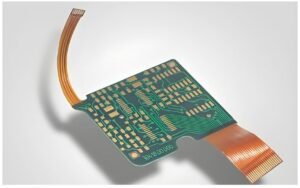
Printed circuit boards are the foundation of all modern electronic devices, providing mechanical support and electrical connections for components. Among the various types of PCBs available, the rigid PCB is the most commonly used due to its durability, stability, and versatility. Unlike flexible or rigid-flex boards, rigid PCBs are designed to remain solid and unbendable, making them ideal for applications where structural integrity and reliability are essential.
Understanding how rigid PCBs are designed, manufactured, and used can help engineers and businesses choose the right solution for their electronic products.
What Is a Rigid PCB?
A rigid PCB is a type of printed circuit board made from solid, non-flexible materials that cannot bend or twist. These boards maintain their shape under normal operating conditions, providing a stable platform for mounting electronic components.
Rigid PCBs are typically made using materials such as FR4 fiberglass, which offers a combination of strength, insulation, and heat resistance. They can be manufactured in single-sided, double-sided, or multilayer configurations, depending on the complexity of the circuit design.
Due to their strong and stable structure, rigid PCBs are widely used in applications where durability and long-term performance are required.
Structure of a Rigid PCB
The structure of a rigid PCB consists of several layers that work together to provide mechanical support and electrical connectivity. The base layer, known as the substrate, is usually made from fiberglass-reinforced epoxy resin.
On top of the substrate, one or more layers of copper are laminated. These copper layers are etched to form the circuit patterns that connect electronic components.
A solder mask is applied over the copper traces to protect them from oxidation and environmental damage. This layer also helps prevent short circuits during assembly.
A silkscreen layer is added to provide markings for component placement, labels, and other important information.
In multilayer rigid PCBs, multiple layers of copper and insulating material are stacked together and connected using vias. This allows for more complex circuit designs while maintaining a compact form factor.
Manufacturing Process of Rigid PCBs
The manufacturing of a rigid PCB involves several precise steps to ensure accuracy and reliability. The process begins with selecting the appropriate substrate material based on the application requirements.
Copper foil is laminated onto the substrate to create the base material. A photoresist layer is then applied, and the circuit design is transferred using photolithography.
The board undergoes chemical etching to remove unwanted copper, leaving behind the desired circuit pattern. Drilling is performed to create holes for vias and component mounting.
For multilayer boards, additional layers are stacked and bonded through a lamination process. The layers are carefully aligned to ensure proper connectivity.
After the circuit patterns are formed, a solder mask is applied to protect the copper traces. The silkscreen layer is then printed for labeling.
Finally, the board is tested and inspected to ensure it meets quality and performance standards.
Advantages of Rigid PCBs
One of the primary advantages of a rigid PCB is its mechanical strength. The solid structure provides excellent durability, making it resistant to physical stress and environmental factors.
Another benefit is reliability. Rigid PCBs maintain stable connections and consistent performance over time, which is essential for long-term use in electronic devices.
They also offer design flexibility in terms of layer count. Engineers can create simple single-layer boards or complex multilayer designs depending on the requirements.
Rigid PCBs are also cost-effective for many applications, especially when produced in large quantities. Their compatibility with standard manufacturing processes makes them widely accessible.
Additionally, they provide good electrical performance, supporting efficient signal transmission and stable operation.
Applications of Rigid PCBs
The versatility of rigid PCB technology makes it suitable for a wide range of applications across different industries. In consumer electronics, rigid PCBs are used in devices such as televisions, computers, smartphones, and home appliances.
In the automotive industry, these boards are used in control systems, sensors, and infotainment systems. Their durability ensures reliable performance in demanding environments.
Industrial equipment also relies on rigid PCBs for control panels, automation systems, and monitoring devices.
Medical devices such as diagnostic equipment and monitoring systems use rigid PCBs for their stability and precision.
Telecommunications equipment, including routers and networking devices, also depends on rigid PCBs for efficient signal processing.
Design Considerations for Rigid PCBs
Designing a rigid PCB requires careful planning to ensure optimal performance. Engineers must consider factors such as material selection, layer stack-up, and trace routing.
Proper component placement is important to ensure efficient signal flow and minimize interference. Designers must also consider thermal management, especially in high-power applications.
Trace width and spacing should be optimized based on current requirements and electrical characteristics.
For multilayer boards, the arrangement of layers must be carefully planned to reduce noise and maintain signal integrity.
Manufacturing constraints should also be taken into account to ensure that the design can be produced efficiently and reliably.
Limitations of Rigid PCBs
While rigid PCBs offer many advantages, they also have some limitations. One of the main drawbacks is their lack of flexibility. These boards cannot bend or adapt to compact or dynamic designs, which may limit their use in certain applications.
They may also be more susceptible to damage if subjected to extreme mechanical stress or vibration.
In applications requiring lightweight and flexible designs, flexible or rigid-flex PCBs may be more suitable.
Despite these limitations, rigid PCBs remain the most widely used type of circuit board due to their reliability and versatility.
Conclusion
The rigid PCB is a fundamental component in modern electronics, providing a strong, stable, and reliable platform for circuit design. Its durability, cost-effectiveness, and versatility make it suitable for a wide range of applications, from consumer electronics to industrial and automotive systems.
As technology continues to advance, rigid PCBs will remain a key part of electronic manufacturing. Businesses looking for high-quality and dependable circuit boards often collaborate with an experienced rigid PCB manufacturer to ensure consistent performance, precision, and long-term reliability in their products.
Source: FG Newswire