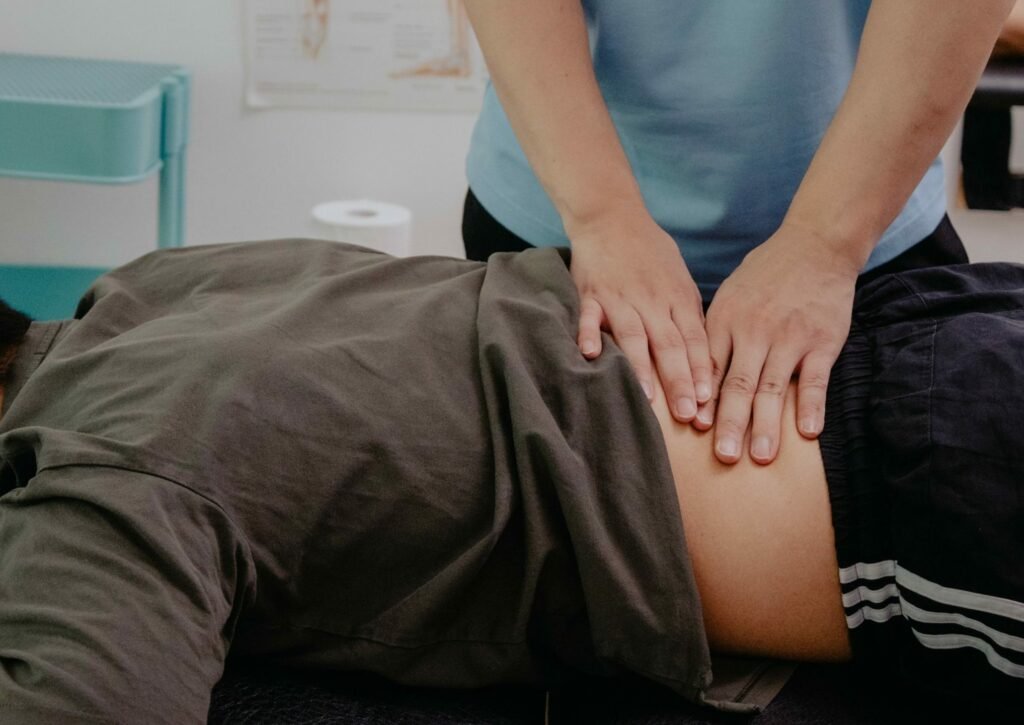
Lower back pain is a common problem that can affect sitting, walking, working, exercising, and sleeping. It may develop suddenly after lifting or twisting, or gradually because of muscle strain, reduced activity, age-related changes, or other conditions.
Physiotherapy is commonly used to manage many types of lower back pain. Treatment typically combines education, movement, targeted exercises, and gradual strengthening. The exact program should be based on the cause of pain, symptoms, mobility, physical abilities, and individual recovery goals.
What Causes Lower Back Pain?
Lower back pain can arise from muscles, ligaments, joints, discs, nerves, or other structures around the spine. In many cases, it is described as non-specific back pain because a single precise structural cause cannot be identified.
Common contributing factors may include:
- Muscle or ligament strain
- Prolonged inactivity
- Repetitive lifting or bending
- Herniated or irritated spinal discs
- Age-related spinal changes
- Sciatica or nerve irritation
- Reduced strength and mobility
- Previous back injuries
Less commonly, back pain can result from fractures, infections, inflammatory disorders, or other medical conditions that require specific treatment.
How Does Physiotherapy Help Lower Back Pain?
Physiotherapy aims to improve movement and function while helping people return safely to everyday activities. Rather than relying entirely on passive treatments, modern rehabilitation commonly emphasizes remaining appropriately active and gradually building strength and mobility.
A physiotherapist assesses how the person moves, which activities increase or reduce symptoms, muscle strength, flexibility, and functional limitations. Treatment can then be adapted according to these findings.
In Ahmedabad, individuals experiencing persistent or recurring lower back pain may consult a qualified physiotherapist in Ahmedabad to assess movement limitations, identify factors contributing to their symptoms, and develop an individualized exercise and rehabilitation program based on their condition and functional goals.
Physiotherapy Exercises for Lower Back Pain
Exercise is an important component of rehabilitation for many people with lower back pain. However, there is no single exercise program suitable for everyone. Exercises should be selected according to symptoms, mobility, fitness, and the underlying clinical assessment.
1. Pelvic Tilts
Pelvic tilts involve gently flattening and relaxing the lower back while lying with the knees bent. This controlled movement can help improve awareness and mobility around the lower back and pelvis.
Movements should remain comfortable and controlled. Stop and seek professional guidance if an exercise causes significant or worsening pain.
2. Knee-to-Chest Stretch
While lying on the back, one knee can be gently brought toward the chest while the other leg remains relaxed. The position is held briefly before switching sides.
This movement may provide a gentle stretch around the lower back and hip area. It may not be appropriate for every type of back problem, so exercises should be individualized when symptoms are persistent.
3. Bridge Exercise
Bridges help strengthen the gluteal muscles and muscles involved in trunk and pelvic control. Lie on your back with your knees bent, then gradually raise your hips while keeping the movement controlled.
Avoid excessive arching of the lower back. The number of repetitions should be based on comfort and physical ability rather than pushing through increasing pain.
4. Bird-Dog Exercise
The bird-dog exercise is commonly used to develop trunk stability and coordination. From a hands-and-knees position, one arm and the opposite leg are gradually extended while keeping the trunk controlled.
The exercise can be modified if balance or pain makes the standard version difficult. Correct technique is more important than extending the limbs as far as possible.
Other Physiotherapy Treatment Options
Exercise is usually central to rehabilitation, but a treatment plan may include additional strategies depending on symptoms and clinical findings.
Manual Therapy
Manual therapy includes hands-on techniques used to help improve joint movement or manage certain musculoskeletal symptoms. It may be used alongside an active exercise program rather than as the only treatment.
The specific technique and its suitability depend on the patient’s condition. Improvement in long-term function generally requires active participation in rehabilitation and appropriate daily movement.
Strengthening and Mobility Training
Weakness or reduced movement around the trunk, hips, and legs may affect everyday function. A rehabilitation program may therefore include progressive strengthening, mobility exercises, balance work, and functional movements.
As symptoms improve, exercises can gradually become more challenging to prepare the individual for activities such as walking, climbing stairs, lifting, work, or recreational exercise.
Posture and Everyday Movement
There is no single “perfect” posture that prevents all lower back pain. Remaining in one position for very long periods, however, can contribute to discomfort in some people.
Physiotherapy may include advice about changing positions regularly, adjusting workstations, lifting safely, and gradually increasing daily activity. People with desk-based jobs may benefit from taking regular movement breaks rather than trying to maintain one rigid sitting posture throughout the day.
How Long Does Physiotherapy Take to Work?
Recovery time varies considerably. Some episodes of uncomplicated lower back pain improve within days or weeks, while persistent or recurrent symptoms may require a longer rehabilitation program.
Factors influencing recovery include:
Progress should be measured through improvements in function and activity as well as changes in pain.
What Should You Avoid With Lower Back Pain?
Complete bed rest is generally not recommended for uncomplicated lower back pain. Staying gently active within tolerable limits is often more helpful, although activity may need temporary modification.
Avoid repeatedly performing movements that clearly worsen symptoms, lifting heavy loads without appropriate preparation, or suddenly returning to intense exercise. Exercises found online should also not automatically be assumed suitable for every back condition.
When Does Back Pain Need Medical Attention?
Most lower back pain is not caused by a dangerous condition, but certain symptoms require prompt medical assessment rather than routine exercise alone.
Seek urgent medical care for back pain accompanied by:
- New loss of bladder or bowel control
- Numbness around the genital or saddle area
- Significant or rapidly worsening leg weakness
- Severe pain after significant trauma
- Fever with severe back pain
Medical assessment may also be appropriate for persistent pain, unexplained weight loss, a history of cancer, or symptoms that continue to worsen despite appropriate care.
Conclusion
Physiotherapy can play an important role in managing many types of lower back pain through individualized exercise, progressive strengthening, mobility work, education, and guidance on everyday activities.
The most appropriate exercises depend on symptoms, physical abilities, and the underlying condition. Rather than relying on a standard routine, an individualized assessment can help identify suitable movements and establish a gradual plan for restoring function while reducing the risk of unnecessary aggravation.
Frequently Asked Questions
1. Is physiotherapy effective for lower back pain?
Physiotherapy can help many people with lower back pain by improving mobility, strength, confidence with movement, and everyday function. The most appropriate treatment depends on the cause, duration, severity, and individual characteristics of the symptoms.
2. Which exercise is best for lower back pain?
There is no single best exercise for everyone. Stretching, mobility, trunk-strengthening, and functional exercises may be helpful depending on the condition. Exercises should be selected according to symptoms, physical ability, and clinical assessment.
3. Should I exercise when my lower back hurts?
Gentle activity is often appropriate for uncomplicated back pain, while prolonged bed rest is generally discouraged. However, exercise should be modified if it significantly worsens symptoms, and new neurological symptoms require medical assessment.
4. How many physiotherapy sessions are needed for back pain?
The number of sessions varies according to symptom severity, duration, diagnosis, functional limitations, and response to treatment. Some people need short-term guidance, while persistent or complex back problems may require longer rehabilitation.
5. Can physiotherapy help with sciatica?
Physiotherapy may help some people with sciatica through appropriate movement, exercise, education, and gradual rehabilitation. Treatment depends on the cause and severity of nerve-related symptoms, and significant weakness or bladder changes require urgent medical assessment.
Source: FG Newswire