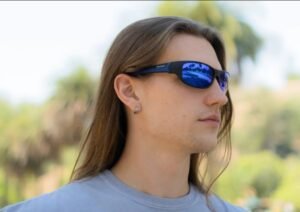
No single pair of sports eyewear works equally well for every activity. Cycling, basketball, skiing, running, and racquet sports all place different demands on your vision and protection. Choosing the right prescription sports glasses means looking beyond frame style and considering impact resistance, lens technology, fit, and the conditions you play in. Matching eyewear to your sport improves comfort, clarity, and safety.
Prescription Sports Glasses: Match Performance to Your Activity
Athletes often focus on prescription strength, but that is only one part of the decision. The best sports eyewear should stay secure during movement, provide a wide field of view, and hold up under the demands of your activity.
Before choosing a pair, ask yourself:
Quick Checklist
- Is your sport indoors or outdoors?
- Will you face bright sunlight or changing light?
- Does your activity involve speed or impact?
- Do you need protection from wind, dust, or debris?
- Will you wear the glasses for long periods?
These answers help narrow down the features that matter most.
Different Sports Require Different Eyewear
| Sport | Recommended Features | Why They Matter |
| Running | Lightweight frame, non-slip nose pads | Prevents movement during repetitive motion |
| Cycling | Wraparound lenses, ventilation | Protects against wind and road debris |
| Basketball | Impact-resistant lenses, secure fit | Improves safety during contact and quick movement |
| Racquet sports | Wide peripheral vision, durable lenses | Helps track fast-moving balls |
| Skiing | Anti-fog lenses, helmet compatibility | Maintains visibility in changing weather |
| Baseball | Lightweight frame, wraparound coverage | Protects from glare and airborne dust |
Matching eyewear to the sport improves both performance and long-term comfort.
Why Sport-Specific Design Matters
The forces acting on your eyewear vary from one activity to another.
A runner needs lightweight stability over distance, while a cyclist benefits from wind protection. Court sports place more emphasis on impact resistance and peripheral vision.
Sport-specific design also affects how quickly you can react. In fast-paced games, even a slight blur at the edge of your vision can make it harder to track a ball or judge distance. Good sports eyewear supports depth perception, keeps your line of sight clear, and reduces distractions so you can stay focused on the activity itself.
Rather than buying one pair for every activity, choose eyewear that supports the conditions you face most often.
Lens Features to Prioritise
Lens technology affects how well you see and how comfortable your glasses feel during activity.
Focus on features such as:
- Impact-resistant lenses
- Scratch-resistant coatings
- UV protection
- Anti-fog treatments
- Photochromic lens options
- Wide optical clarity
These features improve visibility while helping the eyewear perform consistently in different environments.
Outdoor Sports
Athletes training outdoors face changing light, weather, and environmental hazards.
Many choose prescription sports sunglasses because they reduce glare, improve visual comfort, and protect against ultraviolet exposure during long outdoor sessions.
Indoor Sports
Indoor activities often require maximum light transmission rather than tinted lenses.
Clear impact-resistant lenses help maintain accurate colour perception while protecting the eyes from accidental contact or fast-moving equipment.
Should You Choose Glasses or Goggles?
The answer depends on your sport.
When Glasses Make the Most Sense
These are generally ideal for:
- Running
- Cycling
- Golf
- Baseball
- Hiking
- Tennis
They provide strong ventilation, lightweight comfort, and a wide field of view.
When Goggles Are Better
Some activities benefit from extra coverage.
Prescription sports goggles are often better suited for:
- Basketball
- Squash
- Racquetball
- Skiing
- Snowboarding
Their enclosed design and secure fit improve protection during higher-impact activities.
Frame Fit Is Just as Important
Even the best prescription sports glasses cannot compensate for a poor fit.
Glasses that slide, bounce, or create pressure points become distracting during physical activity. A properly fitted frame keeps the prescription aligned with your eyes while maintaining comfort.
Look for:
- Rubber nose pads
- Flexible temple arms
- Lightweight materials
- Wraparound designs where appropriate
- Secure grip during movement
These features become especially valuable during longer training sessions.
Athlete’s Tip: Your sports glasses should stay stable during rapid movement without feeling too tight. If you keep adjusting them, the fit likely needs improvement.
Lens Tint Should Match Your Environment
Tint selection depends on where and when you play.
| Environment | Recommended Lens Type |
| Bright sunshine | Grey or brown tinted lenses |
| Mixed weather | Photochromic lenses |
| Overcast conditions | Amber or rose lenses |
| Indoor sports | Clear lenses |
| Variable outdoor lighting | Transition lenses |
Choosing the right tint improves contrast and reduces eye strain throughout your activity.
Common Buying Mistakes
Many athletes choose eyewear based on appearance instead of performance.
Avoid these common mistakes:
- Using everyday prescription glasses during sports
- Choosing frames that are too heavy
- Ignoring impact resistance
- Buying lenses that do not suit the environment
- Selecting loose-fitting frames
Correcting these issues often improves comfort and safety right away.
The same principles are explored in the best protective glasses for sports, where choosing eyewear based on sport-specific risks rather than appearance leads to more reliable protection.
Buying the Right Pair
When comparing Rx sports glasses, it helps to evaluate the full package rather than focusing on one feature.
Consider:
- Prescription accuracy
- Lens material
- Frame durability
- Ventilation
- Comfort during extended wear
- Protection suited to your sport
Athletes looking for reliable prescription eyewear often compare options from RX Safety Canada because the range includes sport-specific designs built to balance optical clarity, comfort, and protective performance.
It also helps to think about how often you play. A weekend golfer may prioritise glare control and comfort, while a competitive basketball player may need stronger impact protection and a more secure fit. The right choice depends on how much stress the eyewear will face and how much visual precision your sport demands.
Final Checklist Before Buying
Before making your decision, ask yourself:
- Does the frame suit my primary sport?
- Are the lenses impact resistant?
- Will the glasses stay secure during movement?
- Is the lens tint right for my environment?
- Will they remain comfortable during long sessions?
- Do they provide the protection my activity requires?
Answering these questions helps you choose eyewear that performs consistently rather than simply looking the part.
Conclusion
Choosing sports eyewear is about matching your equipment to the demands of your activity. Different sports expose your eyes to different challenges, from impact and debris to changing light and weather conditions.
Well-designed prescription sports glasses combine clear vision, dependable protection, and lasting comfort. Choosing eyewear built for your sport helps you perform with greater confidence and consistency.
Source: FG Newswire