The outside of a house takes a beating that most people never stop to think about. Sun, rain, wind, snow, and shifting temperatures all leave their mark over time. Many homeowners only notice the wear once something cracks, fades, or stops working the way it should. By that point, the damage has usually been quietly building for years.
Adding years to the life of these features does not require huge budgets or major overhauls. It comes down to small habits, regular attention, and a willingness to act before minor flaws turn into serious problems. With the right approach, every surface and structure outside the home can last far longer than expected.
The Garage: A High-Use Zone
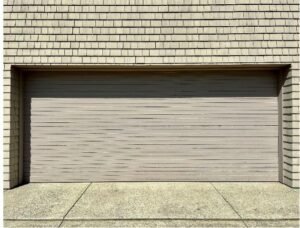
The garage sees more daily action than almost any other part of a house, with heavy panels lifting and lowering several times a day. That kind of repeated movement puts steady stress on tracks, springs, rollers, cables, and weather seals, which is exactly why this area cannot be treated like a set-it-and-forget-it feature.
Hiring professional garage door maintenance services once or twice a year is the best, most effective way to catch worn parts before they fail, keep the opener running smoothly, and protect the alignment that holds the whole system in balance. A trained technician will inspect the cables, lubricate the moving joints, test the balance, and confirm that the safety sensors respond the way they should.
Protecting Siding from the Elements
The outer skin of a home faces constant pressure from sunlight, temperature swings, and moisture in the air. Dirt and mildew settle into the surface and quietly speed up fading. A gentle wash once or twice a year removes most of what causes that wear. Soft cloths, mild soap, and a low-pressure hose work well on vinyl, fiber cement, and painted wood.
While cleaning, keep an eye out for soft spots, warped panels, or peeling paint. Catching one damaged section early means replacing a single panel instead of an entire wall later. Sealing any visible gaps around windows and trim also stops water from slipping in behind the surface.
Caring for the Roof Above
Roofs work silently for decades, which is exactly why they get ignored until a leak shows up indoors. A full climb is not always needed for an inspection. A solid pair of binoculars from the yard can reveal missing shingles, curled edges, lifted flashing, or moss in shaded areas. Each of those signs points to an issue that gets worse the longer it sits.
Clearing leaves and debris from the surface twice a year goes a long way. Branches that hang too close should be trimmed back to stop them from scraping during storms. Gutters deserve the same care, since clogged channels send water spilling into spots it was never meant to reach.
Driveways and Walkways
Concrete and asphalt look sturdy, yet both surfaces react quickly to water and temperature shifts. Tiny cracks expand every winter as moisture freezes inside them. By spring, what was once a hairline split can grow into a wide gap.
Filling cracks early with the right sealant stops that progression. Resealing an asphalt driveway every few years restores the protective layer that blocks oil, sun, and water from breaking down the material underneath. Concrete walkways benefit from a penetrating sealer that adds protection without changing the look. Sweeping debris off these paths also matters more than people assume, since trapped grit holds moisture against the surface.
Fences, Decks, and Wooden Structures
Wood brings warmth and character to a property, but it asks for steady care in return. Sun bleaches the color out, rain swells the boards, and insects search for any soft section that has gone unsealed. Staining or sealing every two to three years keeps moisture out and slows fading.
Before applying anything fresh, clean the surface thoroughly. Loose splinters, mildew, and flaking finish need to come off so the new coat can bond properly. Replace any boards that feel spongy or show deep rot, since one weak board often leads to others nearby. Tightening loose screws and bolts during each inspection keeps the whole structure stable.
Windows and Exterior Doors
The seals around windows and outer doorways carry a huge amount of responsibility. They block drafts, keep rain out, and play a major role in indoor comfort and energy use. Yet caulking shrinks and weatherstripping flattens over time. Running a hand along the edges on a windy day will quickly reveal where air is sneaking through.
Re-caulking trouble spots is straightforward and inexpensive. Swapping out worn weatherstripping takes minutes and immediately improves how the home feels inside. Cleaning the tracks of sliding windows and patio doors also stops the rollers from grinding themselves down.
Landscaping Around the Foundation
Plants and soil close to the base of a home directly shape how long the structure lasts. Soil that slopes toward the walls funnels water into the foundation. Shrubs planted too close trap moisture against the siding and invite pests. A clear, well-graded perimeter helps water flow away rather than soak in.
Mulch is helpful, but it should sit a few inches away from the siding rather than pressed against it. Roots from large trees deserve attention too, since they can push against foundations, pipes, and walkways as they grow over the years.
Building a Seasonal Rhythm
The biggest favor any homeowner can do is build a simple seasonal routine. Spring is for inspections after winter damage. Summer is the easiest time for cleaning and sealing. Fall is for clearing gutters, trimming branches, and getting ready for cold weather. Winter is for watching how the home behaves under stress and noting anything that needs follow-up once temperatures climb again.
Sticking to that rhythm turns exterior care into a series of small, manageable tasks rather than one overwhelming project. Homes treated this way age slowly, gracefully, and with far fewer unpleasant surprises along the way.
Source: FG Newswire