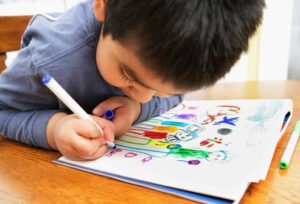
As children grow, they gradually learn to move, play, write, dress themselves, and participate in everyday activities. These abilities develop through two important areas of physical development: fine motor skills and gross motor skills. Both are essential for a child’s independence, learning, confidence, and overall development.
Although these skills develop naturally over time, some children may need additional support to strengthen them. Understanding the difference between fine and gross motor skills helps parents recognize developmental milestones and identify when professional guidance may be beneficial.
What Are Fine Motor Skills?
Fine motor skills involve the small muscles of the hands, fingers, wrists, and eyes working together to perform precise movements. These skills are essential for tasks that require accuracy and coordination.
Children gradually refine these movements through daily activities and play.
Examples of Fine Motor Skills
Fine motor activities include:
- Holding a pencil
- Writing and drawing
- Buttoning clothes
- Using scissors
- Picking up small objects
- Turning book pages
These skills support academic learning and everyday independence.
Why Fine Motor Skills Matter
Strong fine motor abilities help children participate confidently in classroom activities, self-care routines, creative play, and other daily tasks that require precision and control.
What Are Gross Motor Skills?
Gross motor skills involve the larger muscles of the arms, legs, back, and torso. These muscles help children move their bodies, maintain balance, and perform physical activities.
Gross motor development begins early in infancy and continues throughout childhood.
Examples of Gross Motor Skills
Gross motor activities include:
- Crawling
- Walking
- Running
- Jumping
- Climbing
- Throwing and catching a ball
These movements build strength, coordination, and balance.
Importance of Gross Motor Development
Gross motor skills allow children to participate in sports, playground activities, physical education, and everyday movement while supporting healthy physical development.
Fine Motor Skills vs Gross Motor Skills: Key Differences
Although both skill types involve movement, they differ in the muscles used and the activities they support.
Understanding these differences helps parents monitor their child’s overall development.
Comparison at a Glance
Fine Motor Skills
- Use small muscles
- Require precision
- Support writing and self-care
- Develop hand-eye coordination
Gross Motor Skills
- Use large muscle groups
- Support balance and movement
- Improve physical strength
- Enable running, jumping, and climbing
Both skill areas work together during many everyday activities.
Why Both Are Equally Important
Children rely on a combination of fine and gross motor abilities to participate successfully at home, school, and during recreational activities.
Developmental Milestones to Watch
Children reach developmental milestones at different ages, but there are general expectations for motor development throughout childhood.
Monitoring progress helps identify possible delays.
Fine Motor Milestones
Children gradually learn to:
- Grasp toys
- Stack blocks
- Scribble
- Use utensils
- Draw simple shapes
- Write letters
Progress occurs gradually with practice and experience.
Gross Motor Milestones
Children commonly learn to:
- Roll over
- Sit independently
- Walk
- Run
- Hop
- Ride a bicycle
Developmental timing varies between children.
Signs Your Child May Need Extra Support
Some variation in development is normal. However, persistent difficulty performing age-appropriate activities may indicate the need for professional assessment.
Early evaluation helps identify areas requiring additional support.
Possible Warning Signs
Parents may notice:
- Difficulty holding crayons
- Trouble using scissors
- Frequent falls
- Poor balance
- Delayed walking
- Difficulty climbing stairs
These concerns should be discussed with a healthcare professional.
Many parents seeking developmental support services consider experience, child-centered therapy, and individualized treatment plans before selecting a trusted occupational therapist in Chennai for motor skill assessment and intervention.
Why Early Assessment Is Helpful
Identifying challenges early allows therapists to develop personalized activities that strengthen motor skills while supporting confidence and independence.
How Occupational Therapy Supports Motor Development
Occupational therapy helps children improve the physical skills needed for everyday activities at home, school, and in the community.
Therapy programs are designed according to each child’s individual strengths and developmental needs.
Occupational Therapy Activities
Therapists may use:
- Hand strengthening exercises
- Balance activities
- Coordination games
- Play-based learning
- Fine motor exercises
- Sensory activities
Sessions are designed to be engaging and age-appropriate.
Individualized Treatment Plans
Every child develops differently. Therapy focuses on improving specific skills that support independence, participation, and confidence.
Activities That Strengthen Motor Skills at Home
Parents play an important role in encouraging motor development through everyday play and family activities.
Simple home-based activities can complement professional therapy.
Fine Motor Activities
Children can practice:
- Coloring
- Building blocks
- Threading beads
- Play dough
- Puzzle games
- Paper folding
These activities strengthen hand muscles and coordination.
Gross Motor Activities
Encourage:
- Running
- Jumping
- Dancing
- Ball games
- Obstacle courses
- Outdoor playground play
Regular physical activity supports healthy movement development.
When Should Parents Seek Professional Advice?
Although every child develops differently, persistent delays or concerns deserve professional evaluation.
Early intervention usually provides better opportunities for improvement.
Consult a Professional If Your Child
- Misses important developmental milestones
- Struggles with self-care activities
- Frequently falls
- Has poor coordination
- Avoids physical activities
- Shows difficulty using both hands together
Early assessment provides valuable guidance for families.
Supporting Lifelong Development
Timely intervention helps children build skills that contribute to academic success, social participation, independence, and overall quality of life.
Conclusion
Fine motor skills and gross motor skills are equally important aspects of a child’s physical development. Fine motor skills support precision tasks such as writing and dressing, while gross motor skills enable movement, balance, and physical activity. Both contribute to learning, confidence, independence, and participation in everyday life.
Parents who understand developmental milestones and recognize early warning signs should seek timely support when needed. With appropriate guidance, engaging activities, and individualized therapy when necessary, children can continue developing the motor skills they need to thrive.
Frequently Asked Questions
1. What is the difference between fine and gross motor skills?
Fine motor skills involve small hand and finger movements used for precise tasks, while gross motor skills involve larger muscle groups responsible for walking, running, jumping, and maintaining balance.
2. Why are motor skills important for children?
Motor skills support independence, learning, classroom participation, sports, self-care activities, social interaction, and overall physical development throughout childhood.
3. What are signs of delayed motor development?
Difficulty holding objects, poor balance, delayed walking, trouble climbing stairs, frequent falls, or challenges with writing and self-care activities may indicate developmental concerns.
4. How can parents improve motor skills at home?
Parents can encourage drawing, puzzles, building blocks, outdoor play, ball games, climbing activities, dancing, and other age-appropriate physical activities that strengthen coordination and muscle control.
5. When should a child see an occupational therapist?
Children who experience persistent delays in fine or gross motor development, difficulty performing everyday tasks, or coordination problems should be evaluated by an occupational therapist for individualized support.
Source: FG Newswire