The global market for 3D printed shoes is growing rapidly and is no longer a niche experiment. 3D printed shoes are actually available on retail shelves. And more consumers are beginning to view them as a practical alternative to traditional footwear. Nevertheless, many people still ask, Are 3D printed shoes really worth it, or is it just a technology demonstration? That’s what we’ll cover in this article. We’ll see how the 3D printed shoes perform in everyday use, where they excel, and whether they live up to the hype.
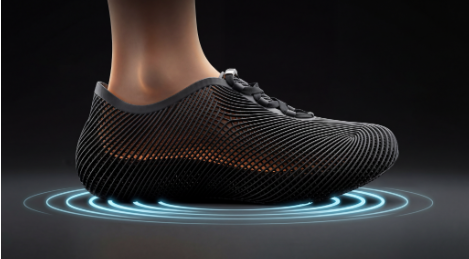
What are 3D Printed Shoes?
3D printed shoes are shoes that are made fully or partially by a 3D printer. With their open lattice structure, they look noticeably different from traditional sneakers. They don’t have a traditional solid foam midsole or stitched fabric upper. Their lattice structure allows heat and moisture to get out more easily. Different technologies, such as FDM, SLS, SLA, and HALS, are used for 3D printing shoes. Each method affects such factors as printing speed, surface finish, and material performance.
The performance is also affected by the material used in 3D printed shoes. Some commonly used ones are:
- TPU: Most popular, as it is light and flexible
- Nylon (PA12): Stiffer and more durable than TPU.
- Resin: Better for high-precision prints, it gives a smoother finish.
- Polyurethane-urea: A newer material used by Nexbie offers better tear resistance and flex life than most standard shoe materials.
Pros of 3D Printed Shoes
Here are the advantages of 3D printed sneakers:
Breathability: The lattice allows air to flow through the shoe, helping to keep feet cooler and drier for longer.
No glued joints: Ordinary shoes tend to split at the joint of the sole to the upper. A printed one-piece shoe does not have that weak spot.
Fewer chemicals: 3D printed shoes do not contain adhesives, PFAS coatings, or toxic dyes.
Faster production: Some methods print an entire shoe in one pass instead of building it layer by layer, cutting both print time and cost.
Print on demand. Shoes can be made closer to actual demand instead of being mass-produced ahead of time, which cuts down on waste.
Cons of 3D Printed Shoes
Downsides of 3D printed shoes include:
Price: 3D printed shoes cost more than traditional shoes.
Limited Styles: Most choices are sporty or minimal. Boots and dress shoes aren’t really in yet.
TPU durability varies: Cheap, unreinforced TPU shoes tend to wear out faster than the marketing hype.
Nexbie 3D Printed Shoes
Nexbie is one of the few brands that is dedicated to improving the materials and manufacturing that go into 3D printed footwear. Instead of relying on conventional layer-by-layer printing, Nexbie uses HALS (High Area Rapid Lithography) low-release separation technology, which forms the entire shoe at once using a dynamic light field. This results in a smoother surface and less visible layer lines and can bring production time down to around two hours per pair, including post-processing.
The shoes are made of polyurethane-urea, not the usual TPU. This material offers better tear resistance, extended flex life, and improved durability for repeated daily use. Independent testing showed a tear strength of approximately 20 N/mm compared to 12-18 N/mm for many traditional footwear materials. Each pair is chemically qualified before it ships, ensuring material safety and consistency.
Aeroraise 3D Printed Sneakers
Aeroraise is designed for people who spend long hours on their feet. The open lattice design allows for continuous airflow, while the supportive construction reduces foot fatigue without adding extra weight.
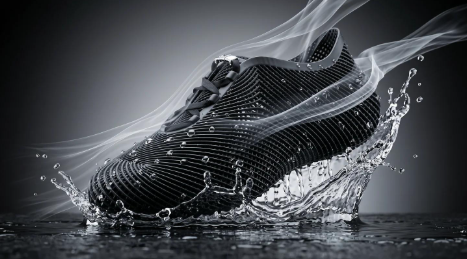
(Alt text: Aeroraise 3D printed sneakers)
Main features:
- 3D lattice arch support
- Waterproof yet breathable construction
- Elastic cushioning
- Odor-Resistant Construction
- Perfect for walking, hiking, gym workouts, and casual wear
Aeriscape 3D Printed Sneakers
Aeriscape is built with everyday comfort in mind. The lightweight slip-on design makes it easy to wear, while the flexible lattice compresses and rebounds with every step for soft cushioning all day long. The quick-drying structure also makes it practical for everyday commuting and long wear.
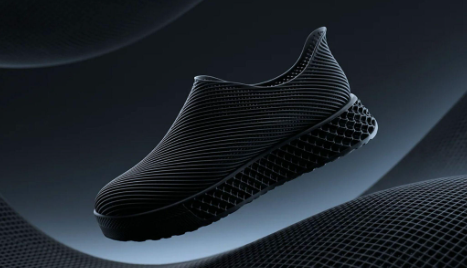
(Alt text: Aeriscape 3D Printed Sneakers)
Main features:
- Lightweight, slip-on design
- 360° breathable airflow
- Fast-drying
- Good for walking, commuting, and long periods on your feet
So, Are They Worth It?
For most people, yes. If your feet sweat or your shoes keep falling apart at the seams, 3D printed shoes actually fix those problems instead of masking them. If you care mainly about price or need a specific dress style, the category still has gaps.
Conclusion
3D printed shoes are out of the demo phase. The lattice design of 3D printed shoes solves real problems: breathability, durability, and toxic chemicals that have been used in regular shoes for years. Price and style options are still behind, but brands that use tested materials and faster printing are making this something people actually wear rather than just look at.
Source: FG Newswire