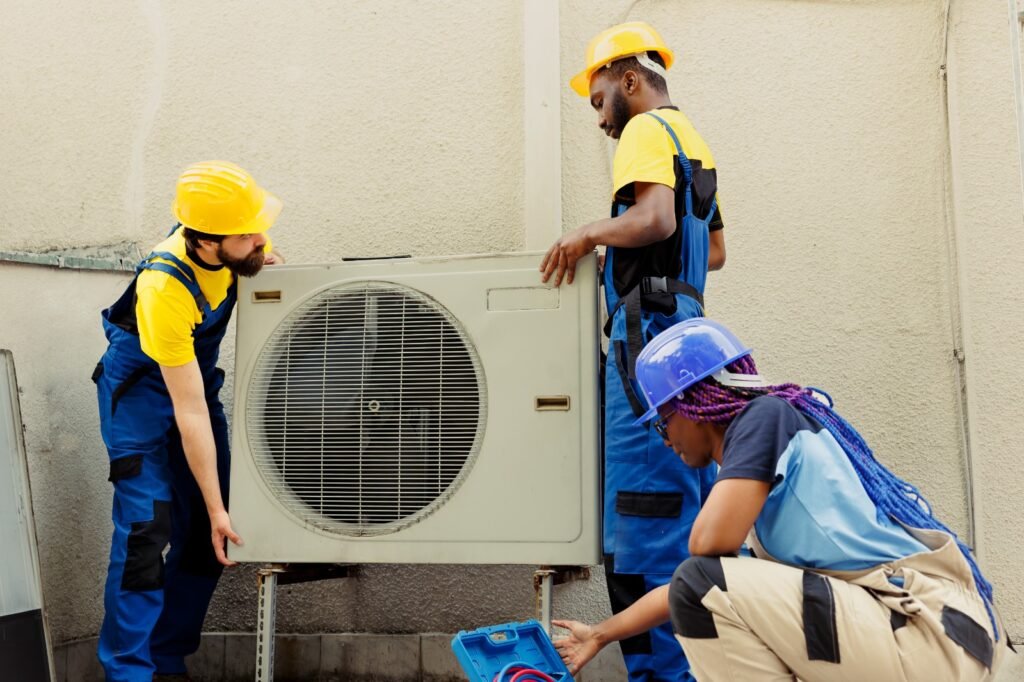
An aging HVAC system often appears to function adequately, but behind the scenes, it steadily increases operational costs. Older units typically lose efficiency over time due to wear and tear, outdated technology, and reduced performance capacity. As energy consumption rises, monthly utility bills follow the same pattern, creating a long-term financial burden.
We recognize that many homeowners delay upgrading their HVAC systems to avoid upfront expenses. However, this approach often results in higher cumulative costs. Frequent repairs, inconsistent temperature control, and excessive energy usage all contribute to unnecessary spending that could otherwise be avoided with a modern system.
How Modern HVAC Systems Improve Energy Efficiency
Today’s HVAC systems are engineered with advanced energy-efficient technologies designed to reduce power consumption without compromising comfort. Features such as variable-speed motors, smart thermostats, and improved heat exchange systems allow these units to operate more precisely and efficiently.
When homeowners explore options like HVAC Replacement Port Aransas, they often discover significant improvements in Seasonal Energy Efficiency Ratio (SEER) ratings. Higher SEER ratings translate directly into lower energy usage. Over time, these savings can offset the initial investment, making a new system a financially sound decision.
Lower Monthly Utility Bills Through Optimized Performance
A new HVAC system operates at peak efficiency, ensuring that energy is not wasted. Unlike older systems that cycle on and off frequently, modern units maintain consistent indoor temperatures with minimal energy use.
We find that households upgrading to new HVAC systems can reduce their energy bills by a noticeable margin. This reduction becomes more evident during extreme weather conditions when heating and cooling demands are at their highest. Efficient systems handle these demands with less strain, resulting in lower electricity consumption and reduced costs.
Reduced Repair and Maintenance Expenses
One of the hidden costs of an outdated HVAC system is the frequency of repairs. Components such as compressors, fans, and coils deteriorate over time, leading to breakdowns that require professional attention.
By investing in a new system, homeowners significantly reduce the need for ongoing repairs. Modern units are built with durable materials and advanced diagnostics that help identify issues early, preventing costly damage. Regular maintenance becomes simpler and less expensive, further contributing to long-term savings.
Improved Indoor Air Quality and Health Benefits
Financial savings are not limited to energy and maintenance costs. A new HVAC system also enhances indoor air quality, which can have indirect economic benefits. Cleaner air reduces the risk of allergies, respiratory issues, and other health-related concerns.
Modern systems include advanced filtration and ventilation features that remove dust, allergens, and pollutants more effectively. This improvement can lead to fewer medical expenses and a healthier living environment, making it a valuable investment beyond just financial returns.
Smart Technology Integration for Better Control
New HVAC systems often come equipped with smart technology that allows homeowners to monitor and control their indoor climate remotely. Smart thermostats learn user preferences and adjust settings automatically to optimize energy use.
We emphasize that this level of control eliminates unnecessary energy consumption. For example, the system can reduce cooling or heating when the home is unoccupied and restore comfort levels before residents return. This automation ensures that energy is used only when needed, leading to additional cost savings.
Increased Property Value and Market Appeal
Upgrading to a modern HVAC system can also enhance property value. Potential buyers view energy-efficient systems as a major advantage, as they reduce future expenses and improve comfort.
Homes with updated HVAC systems often sell faster and at higher prices compared to those with outdated equipment. This added value makes the investment even more worthwhile, particularly for homeowners considering selling their property in the future.
Environmental Benefits That Translate into Savings
Energy-efficient HVAC systems not only reduce utility bills but also minimize environmental impact. Lower energy consumption means reduced greenhouse gas emissions, contributing to a more sustainable future.
Many regions offer incentives, rebates, or tax benefits for installing energy-efficient systems. These financial incentives further reduce the overall cost of upgrading, making it an even more attractive option for homeowners.
Choosing the Right HVAC Partner
Selecting a reliable service provider is essential for maximizing the benefits of a new HVAC system. A trusted company ensures proper installation, which directly affects system performance and efficiency.
We recommend considering experienced professionals who specialize in delivering high-quality HVAC solutions. Their expertise helps ensure that the system is correctly sized, installed, and optimized for long-term performance.
Long-Term Financial Perspective
While the initial cost of a new HVAC system may seem significant, it is important to evaluate the long-term financial impact. Lower energy bills, reduced repair costs, improved efficiency, and increased property value all contribute to substantial savings over time.
We consistently observe that homeowners who invest in modern HVAC systems experience a strong return on investment. The combination of immediate and long-term benefits makes it a strategic decision rather than an expense.
Conclusion
A new HVAC system represents more than just an upgrade in comfort—it is a practical solution for reducing overall household expenses. From improved energy efficiency to lower maintenance costs and enhanced indoor air quality, the advantages are both immediate and long-lasting.
We believe that making the transition to a modern HVAC system is a financially responsible choice that delivers consistent value. By prioritizing efficiency, reliability, and advanced technology, homeowners can achieve significant savings while enjoying a more comfortable living environment.
Source: FG Newswire