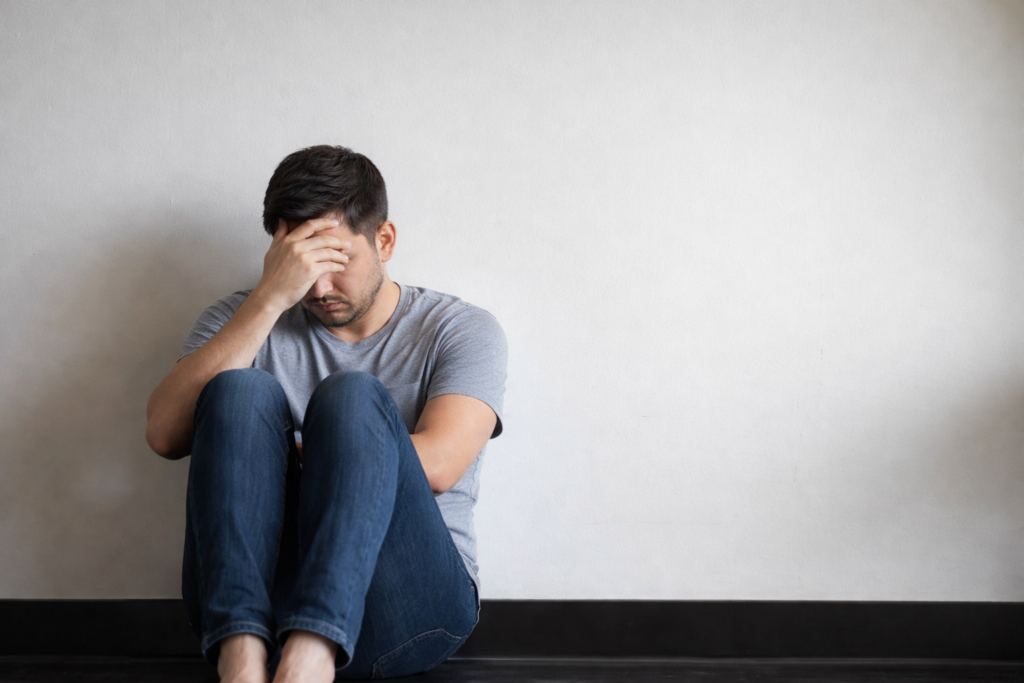
Anxiety is no longer an occasional experience tied only to major life events. For many people today, it has become a subtle but constant presence in daily life. Tight deadlines, financial pressures, digital overload, social comparison, and an always-connected lifestyle have reshaped how the nervous system operates.
While short-term anxiety can be protective and motivating, ongoing anxiety gradually impacts mental clarity, emotional stability, sleep quality, and even physical health. The challenge is that many individuals normalize their symptoms and do not recognize how deeply stress and anxiety are influencing their overall well-being.
Understanding why anxiety is increasing – and how to manage it naturally – is essential for building long-term resilience.
What Is Anxiety, Really?
Anxiety is the body’s anticipation of a perceived threat. It activates the sympathetic nervous system – commonly known as the “fight or flight” response. This triggers the release of stress hormones like cortisol and adrenaline.
In short bursts, this response is helpful. It sharpens awareness and prepares the body to react. However, when the nervous system stays in this heightened state for extended periods, it becomes difficult to relax, sleep deeply, or feel mentally clear.
Over time, chronic anxiety can lead to:
- Persistent restlessness
- Difficulty concentrating
- Irritability
- Muscle tension
- Digestive discomfort
- Fatigue despite adequate rest
These symptoms often overlap with general lifestyle burnout, making anxiety harder to identify.
Why Anxiety Is More Common in Modern Life
Several factors contribute to the rise in anxiety today:
1. Constant Digital Stimulation
The human brain was not designed for continuous notifications, emails, and social media exposure. Constant stimulation keeps the nervous system activated.
2. Reduced Physical Movement
Physical activity helps metabolize stress hormones. Sedentary routines allow those hormones to linger longer.
3. Sleep Disruption
Late-night screen use interferes with melatonin production, reducing deep sleep – which is crucial for emotional regulation.
4. Social Comparison
Online environments often create unrealistic benchmarks, increasing internal pressure and self-doubt.
5. Blurred Work-Life Boundaries
Remote work and digital access make it harder to mentally “switch off.”
These lifestyle shifts collectively make it difficult for the nervous system to return to a calm baseline.
The Nervous System and Recovery
The body has two main nervous system states:
- Sympathetic (alert mode)
- Parasympathetic (rest and recover mode)
Anxiety keeps the body predominantly in alert mode. True recovery only happens when the parasympathetic system activates.
Unfortunately, many people unknowingly live in a near-constant state of low-level alertness, which affects digestion, sleep, mood, and immune balance.
Physical Symptoms Often Overlooked
Anxiety is not purely emotional. It frequently presents physically:
- Shallow breathing
- Chest tightness
- Frequent headaches
- Jaw clenching
- Neck and shoulder tension
- Bloating or irregular digestion
- Brain fog
When these symptoms persist, individuals may treat them separately without addressing the underlying nervous system imbalance.
Natural Strategies to Support Anxiety Management
Building resilience doesn’t require dramatic life changes. Small, consistent adjustments often produce meaningful improvements.
1. Breath Regulation
Slow, controlled breathing activates the parasympathetic nervous system and reduces stress hormone output.
2. Consistent Sleep Patterns
Maintaining regular sleep cycles stabilizes mood-regulating neurotransmitters.
3. Daily Physical Activity
Movement helps process stress hormones and improves emotional regulation.
4. Limiting Evening Screen Exposure
Reducing digital stimulation before bedtime improves recovery quality.
5. Supporting Internal Balance
Some individuals explore plant-based wellness options as complementary support within a broader lifestyle strategy.
In recent years, awareness around CBD oil India has grown among wellness-focused individuals seeking non-intoxicating options to support relaxation and stress resilience as part of a balanced routine.
It’s important to approach such options responsibly and view them as supportive tools rather than standalone solutions.
Anxiety and Sleep: A Two-Way Relationship
Anxiety disrupts sleep. Poor sleep increases anxiety. This creates a cycle that can be difficult to break.
During deep sleep, the brain processes emotional experiences and regulates stress hormones. When deep sleep is reduced:
- Emotional reactivity increases
- Focus declines
- Mood stability weakens
- Recovery slows
Prioritizing sleep is one of the most powerful steps in managing anxiety naturally.
The Importance of Emotional Awareness
Emotional resilience improves when individuals develop awareness of their internal state. Practices such as journaling, mindfulness, and structured reflection help identify triggers and patterns.
Instead of suppressing anxiety, acknowledging it often reduces its intensity.
People researching natural stress-management strategies and looking to Buy CBD oil in India often do so within a broader plan that includes therapy, exercise, and lifestyle adjustments – not as a replacement for professional care.
A Holistic Approach to Modern Anxiety
Anxiety management works best when approached from multiple angles:
- Physical health
- Sleep quality
- Emotional awareness
- Digital boundaries
- Relaxation practices
- Nutritional support
No single method eliminates anxiety entirely. However, layering supportive habits gradually strengthens the nervous system’s resilience.
Conclusion
Modern anxiety is not simply a personal weakness – it is often a response to an overstimulating environment and relentless lifestyle demands. Recognizing the signs early and taking proactive steps toward nervous system balance can significantly improve overall well-being.
As conversations around holistic wellness continue to grow, many individuals are thoughtfully exploring complementary approaches such as Buy CBD oil in India from reputable sources that emphasize transparency and responsible usage. When integrated with healthy lifestyle practices, such options may support relaxation and help restore balance in an increasingly demanding world.
Source: FG Newswire