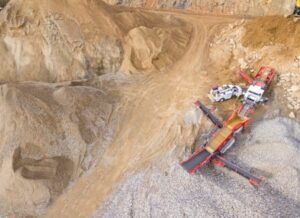
In industrial environments such as mining, construction, and quarrying, dust control has become a major challenge. Airborne dust particles not only create visibility problems but also pose serious health risks to workers and surrounding communities. The accumulation of fine dust can lead to respiratory diseases, machinery damage, and environmental pollution. Therefore, industries are increasingly turning to Dust Suppression Systems as a reliable and efficient solution to manage and minimize airborne dust.
Understanding How Dust Suppression Systems Work
The science behind dust suppression is relatively straightforward but highly effective. These systems use water, chemicals, or a combination of both to capture dust particles before they disperse into the air. Typically, a dust suppression system sprays a fine mist over dust-generating areas. The tiny water droplets attach to dust particles, making them heavier so that they settle to the ground instead of remaining airborne.
Advanced industrial dust suppression technology uses intelligent control mechanisms that automatically adjust spray patterns and water pressure based on weather conditions or the level of dust activity. This ensures that the system is both effective and environmentally friendly, avoiding excess water usage and operational downtime.
Why Effective Dust Control Matters for Health and Safety
One of the main reasons companies invest in Dust Suppression Systems is to improve workplace safety. Inhaling fine dust particles, especially crystalline silica or coal dust, can lead to severe lung diseases such as silicosis, asthma, or chronic obstructive pulmonary disease (COPD). When dust control measures are inadequate, employees face long-term exposure risks that can result in irreversible health damage.
Moreover, airborne dust can obscure visibility, increasing the likelihood of accidents involving heavy machinery or vehicles. By implementing efficient dust suppression methods, companies can significantly reduce these risks, ensuring a safer and cleaner work environment. A cleaner site not only enhances safety but also boosts employee morale and productivity.
Environmental Benefits of Dust Suppression Systems
Beyond health and safety, effective dust management plays a vital role in environmental protection. Uncontrolled dust can settle on nearby vegetation, contaminate water sources, and disrupt local ecosystems. For industries operating near residential areas, airborne dust can also lead to community complaints and potential regulatory fines.
Modern dust suppression technologies are designed to be eco-friendly, using biodegradable agents and minimal water consumption. By adopting these systems, companies demonstrate their commitment to sustainability and environmental responsibility. This proactive approach not only helps meet regulatory standards but also strengthens a company’s reputation in corporate social responsibility (CSR).
Economic Advantages of Investing in Dust Control Solutions
While some companies hesitate to invest in Dust Suppression Systems due to upfront costs, the long-term savings often outweigh the initial expenditure. Excessive dust can cause wear and tear on equipment, clog filters, and reduce the efficiency of ventilation systems. Over time, this leads to increased maintenance costs and production delays.
Implementing dust control solutions helps minimize equipment downtime, extend machinery life, and maintain consistent production output. Furthermore, many insurance providers offer reduced premiums for companies that implement recognized industrial safety measures, including dust control. Therefore, a one-time investment can lead to substantial operational and financial benefits.
Choosing the Right Dust Suppression System for Your Industry
Selecting the appropriate system depends on several factors such as the type of material being handled, the size of the operation, and the site’s environmental conditions. Common options include water-based misting systems, chemical dust suppressants, and foam-based suppression methods.
For heavy industries like mining or construction, automated high-pressure misting systems are often ideal because they can cover large areas efficiently. On the other hand, for smaller facilities or recycling centers, portable dust suppression units may be more practical. It is always recommended to consult with industry experts to tailor a solution that matches your specific operational needs.
Future Innovations in Dust Suppression Technology
The future of dust control lies in automation and sustainability. Emerging technologies now integrate smart sensors and AI-based monitoring tools that can detect dust concentration levels in real time. These systems automatically adjust the water output and spraying intervals to optimize efficiency.
Additionally, research into eco-friendly suppressants is leading to the development of biodegradable and non-toxic agents that can further minimize environmental impact. As industries move toward greener operations, such innovations will play an essential role in maintaining compliance and achieving carbon reduction goals.
Conclusion: A Smarter Approach to Dust Management
In today’s industrial landscape, Dust Suppression Systems are no longer a luxury—they are a necessity. They protect workers, preserve machinery, enhance air quality, and safeguard the environment. As regulations around air pollution and worker safety become stricter, investing in a high-quality dust suppression system ensures long-term compliance and efficiency.
By adopting advanced dust control technologies, industries not only prevent potential hazards but also demonstrate their commitment to responsible and sustainable operations. The future of clean, safe, and productive worksites depends on smart solutions that control dust at its source—making dust suppression a cornerstone of modern industrial management.
Source: FG Newswire