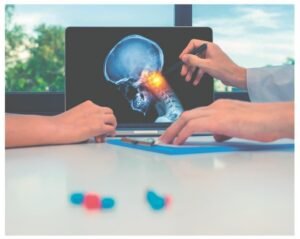
Recovery after Head and Neck Surgery or brain surgery is a journey that extends beyond the operating room. While the primary goal of surgery is to remove disease, restore structure, or relieve pressure, the next important step is rebuilding essential everyday functions. Speech, swallowing, and overall functional therapy play a crucial role in helping patients regain independence, confidence, and quality of life. With the right rehabilitation plan, patients can achieve meaningful progress and return to their daily routines with strength and positivity.
Modern medical advancements have significantly improved surgical precision and outcomes. However, surgeries involving the head, neck, or brain can sometimes affect muscles, nerves, and structures responsible for communication and swallowing. This is where specialized therapy becomes essential. Early intervention, guided by experienced healthcare professionals, can make a remarkable difference in recovery.
Understanding the Impact of Surgery on Speech and Swallowing
The head and neck region contains complex structures responsible for speaking, chewing, and swallowing. Similarly, the brain controls these vital functions through intricate neural pathways. When surgery is performed to treat tumors, trauma, or other conditions, temporary or permanent changes in these functions may occur.
Patients may experience hoarseness, difficulty articulating words, reduced tongue mobility, or challenges swallowing food and liquids. These changes can feel overwhelming initially, but they are manageable with structured rehabilitation. A collaborative approach involving surgeons, therapists, and caregivers ensures that each patient receives personalized support.
By working closely with a skilled Best Neurosurgeon and a multidisciplinary team, patients benefit from treatment plans designed not only to address medical concerns but also to restore function effectively. Early evaluation allows therapists to identify specific challenges and create targeted therapy strategies.
The Role of Speech Therapy in Recovery
Speech therapy is a cornerstone of rehabilitation following head, neck, or brain surgery. Speech-language pathologists assess communication abilities and develop exercises tailored to each patient’s needs. Therapy may focus on improving articulation, strengthening vocal cords, enhancing breath control, and restoring clarity of speech.
For patients who have undergone procedures affecting the vocal cords or tongue, therapy helps retrain muscles and optimize remaining function. In cases involving neurological surgery, therapy supports the brain’s natural ability to reorganize and adapt through neuroplasticity.
Consistent practice and guided exercises can significantly improve speech intelligibility over time. Many patients notice gradual but steady progress, reinforcing motivation and confidence throughout the healing process.
Swallowing Therapy and Nutritional Safety
Swallowing is a complex action involving coordination between muscles and nerves. After surgery, some patients may find it difficult or uncomfortable to swallow. This condition, known as dysphagia, requires careful evaluation and therapy to ensure safe eating and drinking.
Swallowing therapy focuses on strengthening specific muscles, improving coordination, and teaching safe swallowing techniques. Therapists may recommend posture adjustments, modified food textures, or specialized exercises to enhance safety and comfort.
Proper nutrition is vital during recovery. When swallowing difficulties are addressed promptly, patients can maintain adequate nutrition and hydration, supporting faster healing and overall well-being.
Functional Rehabilitation Beyond Speech and Swallowing
Functional therapy goes beyond communication and eating. It includes exercises that improve facial movement, jaw mobility, breathing patterns, and overall coordination. These aspects are especially important for patients who have undergone extensive reconstructive or neurological procedures.
Physical and occupational therapy may also be integrated into the rehabilitation plan. For brain surgery patients, regaining balance, memory, and cognitive skills can be equally important. A holistic approach ensures that all aspects of recovery are addressed.
Family involvement plays a significant role in successful rehabilitation. Caregivers who understand therapy goals can encourage and assist with exercises at home, creating a supportive environment that promotes progress.
Emotional and Psychological Support
Communication challenges can impact self-esteem and social interactions. It is common for patients to feel frustrated or anxious during the early stages of recovery. Emotional support, counseling, and reassurance are essential components of the healing journey.
Support groups and therapy sessions help patients connect with others who have experienced similar challenges. Sharing experiences fosters hope and resilience. With time and consistent effort, most individuals regain functional independence and confidence.
Healthcare teams emphasize positivity and realistic goal-setting. Celebrating small milestones encourages continued dedication to therapy and reinforces the belief that improvement is possible.
Advancements in Rehabilitation Technology
Modern rehabilitation incorporates innovative tools and technologies to enhance recovery. Digital speech therapy applications, biofeedback devices, and advanced imaging techniques allow therapists to monitor progress with greater precision.
Virtual therapy sessions also provide flexibility, enabling patients to continue rehabilitation from the comfort of their homes. These advancements make therapy more accessible and adaptable to individual needs.
The integration of technology with expert clinical guidance ensures comprehensive care and improved outcomes.
A Personalized Path Toward Recovery
Every patient’s journey is unique. Factors such as the type of surgery, overall health, and preexisting conditions influence the rehabilitation process. Personalized therapy plans are designed to match each individual’s goals and pace.
Close collaboration between surgeons, therapists, and patients ensures a smooth transition from surgical care to rehabilitation. Regular follow-ups allow for adjustments in therapy techniques and ensure optimal progress.
With dedication and professional guidance, many patients regain clear speech, comfortable swallowing, and restored functionality. The human body has an extraordinary capacity to heal and adapt when supported by the right interventions.
Conclusion
Speech, swallowing, and functional therapy after head and neck or brain surgery are vital steps in achieving a full and meaningful recovery. While surgery addresses the medical condition, rehabilitation restores independence, communication, and quality of life. Through expert care, personalized therapy plans, and unwavering support, patients can overcome challenges and rediscover confidence in their daily lives.
Source: FG Newswire