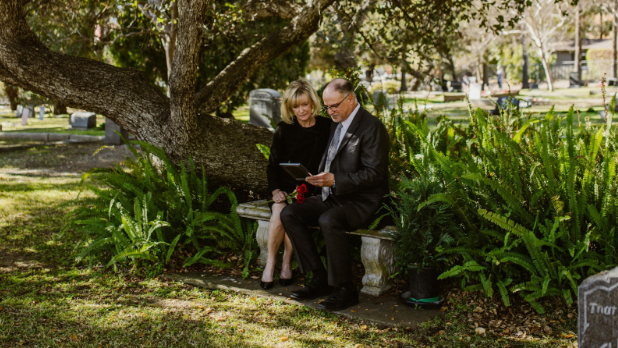
Grief has a way of making time feel both slow and fast at once. When someone we love passes away, we often look for ways to remember them that feel meaningful, lasting, and true to who they were. Traditional memorials like plaques or flowers can be comforting, but they are still and temporary. For many people today, a more living tribute feels right. That is why more families are choosing to plant a tree in memory of someone they have lost.
Planting a tree as a memorial creates something that grows, changes, and continues giving back long after a ceremony ends. It offers a way to transform remembrance into renewal.
The Symbolism Behind a Living Memorial
Trees have long symbolized life, continuity, and resilience. Unlike stone or metal markers, a tree breathes, shelters, and supports life. It becomes part of an ecosystem rather than standing apart from it.
When you plant a tree in memory of someone, the act carries both emotional and environmental meaning. It represents the idea that even after loss, something good can still take root. Over time, that tree absorbs carbon, provides shade, supports wildlife, and improves soil and air quality. The memorial does not fade. It multiplies its impact.
For families, this can feel deeply personal. A tree can reflect qualities of the person being remembered, such as strength, patience, generosity, or growth. Visiting a forest or restoration site where memorial trees have been planted can feel more comforting than visiting a static grave marker. It becomes a place of life rather than loss.
Rethinking How We Honor the People We Lose
Conventional memorial practices often focus on preserving the past. A tree memorial looks forward. It acknowledges grief while also contributing to the future.
This shift reflects a broader change in how people think about legacy. More individuals want their remembrance to do something positive for the world. Planting trees supports reforestation efforts, biodiversity, and climate stability. It allows memory to serve a purpose beyond personal mourning.
Today, platforms like Plantd make it possible to create living memorials that support verified global reforestation projects. Instead of planting a single symbolic tree in isolation, families can contribute to meaningful restoration efforts that rebuild damaged ecosystems.
It can also be more inclusive. Families spread across countries can share a memorial tree-planting experience digitally, knowing that the tribute exists in a place that benefits many communities and ecosystems. Memorial forests create collective spaces of reflection rather than isolated markers.
When People Choose to Plant a Tree in Memory
There is no single moment when this feels right. Some people plant a tree immediately after a loss. Others do it on birthdays, anniversaries, or remembrance days.
Common moments include:
- In honor of a parent or grandparent
- To remember a child or sibling
- As a tribute to a friend
- In recognition of someone who loved nature
- As part of a funeral or memorial service
It can also be meaningful for group remembrance. Schools, sports teams, workplaces, and community organizations sometimes plant trees to honor members who have passed away. This creates a shared space for grief and healing.
For those organizing larger tributes or collective remembrance events, dedicated fundraisers and group tree-planting solutions allow communities to plant trees together in someone’s honor while contributing to long-term forest restoration.
How Memorial Tree Planting Works Today
In the past, planting a memorial tree usually required access to private land. Today, reforestation platforms and tree planting organizations make it possible to create memorial trees through verified restoration projects.
These trees are planted where forests have been damaged by logging, agriculture, or natural disasters. Rather than placing a single symbolic tree in a garden, memorial trees become part of large-scale ecological recovery efforts.
Organizations such as global reforestation platforms manage planting through long-term projects focused on survival and ecosystem health.
This approach connects personal memory to environmental action. The tribute becomes part of something larger than itself, contributing to the rebuilding of real forests rather than serving only as a marker.
How a Living Tribute Helps Emotionally
Grief can feel abstract and heavy. Having something tangible to associate with a memory can help.
Planting a tree offers an action. It gives people a way to respond to loss rather than simply endure it. Over time, that tree becomes a reminder that something continues.
Many people describe living memorials as:
- Less focused on absence
- Easier to explain to children
- More hopeful than traditional tributes
- Grounded in action rather than symbolism alone
Watching something grow can be a quiet form of healing. It does not remove sadness, but it allows remembrance to feel active instead of static.
Why Memorial Trees Matter for the Planet
Planting trees in memory also supports the health of the earth at a time when forests are under pressure.
Each tree contributes by:
- Absorbing carbon from the atmosphere
- Improving air quality
- Supporting wildlife
- Protecting soil and water systems
When memorial trees are planted through restoration programs, they help rebuild entire ecosystems rather than standing alone.
Tree planting organizations that focus on long-term forest recovery aim to restore balance to degraded regions. In this way, memory becomes part of environmental care. The act of remembrance also becomes an act of repair.
Cultural Shifts Toward Green Memorials
Around the world, people are rethinking how they mark life and loss. Green burials, biodegradable urns, and memorial forests are becoming more common. Tree planting fits naturally into this movement.
In many cultures, trees already hold spiritual or symbolic meaning. They represent ancestry, shelter, and connection between generations. Memorial tree planting draws on these traditions while adapting them for modern environmental values.
It also reflects a desire for remembrance that feels personal rather than institutional. Instead of relying solely on cemeteries or monuments, people are creating living legacies that align with their beliefs about care, responsibility, and growth.
A Legacy That Continues
When someone chooses to plant a tree in memory, they create a tribute that lasts beyond a ceremony. That tree will grow for decades. It will absorb sunlight, shelter wildlife, and become part of landscapes that future generations experience.
Memory often feels fragile after loss. A living tree offers something steady and enduring. It does not replace grief, but it reshapes it into something that contributes to the world.
For many families, that is the most meaningful kind of remembrance: one that turns love into life, and loss into growth.
Source: FG Newswire