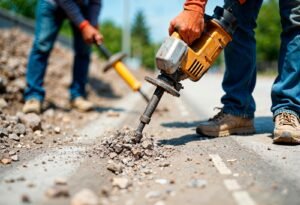
In New York City, sidewalks are more than simple walkways. They are important public infrastructure that affects pedestrian safety, property value, and legal compliance. Property owners are legally responsible for maintaining sidewalks in front of their buildings, and failure to do so can lead to violations, fines, and forced repairs by the city. Sidewalk Repair Services in NYC play a central role in helping owners meet these obligations while avoiding costly penalties.
We recognize that sidewalk damage often develops gradually, making it easy to overlook until a violation notice arrives. Cracks, uneven slabs, and surface deterioration may appear minor at first, but NYC regulations treat these issues seriously due to safety risks. Addressing sidewalk damage early protects both pedestrians and property owners from unnecessary liability.
Why Freeze and Thaw Cycles Damage NYC Sidewalks
New York City experiences extreme seasonal temperature changes, and these conditions directly impact concrete sidewalks. The freeze-thaw cycle is one of the leading causes of sidewalk deterioration across the five boroughs.
When water seeps into small cracks in concrete and freezes, it expands. This expansion puts pressure on the surrounding concrete, widening cracks and weakening the slab. As temperatures rise, the ice melts, leaving behind larger gaps. Over time, repeated freezing and thawing cause slabs to lift, sink, or break apart entirely.
We see this issue most often after winter ends, when sidewalks that appeared intact suddenly show visible damage. Property owners who understand this process are better prepared to schedule inspections and repairs before the city issues violations.
Common Sidewalk Defects That Lead to NYC Violations
NYC Department of Transportation (DOT) inspectors look for specific sidewalk defects that pose a hazard to pedestrians. Some of the most common issues include:
- Uneven or raised concrete slabs
- Cracks wider than half an inch
- Broken or missing sidewalk sections
- Tree root damage is pushing slabs upward
- Spalling or surface flaking
- Improperly sloped or sunken concrete
Any of these conditions can trigger a DOT sidewalk violation. Once issued, the responsibility to repair falls entirely on the property owner, not the city.
How NYC Sidewalk Violations and Fines Work
When a sidewalk inspection identifies hazardous conditions, the DOT issues a formal violation notice. This notice outlines the defects and provides a deadline for repairs. If the repairs are not completed within the specified timeframe, the city may step in and perform the work itself.
City-performed repairs come at a premium cost. The total expense is billed directly to the property owner and added as a lien against the property. In many cases, this cost is significantly higher than hiring a private contractor in advance.
We strongly advise addressing sidewalk issues immediately after receiving a notice to avoid unnecessary financial strain and legal complications.
The Financial Impact of Ignoring Sidewalk Repairs
Ignoring sidewalk damage is rarely cost-effective. What begins as a small crack can evolve into a full slab replacement if left unattended. In addition to repair costs, property owners may face:
- Municipal fines
- Increased insurance premiums
- Legal liability for pedestrian injuries
- Reduced property value
- Delayed property sales or refinancing
We emphasize proactive maintenance because early intervention minimizes expenses and preserves compliance with city regulations.
Tree Roots and Sidewalk Damage in NYC
Tree roots are another major contributor to sidewalk damage throughout New York City. While trees enhance neighborhoods, their root systems often grow beneath sidewalks, lifting or cracking concrete slabs over time.
NYC has specific rules regarding tree-related sidewalk damage. In some cases, coordination with the Parks Department is required before repairs can proceed. Failure to follow these procedures may result in rejected repairs or additional violations.
Working with experienced professionals ensures that sidewalk repairs near trees meet city standards while protecting surrounding infrastructure.
What a Proper NYC Sidewalk Repair Involves
Sidewalk repairs in NYC must comply with DOT specifications. Not all concrete work is considered acceptable. Repairs typically involve:
- Saw-cutting damaged slabs
- Removing defective concrete
- Preparing a stable sub-base
- Pouring DOT-approved concrete
- Ensuring proper slope and alignment
- Curing concrete to meet durability standards
Temporary patching is not sufficient. NYC inspectors require permanent, structurally sound solutions that restore the sidewalk to safe, uniform conditions.
Why Professional Sidewalk Repair Matters
We understand that some property owners consider quick fixes or low-cost alternatives. However, improper repairs often fail inspections, leading to repeat violations and additional costs. Professional sidewalk contractors understand NYC codes, permit requirements, and inspection processes. They ensure that repairs pass DOT review the first time, preventing delays and financial setbacks.
A trusted provider such as Brick Tech NYC offers compliant solutions that address both visible damage and underlying structural issues. As an informational resource, property owners can better understand the scope of professional sidewalk repair services available in the city.
Permits, Inspections, and Compliance
Most sidewalk repairs in NYC require permits. Once repairs are completed, a DOT inspection is necessary to close the violation. Missing any step in this process can result in unresolved violations remaining on record. We stress the importance of handling permits and inspections correctly. Proper documentation protects property owners and ensures that repairs are officially recognized by the city.
Preventive Maintenance to Avoid Future Violations
Preventive maintenance is one of the most effective ways to avoid sidewalk violations and fines. Routine inspections, especially after winter, help identify early signs of damage.
Recommended preventive steps include:
- Sealing small cracks before water intrusion
- Monitoring tree root growth
- Addressing drainage issues near sidewalks
- Replacing aging concrete proactively
- Scheduling professional assessments annually
We view preventive maintenance as an investment in safety, compliance, and long-term cost control.
Sidewalk Repairs and Property Value
A well-maintained sidewalk contributes to curb appeal and overall property value. Prospective buyers, tenants, and investors view sidewalk condition as a reflection of property management quality. Unresolved violations can delay property transactions and complicate financing. Keeping sidewalks compliant ensures smoother real estate processes and protects long-term asset value.
Choosing the Right Sidewalk Repair Partner in NYC
Selecting the right contractor is important. Experience, compliance knowledge, and quality workmanship determine whether repairs succeed or fail inspection. We recommend choosing professionals who understand NYC DOT standards, manage permits efficiently, and deliver durable results. Transparent communication and documented compliance are essential factors in avoiding future issues.
Final Thoughts on Freeze, Thaw, and Fines
Sidewalk damage in NYC is unavoidable due to weather conditions, aging infrastructure, and urban tree growth. However, fines, violations, and legal risks are avoidable with timely action and proper repairs.
We believe informed property owners make better decisions. Understanding how freeze-thaw cycles affect concrete, how violations are issued, and how repairs should be handled empowers owners to stay compliant and protect their investments.
Proactive sidewalk repair is not just about meeting regulations—it is about safety, responsibility, and long-term property care.
Source: FG Newswire