In the digital era, video content has emerged as the most effective medium for communication, marketing, and storytelling. Social media platforms, websites, and advertising campaigns increasingly rely on motion content to engage audiences. However, creating high-quality videos traditionally requires technical expertise, advanced software, and significant time investment. Enter image to video AI, a technology that is changing the game by transforming still images into dynamic videos effortlessly. With image to video tools, even beginners can produce professional-looking videos without any prior editing experience.
This article explores how image to video AI works, its benefits, and why it represents the future of video creation.
What Is Image to Video AI?
Image to video AI refers to artificial intelligence software designed to convert static images into animated video sequences. The AI analyzes an image to understand its composition, depth, and key elements. It then predicts movement and generates intermediate frames, creating a fluid motion video.
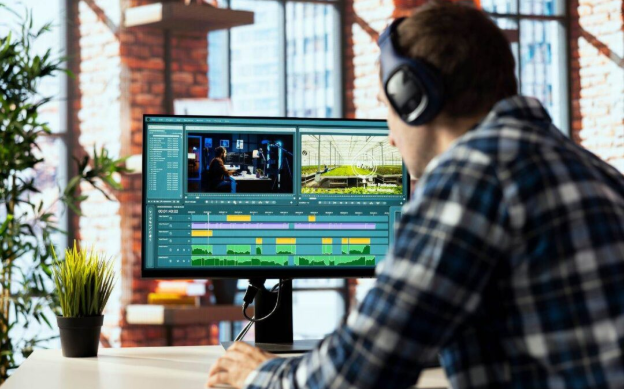
Unlike traditional video editing, which requires manual control of timelines, transitions, and effects, image to video platforms automate the entire process. Users simply upload an image, select a motion style or template, and let the AI generate the video. This automation makes video creation accessible to anyone, from content creators to marketers and educators.
How Image to Video AI Works
The technology behind image to video ai is based on machine learning, deep learning, and computer vision. These systems are trained on vast collections of images and videos, allowing the AI to understand movement patterns, object behavior, depth perception, and lighting effects.
The typical workflow of an image to video generator includes:
- Image Analysis – Detects subjects, objects, and backgrounds in the uploaded image.
- Motion Prediction – Determines how different elements should move naturally.
- Frame Generation – Creates additional frames between the original image to simulate motion.
- Video Rendering – Combines all frames into a smooth, continuous video.
Thanks to this automation, image to video AI allows users to produce videos in minutes, saving hours compared to traditional video creation methods.
Key Features of Image to Video AI Tools
1. Automated Animation
One of the standout features of image to video AI is its ability to animate images automatically. Users don’t need to create keyframes or manually control motion paths.
2. Predefined Motion Styles
Many tools offer motion presets, including zoom, pan, parallax, and cinematic effects, enabling professional-quality results in just a few clicks.
3. Fast Processing
AI-driven platforms can generate videos quickly, making them ideal for time-sensitive content creation.
4. User-Friendly Interfaces
Most image to video platforms are designed for beginners, allowing anyone to create videos by uploading an image and selecting motion preferences.
5. Export Flexibility
Videos can be exported in multiple resolutions and formats, suitable for social media, websites, and presentations.
Benefits of Image to Video AI
Time Efficiency
Traditional video editing can take hours or even days. With image to video AI, users can generate motion videos in minutes.
Cost Savings
No need for expensive video editing software or professional editors. Image to video tools offer a budget-friendly alternative.
Accessibility
Even users without technical skills can create professional-quality videos, breaking down barriers to content creation.
Enhanced Engagement
Motion videos naturally attract more attention, interaction, and shares than static images.
Creative Flexibility
Users can experiment with different motion styles, cinematic effects, and visual enhancements to make content more engaging.
Use Cases for Image to Video AI
Social Media Content
Creators can turn photos into short motion videos for stories, reels, or posts. Image to video technology helps content stand out in crowded feeds.
Marketing and Advertising
Businesses convert product images into animated promotional videos. Image to video AI allows brands to create visually compelling campaigns quickly.
Education
Teachers animate illustrations, diagrams, and charts to make lessons more interactive and engaging.
Photography
Old photos or personal images can be transformed into animated memories, bringing static images to life.
Art and Storytelling
Digital artists and writers can use image to video AI to bring illustrations and artwork to life, adding cinematic motion for storytelling.
Websites and Blogs
Embedding motion videos on web pages can increase user engagement and boost SEO by increasing time spent on site.
Advantages Over Traditional Video Editing
| Feature | Image to Video AI | Traditional Editing |
| Skill Level | Beginner-friendly | Advanced |
| Speed | Fast | Slow |
| Cost | Low | High |
| Automation | Fully automated | Manual |
| Learning Curve | Short | Long |
This comparison demonstrates why image to video AI is the preferred choice for beginners and professionals seeking efficiency.
Tips for Using Image to Video AI
To maximize results with image to video tools:
- Use high-resolution images for smoother motion.
- Choose simple backgrounds to help the AI focus on key elements.
- Experiment with different motion styles for varied effects.
- Add captions or text overlays for better communication.
- Keep videos concise to maintain viewer attention.
Following these practices ensures high-quality, visually engaging videos.
Limitations of Image to Video AI
While powerful, image to video AI tools have some limitations:
- Complex images may produce unnatural motion.
- Fine details may not animate perfectly.
- Limited control over subtle effects compared to professional editing.
- Output quality depends on the source image.
Despite these challenges, improvements in AI are reducing these limitations rapidly.
The Future of Image to Video AI
The future of image to video AI is bright. As AI models continue to improve, users can expect:
- More realistic movement and depth effects
- Improved facial and object animation
- Automatic voice, narration, and music integration
- Longer and more complex video creation
- Cinematic and creative visual effects
This evolution will make image to video technology even more indispensable for creators, marketers, and educators worldwide.
Conclusion
Image to video AI is revolutionizing video creation. By transforming static images into animated videos, it removes barriers related to skill, cost, and time. Whether for social media, marketing, education, or personal projects, image to video tools empower anyone to produce high-quality, engaging content quickly and efficiently.
With continuous AI advancements, image to video AI represents the future of content creation, enabling creators to tell stories, share memories, and engage audiences in ways that were previously accessible only to skilled video editors.
For those looking to create motion videos without learning complex editing software, image to video AI is the ultimate solution, making the future of video creation more accessible, creative, and exciting than ever.
Source: FG Newswire