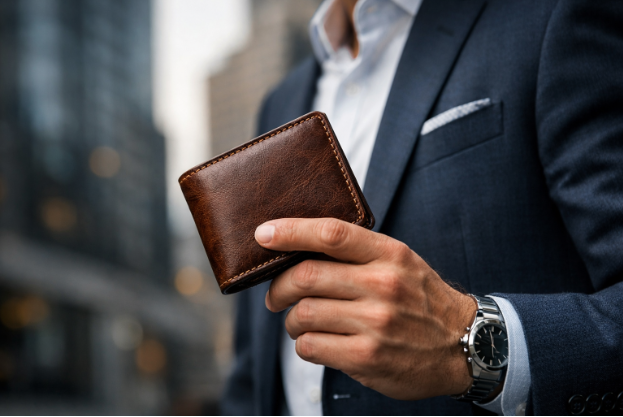
A wallet does more than hold cash and cards. It reflects your personal style, daily habits, and attention to detail. Among the many wallet materials available today, leather continues to dominate the market because of its durability, elegance, and timeless appeal.
Choosing the perfect leather wallet may seem simple, but several factors influence the decision. Leather quality, wallet design, craftsmanship, and functionality all play a crucial role in determining whether a wallet will serve you well for years or fall apart within months. Many people buy leather wallets based solely on appearance, but experienced buyers know that the real value lies in the materials and construction.
In this expert guide, you will learn how to evaluate leather types, identify high-quality craftsmanship, and select a wallet style that matches your lifestyle. By the end of this article, you will understand exactly what separates a premium leather wallet from an average one.
Why Leather Wallets Are a Timeless Choice
Leather wallets have remained popular for centuries, and for good reason. Unlike synthetic materials, genuine leather develops character over time. As you use it daily, the leather forms a natural patina that enhances its texture and appearance.
Another reason people prefer leather wallets is durability. High-quality leather withstands years of daily use without tearing or cracking easily. Many premium wallets last five to ten years or even longer when properly maintained.
Leather also offers a sophisticated aesthetic that complements both casual and professional styles. Whether you wear formal business attire or relaxed everyday clothing, a well-crafted leather wallet always looks appropriate.
Key benefits of leather wallets include:
- Long lifespan compared to synthetic wallets
- Natural aging that improves appearance over time
- Elegant and professional style
- Strong resistance to daily wear and tear
These qualities make leather wallets a practical and stylish investment.
The Importance of Choosing the Right Wallet
Selecting the right wallet improves both convenience and organization. A poorly designed wallet can create discomfort, damage your cards, and even affect your posture when carried in a back pocket.
Many people overload their wallets with unnecessary items such as receipts, unused cards, and coins. Over time, this causes the wallet to stretch, lose its shape, and wear out faster.
Choosing the right wallet ensures:
- Comfortable everyday carry
- Proper organization of cards and cash
- Long-term durability
- Better protection for important item
The perfect wallet should balance size, functionality, and style while matching your daily lifestyle.
Understanding Different Types of Leather
Not all leather is the same. The quality of leather used in a wallet directly affects its durability, appearance, and price. Understanding the different leather grades helps you make a smarter purchase.
Leather manufacturers typically classify leather into four major categories.
Full-Grain Leather
Full-grain leather represents the highest quality leather available. Manufacturers create it from the top layer of the hide without sanding or altering the surface.
This leather retains the natural grain pattern, which includes unique marks and textures. Instead of hiding these characteristics, full-grain leather celebrates them, making each wallet unique.
Advantages of full-grain leather include:
- Exceptional durability
- Natural aging and patina development
- Strong fiber structure
- Premium appearance
Although full-grain leather wallets cost more, they often last decades when properly cared for.
Top-Grain Leather
Top-grain leather ranks slightly below full-grain leather in quality but still offers excellent durability and appearance.
Manufacturers sand the outer surface of the hide to remove imperfections and apply a finishing coat. This process creates a smoother and more uniform texture.
Top-grain leather provides several benefits:
- Sleek and refined appearance
- Good durability
- Resistance to stains
- More affordable than full-grain leather
Many premium wallet brands prefer top-grain leather because it balances quality and cost effectively.
Genuine Leather
The term “genuine leather” often confuses buyers. While it technically means the product contains real leather, it represents a lower grade compared to full-grain or top-grain leather.
Manufacturers create genuine leather from the remaining layers of the hide after removing the top layers. They often process and treat it heavily to achieve a consistent look.
Characteristics of genuine leather include:
- Lower price point
- Acceptable durability
- Less natural grain structure
- Limited aging potential
Genuine leather wallets can still serve everyday use, but they typically wear out faster than higher-grade leather.
Bonded Leather
Bonded leather represents the lowest quality category. Manufacturers produce it by combining leftover leather fibers with adhesives and pressing them into sheets.
Although bonded leather contains some leather particles, it behaves more like synthetic material.
Common drawbacks include:
- Low durability
- Peeling surface over time
- Artificial appearance
- Short lifespan
If you want a wallet that lasts for years, avoid bonded leather whenever possible.
Popular Leather Wallet Styles
Wallet design affects both functionality and comfort. Different styles suit different lifestyles, so understanding the common wallet types helps you choose wisely.
Bifold Wallets
Bifold wallets remain the most popular wallet style worldwide. They feature a simple design that folds once in the middle.
Inside a bifold wallet, you usually find:
- Multiple card slots
- A cash compartment
- Occasionally a coin pocket
This design offers a balance between storage and compact size. Most people choose bifold wallets because they fit comfortably in pockets while holding essential items.
Trifold Wallets
Trifold wallets fold into three sections instead of two. This design provides additional card slots and storage compartments.
Advantages of trifold wallets include:
- Increased storage capacity
- Better organization for cards
- Separate compartments for documents
However, trifold wallets become thicker when fully loaded, which may feel bulky in pockets.
Minimalist Wallets
Minimalist wallets have gained popularity in recent years. These wallets focus on simplicity and compactness, often holding only a few cards and some folded cash.
Minimalist wallets offer several benefits:
- Ultra-slim design
- Lightweight carry
- Reduced pocket bulk
- Modern aesthetic
People who prefer clean organization and carry fewer items often choose minimalist wallets.
Travel Wallets
Travel wallets cater to people who frequently travel. These wallets include additional space for documents such as passports, boarding passes, and travel cards.
Typical features of travel wallets include:
- Passport compartments
- Zipper pockets
- Multiple card holders
- Secure closures
Travel wallets keep important documents organized and easily accessible during trips.
Factors to Consider Before Buying a Leather Wallet
Buying a wallet involves more than just selecting a style. Several practical factors determine whether a wallet will meet your daily needs.
Size and Capacity
The size of your wallet should match the number of items you carry daily. Oversized wallets create unnecessary bulk, while extremely small wallets may lack enough storage.
Before buying a wallet, evaluate:
- Number of cards you carry
- Cash usage frequency
- Need for coin storage
- Pocket size and comfort
Choosing the right capacity ensures convenience without sacrificing comfort.
Functionality and Compartments
Well-designed compartments help organize your belongings efficiently. A good wallet should include dedicated slots for cards, cash, and identification.
Look for features such as:
- Easy card access
- Clear ID windows
- Secure coin pockets
- Separate sections for receipts
Practical design improves everyday usability.
Stitching and Craftsmanship
High-quality stitching indicates superior craftsmanship. Skilled artisans use tight, even stitches that hold the wallet together for years.
When inspecting a wallet, check for:
- Straight stitching lines
- No loose threads
- Reinforced corners
- Clean finishing edges
Good craftsmanship significantly increases a wallet’s lifespan.
RFID Protection
Modern wallets sometimes include RFID-blocking technology. This feature protects credit cards from unauthorized wireless scanning.
RFID protection helps prevent digital theft by blocking radio signals used to read card information.
Although not everyone requires RFID protection, frequent travelers and urban commuters often benefit from this added security.
How to Identify High-Quality Leather
Many wallets look similar at first glance, but small details reveal true quality.
Texture and Smell
Authentic leather has a distinct natural texture. It feels slightly uneven and soft to the touch, unlike synthetic materials that feel overly smooth or plastic-like.
Another reliable indicator is smell. Real leather produces a rich, earthy aroma, while synthetic materials often smell like chemicals or plastic.
Durability and Aging
High-quality leather improves with age. Over time, it develops a beautiful patina that enhances color and texture.
Lower-quality leather, on the other hand, tends to crack, peel, or fade quickly.
If you want a wallet that becomes more attractive over time, invest in high-grade leather.
Matching Your Wallet With Your Lifestyle
Your daily routine should influence your wallet choice.
For Professionals
Professionals benefit from sleek and refined wallet designs. A slim bifold wallet made from full-grain or top-grain leather complements business attire perfectly.
It keeps essential cards organized while maintaining a polished appearance during meetings or networking events.
For Travelers
Travelers require wallets with extra storage and security. A travel wallet with RFID protection helps protect sensitive information while keeping documents organized.
Look for models that include passport pockets and secure closures.
For Minimalists
Minimalists prefer simplicity. A slim leather cardholder or minimalist wallet eliminates unnecessary bulk and encourages organized habits.
These wallets suit people who rely mostly on cards and carry little cash.
Price vs Value: Is an Expensive Wallet Worth It?
Many buyers wonder whether expensive wallets truly offer better value.
Premium wallets often cost more because they use superior materials and skilled craftsmanship. High-quality leather, durable stitching, and careful construction increase production costs.
However, these wallets also last significantly longer. Instead of replacing cheap wallets every year, a premium wallet may serve you for a decade.
When evaluating price versus value, consider:
- Material quality
- Brand reputation
- Craftsmanship
- Warranty or guarantees
In many cases, investing in a high-quality wallet saves money in the long run.
Sustainable and Ethical Leather Options
Consumers increasingly prioritize sustainability when purchasing leather goods.
Several brands now produce eco-friendly leather using responsible sourcing and environmentally conscious tanning processes.
Vegetable-tanned leather represents one sustainable option. Manufacturers use natural plant-based tannins instead of harsh chemicals, reducing environmental impact.
Some companies also produce alternative leather materials derived from plants, recycled fibers, or innovative bio-based sources.
Choosing ethically produced leather supports responsible manufacturing and environmental protection.
Frequently Asked Questions
How long does a leather wallet typically last?
A high-quality leather wallet can last between 5 and 15 years depending on usage and maintenance.
Which leather is best for wallets?
Full-grain leather offers the highest durability and develops the most attractive patina over time.
Do leather wallets stretch over time?
Yes. Leather naturally stretches slightly with use, especially when overloaded with cards or cash.
Are RFID wallets necessary?
RFID wallets provide additional security against electronic theft, but not everyone requires them. Travelers and people who carry multiple contactless cards may benefit the most.
How many cards should a wallet hold?
Experts recommend carrying only essential cards, usually between 4 and 8 cards, to maintain wallet shape and comfort.
Conclusion
Choosing the perfect leather wallet requires more than selecting a stylish design. You must evaluate leather quality, craftsmanship, functionality, and lifestyle compatibility before making a purchase.
Full-grain and top-grain leather wallets offer the best durability and long-term value, while thoughtful design ensures comfort and organization. Paying attention to stitching, compartments, and security features also helps you identify a well-crafted wallet.
A high-quality leather wallet serves as both a practical accessory and a personal style statement. When you invest in the right wallet and maintain it properly, it can accompany you for many years while developing a unique character that reflects your daily journey.
Source: FG Newswire