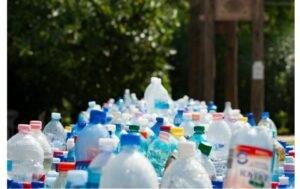
Plastic pollution has become one of the most pressing environmental challenges of our time. Across Canada, millions of plastic bottles are sold every day — but not all of them are properly recycled. Many end up in landfills, waterways, and natural habitats, where they take centuries to decompose and pose serious risks to Wildlife and ecosystems.
In Alberta, however, a strong recycling system has helped reduce plastic pollution significantly. Thanks to the province’s deposit-refund program and the accessibility of facilities such as a bottle depot, residents can ensure that bottles and beverage containers are recycled responsibly instead of contributing to waste.
By turning plastic waste into reusable materials, recycling offers a simple yet powerful solution for protecting Alberta’s natural environment — and Calgary is leading the way.
Understanding the Plastic Pollution Problem
Plastic is durable, lightweight, and inexpensive — qualities that make it ideal for packaging but disastrous when it’s discarded. Globally, over 400 million tonnes of plastic are produced each year, with a significant portion ending up as waste in the environment.
In Alberta, the growing population and high consumption rates mean that plastic waste can quickly accumulate. When bottles aren’t returned to a calgary recycling depot, they often end up in landfills or as litter in parks, rivers, and streets. Over time, these plastics break down into tiny particles called microplastics, which contaminate soil, water, and even food supplies.
This pollution not only harms Wildlife but also affects human health and the broader ecosystem.
How Recycling Fights Plastic Pollution
Bottle recycling directly tackles the root causes of plastic pollution by capturing, processing, and reusing materials before they enter the environment. Each recycled bottle prevents a piece of plastic from becoming waste and reduces the need for manufacturing new materials.
Here’s how the process helps:
- Collection and Sorting: Residents return plastic bottles to depots, where they’re separated by material type.
- Cleaning and Processing: Containers are washed, shredded, and melted into pellets used for new products.
- Reproduction: These pellets are transformed into new bottles, packaging, textiles, or construction materials.
This closed-loop cycle reduces waste, conserves energy, and limits the extraction of fossil fuels used in producing new plastic.
The Environmental Benefits of Bottle Recycling
Recycling bottles has numerous environmental advantages that go far beyond waste reduction.
- Reducing Landfill Waste
When bottles are recycled instead of thrown away, they’re kept out of landfills, which are already under significant pressure. This helps conserve land space, reduce methane emissions, and lower long-term waste management costs. - Conserving Energy and Resources
Producing new plastic from petroleum requires large amounts of energy. Recycling uses far less — saving electricity, water, and fuel. Each bottle returned to the system means fewer resources consumed and less pollution created. - Preventing Water and Soil Contamination
Discarded plastics can leach harmful chemicals into soil and waterways. Recycling prevents these contaminants from entering the environment, keeping Alberta’s rivers and landscapes clean. - Protecting Wildlife
Animals often mistake plastic waste for food or become entangled in it. By keeping plastics out of nature, recycling protects countless birds, fish, and mammals from harm.
Calgary’s Leadership in Reducing Plastic Waste
Calgary has emerged as one of Alberta’s strongest leaders in waste management and recycling innovation. The city’s widespread participation in bottle returns has dramatically reduced the number of bottles ending up as litter.
Through consistent use of local depots, residents help maintain a clean urban environment and protect the surrounding natural areas, including rivers, parks, and green spaces. Community awareness campaigns and school programs also play a key role in educating Calgarians about responsible plastic disposal.
The result is a city that’s not only cleaner but also more engaged in protecting its future.
The Role of Deposit-Refund Programs
Alberta’s deposit-refund system is one of the most effective tools in the fight against plastic pollution. By attaching a small monetary value to each beverage container, the system provides a direct incentive to recycle.
When consumers return containers, they receive their deposit back — turning waste into opportunity. This simple yet effective model has achieved recycling rates of over 85% for beverage containers in Alberta, one of the highest in North America.
Beyond the statistics, the program encourages responsible behaviour and ensures that bottles are handled through proper recycling channels.
Encouraging Sustainable Habits at Home
While recycling systems and depots play a major role, reducing plastic pollution starts at home. By making small changes in daily habits, Calgarians can significantly reduce their personal environmental footprint.
Here are a few simple tips:
- Choose reusable containers: Opt for refillable bottles instead of single-use plastics.
- Sort recyclables properly: Rinse bottles and separate materials before returning them.
- Avoid contamination: Keep food and liquid out of recycling bins to maintain quality.
- Buy recycled products: Support companies that use recycled materials to close the loop.
- Return regularly: Schedule depot visits every few weeks to maintain consistency.
Small, consistent efforts like these add up — creating meaningful progress in reducing plastic waste across the city.
The Broader Impact: From Local to Global
Plastic pollution is a global problem, but local solutions like Calgary’s recycling network have far-reaching effects. Each bottle recycled locally reduces the demand for virgin plastic, decreasing the global production of petroleum-based materials.
Moreover, efficient recycling practices set an example for other cities and regions striving for sustainability. Calgary’s success demonstrates that with the right infrastructure, incentives, and community participation, it’s possible to turn waste into value while protecting natural resources.
In the long run, these efforts help combat global plastic pollution and support Canada’s broader environmental commitments.
Community Engagement in Plastic Reduction
Community involvement is essential in tackling plastic waste. Calgary’s schools, non-profits, and volunteer groups regularly organize clean-ups and bottle drives that combine environmental education with direct action.
Bottle drives, in particular, are an effective way to promote recycling awareness. They encourage residents to gather and donate bottles, fostering teamwork while reducing litter. The funds raised often support local causes, strengthening both the social and environmental fabric of the community.
By connecting environmental action to social benefit, Calgary continues to build a culture of responsibility and collaboration.
How Technology Enhances Recycling Efficiency
Modern recycling facilities are increasingly using technology to make the process faster, cleaner, and more efficient. Automated sorting systems, optical scanners, and data tracking tools ensure that materials are properly categorized and processed.
These advancements help reduce contamination and improve recycling rates, allowing Calgary’s recycling network to handle growing volumes of plastic responsibly. As technology evolves, the system will become even more effective at preventing waste and preserving resources.
The Long-Term Vision for a Plastic-Free Future
The ultimate goal of recycling is not just to manage waste, but to prevent it altogether. Calgary’s long-term vision includes reducing single-use plastics, expanding recycling accessibility, and promoting a circular economy where materials are continuously reused.
As residents, businesses, and governments collaborate on sustainability goals, Alberta is moving closer to a future where plastic pollution becomes a problem of the past.
This vision relies on collective effort — and it starts with small, everyday choices like returning bottles and using reusable alternatives.
Final Thoughts
Plastic pollution may be a global challenge, but solutions begin at the local level. Through consistent recycling habits and community participation, Calgarians are making a real difference.
By returning containers to a Bottle Depot or visiting a nearby Bottle Depot in Calgary, residents help keep plastics out of landfills and waterways while supporting a more sustainable economy.
Every bottle recycled is a step toward a cleaner, healthier Alberta — one where resources are reused responsibly, communities thrive, and the environment is protected for generations to come.
Source: FG Newswire