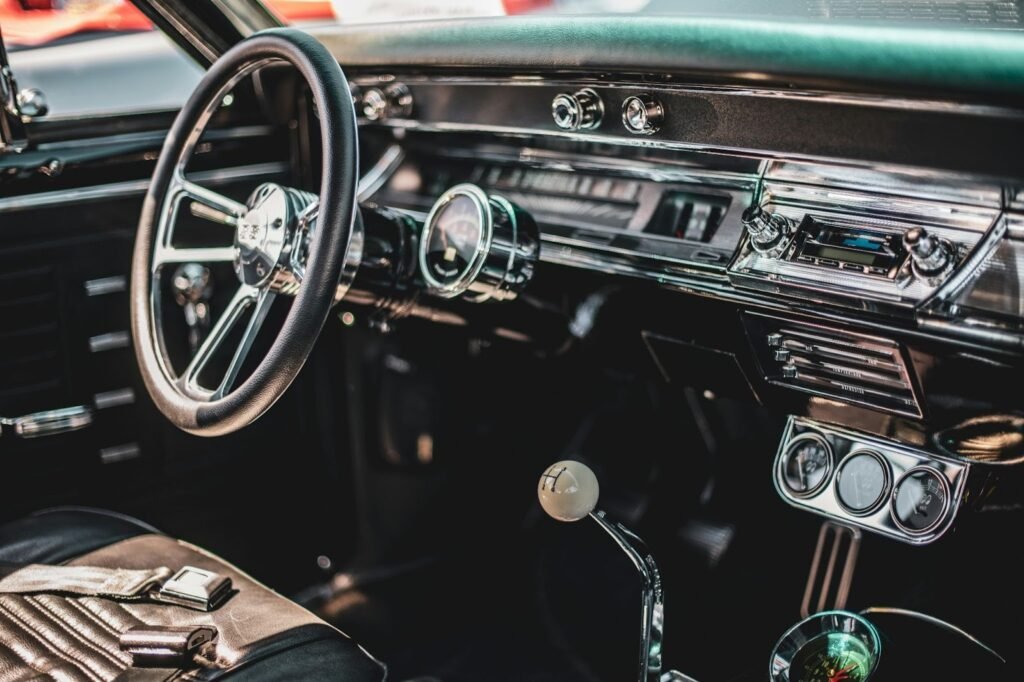
Mountain driving will test your car in ways you’ll never experience on flat interstate stretches. Here’s the reality: thinner oxygen at altitude chokes naturally aspirated motors, extended climbs cook cooling systems alive, and brake fade transforms a pleasant downhill cruise into genuine terror. Then weather flips without warning and switchbacks tighten up fast.
You’re looking at conditions that expose pretenders instantly. We’re going to walk through how high performance used cars, used muscle cars, and affordable sports cars tackle elevation and curves without emptying your wallet and what you absolutely must inspect before signing anything.
Before we get into specific models, you need clarity on what actually separates mountain-worthy performance machines from cars that’ll overheat before reaching the summit. These are the systems that matter when elevation gets serious.
What Makes a Car Mountain-Ready
Start where most shoppers completely miss: how engines pull oxygen when atmospheric pressure drops thirty percent.
Power That Holds at Elevation
Forced induction turbos and superchargers typically maintain strength during climbs better than naturally aspirated setups because it actively compensates for altitude’s oxygen theft. You want usable torque across the rev range, not just impressive peak horsepower that evaporates above 7,000 feet.
During your test drive, stay alert for boost leaks. Watch for heat soak symptoms when the car’s been working hard uphill. A vehicle that rips at sea level but wheezes in the mountains? Probably suffering intercooler efficiency issues.
Braking That Survives Descents
Getting up the mountain takes power. But it’s brake fade that launches cars into emergency runoff zones. Here’s your survival checklist for stopping power that lasts through marathon descents. Pad compound quality and proper rotor ventilation matter infinitely more than expensive big-brake marketing. During inspections, examine rotors for warping, look for signs of boiled fluid, check pad wear patterns. High-temperature brake fluid and quality pads revolutionize stopping performance without sacrificing daily drivability.
Powerful brakes solve half your problem but if tires or suspension can’t hold the chassis stable through blind corners, your confidence disappears instantly.
Finding the Right Performance Car
Sandy, Utah anchors itself at the Wasatch Range’s base, where altitude shifts happen within minutes and pavement conditions swing from bone-dry to sudden snowfall. Locals understand that picking the wrong vehicle means struggling up Little Cottonwood Canyon or getting stranded partway up Big Cottonwood.
When you’re evaluating options from used cars sandy dealerships, prioritize documented inspection records and question whether the car’s been properly prepared for steep grades and elevation swings. A knowledgeable seller will grasp what mountain routes demand from cooling infrastructure and braking systems, speaking confidently about maintenance history and recent performance-related work.
Now that the fundamentals are clear, let’s identify specific used performance vehicles delivering mountain competence without destroying your budget.
Best Cars for Mountain Driving
We’ll begin with lightweight champions vehicles that attack switchbacks through momentum and precision instead of brute force.
Affordable Sports Cars That Excel in Corners
The Mazda MX-5 Miata (NC and ND generations) absolutely owns twisty asphalt with flawless balance and communicative steering. Before buying, examine soft top seals and wheel bearings carefully. The Subaru BRZ and Toyota 86 twins provide telepathic steering feedback, though early FA20 motors sometimes burn oil to confirm consumption records.
Honda Civic Si models bring tight gear ratios and bulletproof reliability. Scrutinize synchros, engine mounts, and cooling system health. If you need stronger midrange torque to handle long climbs without constant downshifts, these turbocharged options deliver usable power even as altitude increases.
High Performance Used Cars With Turbo Advantage
The VW Golf GTI and Golf R blend torque with balanced handling, but monitor for water pump and thermostat housing leaks. DSG service documentation is critical. Ford Focus ST and RS variants hit hard in the midrange just confirm head gasket integrity on RS units and inspect PTU plus rear differential.
BMW 335i and 340i (N55/B58 motors) provide mountain-pulling torque. Insist on complete cooling system service records and examine charge pipes thoroughly.
Muscle cars get written off as drag strip specialists, but contemporary platforms have demonstrated surprising competence on technical roads with proper setup and realistic expectations.
Used Muscle Cars Built for Mountain Roads
The Ford Mustang GT (S550 generation) combines power with genuinely capable brakes and handling dynamics. When looking at the Dark Horse model, this Mustang would crank out a 0-60 in 4.1 seconds and would complete a quarter mile at 12.6 seconds at 113.5mph. Examine rear tire wear patterns and confirm no overheating incidents.
Chevrolet Camaro SS (6th gen) brings serious chassis capability, though sight lines demand creative solutions. Plan for tire expenses. The Dodge Challenger R/T Scat Pack hauls extra weight budget for brake improvements if you’re running serious mountain passes. For routes with volatile weather and year-round mountain commutes, all-wheel drive transforms from nice-to-have into absolute necessity.
AWD Traction Picks for Weather Changes
The Subaru WRX delivers unbeatable traction, but older examples can experience ringland failures to verify engine condition and clutch health. Audi S3 and S4 models provide quattro confidence; confirm DSG maintenance and control arm condition. The Acura TL SH-AWD introduces torque vectoring inspect suspension elements and transmission service history.
Pre-Purchase Inspection Priorities
Once you’ve narrowed your shortlist, a mountain-focused inspection reveals problems that generic pre-purchase checks completely overlook.
Test Drive Routes That Reveal Problems
Parking lot test drives conceal exactly what mountain roads expose brutally. Simulate sustained climbs and descents monitor temperature stability, brake pedal feel, and transmission responses closely. Listen for detonation or knock under load. On turbocharged platforms, boost should develop smoothly without surging or hesitation.
Service Records That Actually Matter
What the test drive conceals, service history exposes if you recognize which maintenance items genuinely matter for performance vehicles.
Brake fluid change intervals, coolant replacements, differential services, and ignition component schedules reveal everything about ownership quality. Missing DSG or DCT services? Major red flag. Mismatched tires on AWD systems suggest neglect or something worse.
Your Questions Answered
Which is better for mountain roads: AWD, RWD, or FWD?
AWD delivers year-round confidence when conditions shift, but RWD offers superior balance and feedback on dry pavement. FWD works surprisingly well in lightweight sports cars with appropriate tires. Match your drivetrain to actual weather exposure and personal driving preferences.
Do turbocharged cars really perform better at high altitude?
Absolutely. Forced induction compensates for a thinner atmosphere more effectively than naturally aspirated configurations. You’ll still sacrifice some power, but the performance drop is significantly less dramatic. Turbocharged vehicles typically feel stronger on mountain ascents than comparable NA engines.
What mileage is too high for high performance used cars?
Documented maintenance trumps mileage every time. A meticulously maintained 100,000-mile example with comprehensive service records frequently outlives a neglected 40,000-mile car running old fluids and worn parts. Inspect thoroughly regardless of what the odometer shows.
Final Thoughts on Mountain Performance
Selecting the best cars for mountain driving requires looking past headline horsepower toward cooling capability, brake endurance, and real-world torque curves. Whether you’re browsing used cars for mountain roads or hunting affordable sports cars that handle altitude changes, the correct inspection approach and platform knowledge prevents costly regrets.
Don’t chase spec sheets blindly, test drive on genuine grades, verify maintenance documentation, and prioritize the systems that mountain environments stress hardest. Your perfect car exists right now, ready to transform your next mountain drive from nerve-wracking to absolutely sublime.