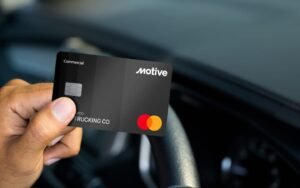
Fuel prices in Sweden are known for being among the highest in Europe, which makes finding ways to save on every liter important for most drivers. One of the most practical solutions has been the use of fuel cards.
These cards, are called “tankkort” in Sweden, works much like credit or loyalty cards and are issued by major fuel companies such as Circle K, Preem, OKQ8, and Shell. They allow both individuals and businesses to access discounts, collect rewards, and keep better track of their fuel expenses.
A fuel card can function in two main ways. Some cards are tied directly to a credit account, allowing you to pay for fuel and other purchases at participating stations, often with a set discount per liter. Others operate more like loyalty cards, rewarding you with points or cashback that can be used later. For those who drive long distances—especially delivery drivers, sales representatives, and families living outside larger cities—these cards can make a noticeable difference in monthly fuel costs.
Why Fuel Cards Are So Popular in Sweden
Sweden’s large geographic size and relatively small population density mean that driving remains essential in many parts of the country. Public transport works well in the cities, but for rural areas, owning a car is a must. As a result, Swedes have become increasingly aware of how fuel expenses can affect their household budgets.
Fuel cards help by providing small but consistent savings every time you fill up. Many cards also include perks like car wash discounts, free coffee, or bonus points redeemable for travel vouchers. These might sound minor, but when combined over a year, they add up to substantial value.
For companies, the benefits are even clearer. Businesses with fleets of vehicles use fuel cards to manage expenses more efficiently. Instead of collecting hundreds of paper receipts, all purchases are automatically tracked in a digital report. This makes it easier for accounting and helps detect any irregular spending.
Different Fuel Cards and Their Benefits
Circle K’s fuel card, for example, offers customers a fixed discount per liter, plus access to partner stations across the Nordics. It’s ideal for people who drive both in Sweden and neighboring countries. OKQ8, another major player, offers both credit and debit card options, along with strong sustainability features—something that appeals to environmentally conscious Swedes. They even provide hybrid benefits, where customers can earn points for eco-friendly purchases.
Preem’s card stands out for its focus on renewable fuels. The company is known for producing bio-based diesel, and their cardholders often receive special deals when choosing greener fuel options. For those who care about reducing their carbon footprint without giving up convenience, Preem’s program feels like a step in the right direction.
Shell’s card system is widely recognized for its flexibility. It’s accepted at a large number of stations and can be linked to the company’s broader loyalty system, giving users access to travel discounts and promotions beyond fuel. For business users, Shell’s B2B card includes detailed invoicing and spending limits for each driver, which simplifies fleet management.
How Swedes Use Fuel Cards to Save Money
One of the key reasons fuel cards have become so common in Sweden is that they fit naturally into the local mindset of smart, practical living. Many Swedes already compare electricity contracts, broadband deals, and insurance rates—so comparing fuel cards feels like an extension of that same habit.
Drivers often choose cards based on their daily routes. Someone who always drives past a Circle K station might choose their card for simplicity. Others prefer cards with broader coverage, especially if they travel across the country or into Norway and Finland.
There’s also a growing interest in combining fuel cards with mobile apps. Most Swedish fuel companies now have user-friendly apps that let you pay directly from your phone, locate the nearest station, and see your accumulated rewards. For a country that embraces technology, this digital integration is a big plus.
Fuel Cards and Sustainability
Sweden has been pushing hard toward a greener transport system, aiming to reduce carbon emissions from vehicles significantly. Fuel companies have followed suit, and their card programs often reflect this shift. For example, customers who choose renewable diesel or electric vehicle charging options through certain card programs may receive bonus points or additional discounts.
This approach not only rewards customers for making environmentally friendly choices but also helps fuel companies position themselves as part of the solution rather than the problem. As the number of hybrid and electric cars grows, many card providers are expanding their offerings to include charging networks as part of their loyalty systems.
Business Use and Tax Benefits
For business owners, fuel cards are more than just a way to save money—they’re a tool for control and transparency. Every transaction is logged, and monthly invoices make it easy to see where money goes. Swedish tax authorities also recognize these cards as a legitimate business expense, making accounting smoother and more compliant.
Fleet managers can assign individual cards to drivers, set spending limits, and monitor purchases in real time. This level of control helps prevent misuse and keeps the focus on efficiency. Some companies even use data from fuel card reports to plan more fuel-efficient routes or switch to vehicles with better mileage.
Choosing the Right Card
Selecting the best fuel card depends on your driving habits. If you mostly drive within a single city, a local brand with nearby stations makes sense. If you often travel across regions—or into neighboring countries—then a card with international coverage is a smarter pick.
It’s also worth considering the payment terms. Some cards bill you monthly, offering a grace period before payment is due, while others require immediate payment. For individuals managing tight budgets, the credit-based cards can provide flexibility, though they should be used responsibly to avoid debt.
The Everyday Impact
For most people, the biggest benefit of a fuel card isn’t the flashy perks—it’s the everyday convenience. You don’t have to think twice when refueling, you automatically get discounts, and all your expenses are neatly tracked. Over time, those small savings can make a real difference, especially for frequent drivers.
Sweden’s combination of high fuel prices, long travel distances, and a culture that values efficiency makes fuel cards an easy fit. They blend practicality with a touch of reward, which is exactly what Swedish consumers appreciate.
Final Thoughts
Fuel cards in Sweden have evolved far beyond simple payment tools. They’ve become part of how both individuals and companies handle daily transportation costs in a smarter, more organized way. Whether you’re trying to cut down on expenses, simplify your accounting, or just enjoy a free coffee every few fill-ups, the right fuel card can make driving in Sweden a little easier—and a little more rewarding.
At the end of the day, it’s not just about saving a few kronor per liter. It’s about building good habits, making responsible choices, and finding small ways to make everyday life on the road more convenient.
Source: FG Newswire