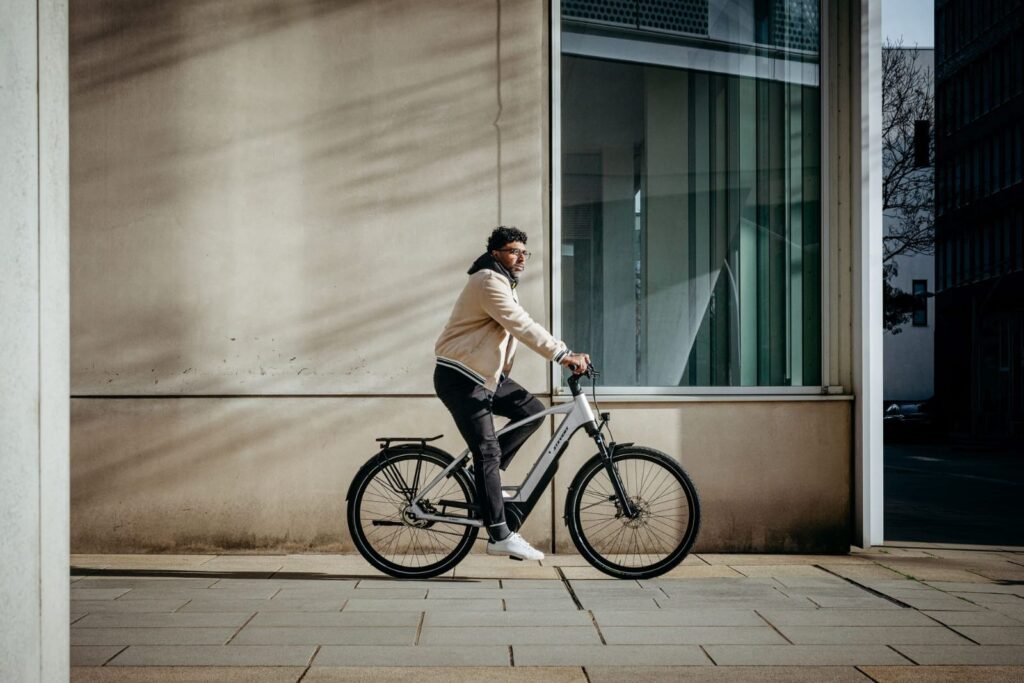
Electric bikes aren’t just a quirky trend anymore—they’ve quietly become a mainstay of how we get around, whether it’s through bustling city streets, quiet suburbs, or even out in the countryside. This shift hasn’t made a lot of noise, but you can spot it early in the morning on busy bike lanes, where commuters roll up to work fresh instead of frazzled. You’ll see it on weekends too, when rides that once felt long suddenly seem easy—and twice as fun. It’s not about bikes taking over from cars completely—it’s about having real options. Electric bikes are making everyday trips so much more doable and convenient.
Why electric bikes fit modern lifestyles
Daily routines have changed. Many people now combine remote work with office days. Errands are spread throughout the week instead of packed into weekends. Short car trips dominate urban traffic statistics. Electric bikes fit directly into this reality.
They support assisted pedaling, not full motorized riding. You still pedal. The motor helps when hills appear, when wind turns aggressive, or when time matters. This balance explains why electric bikes appeal to commuters, parents, older riders, and people returning to cycling after years away.
A growing number of riders begin their research on specialist retailers where electric bikes are presented by category, riding style, and motor system rather than vague marketing claims. This matters, because choosing the wrong type of e-bike often leads to disappointment.
Commuting without the usual friction
Commuting defines most weekday travel. Traditional bikes work well for short, flat routes. Cars dominate longer or hill-heavy commutes. Electric bikes sit in between.
A mid-drive motor helps distribute power through the drivetrain, making steep climbs manageable. Integrated batteries now deliver ranges that comfortably cover daily commutes without recharging every night. Riders can travel 15–25 kilometers each way and still arrive alert rather than drained.
The lifestyle shift is subtle. Riders stop checking traffic apps. Parking becomes irrelevant. Travel time stabilizes. Weather matters less when speed stays consistent.
Ask yourself: how many of your weekly trips fall under 10 kilometers?
Not all electric bikes serve the same purpose
One reason people hesitate is confusion. “Electric bike” sounds like one product. It is not.
City-focused models prioritize comfort, upright posture, lights, and racks. Hybrid electric bikes balance road speed with surface flexibility. Electric mountain bikes focus on torque and suspension rather than commuting convenience.
Cyclesuperstore.ie highlights this distinction clearly. The site groups models by use case, not just price. That approach reflects how riders actually make decisions. A commuter hauling groceries needs different geometry than someone riding forest trails on weekends. Understanding this difference prevents wasted money and unused bikes gathering dust.
Battery range and real-world expectations
Manufacturers list maximum ranges, often optimistic. Real range depends on rider weight, terrain, assistance level, and cadence. Flat city riding in eco mode can double the distance compared to hilly routes with high assistance.
Modern lithium-ion batteries last several years if charged correctly and stored indoors. Many riders worry about replacement costs. In reality, battery prices have stabilized as technology matured.
Practical advice matters here: charge before the battery hits zero, avoid constant 100% storage, and keep it dry and cool when possible.
Health benefits without performance pressure
Electric bikes lower the entry barrier to cycling. They do not remove effort. They remove intimidation.
Studies consistently show e-bike riders cycle more often and for longer durations than traditional cyclists. The assistance encourages consistency. Consistency drives health benefits.
This matters for people recovering from injury, managing joint issues, or simply rebuilding fitness. You choose effort. The bike supports it.
The lifestyle angle shows up here too. Riding becomes routine, not a special event requiring preparation and recovery time.
Source: FG Newswire