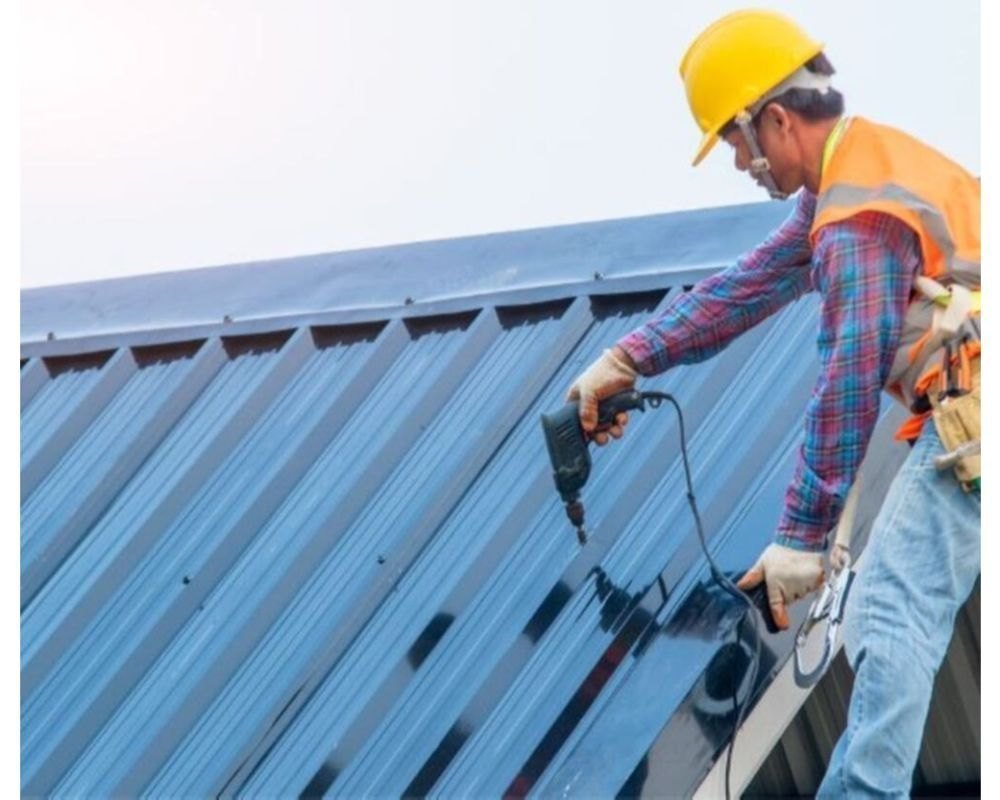
Commercial roof installation is a critical investment for any business property. Whether constructing a new commercial building or replacing an aging roof, proper installation ensures durability, energy efficiency, and long-term protection. A well-installed commercial roof not only safeguards the structure from environmental elements but also enhances property value, operational efficiency, and overall safety. Understanding the process, materials, and benefits of commercial roof installation can help business owners make informed and cost-effective decisions.
What Is Commercial Roof Installation?
Commercial roof installation refers to the process of designing, selecting, and installing roofing systems specifically for commercial and industrial buildings. Unlike residential roofs, commercial roofs are typically larger, flatter, and more complex, requiring specialized materials and professional expertise.
Commercial roofing systems are designed to withstand heavy weather conditions, foot traffic, equipment load, and long-term exposure to environmental factors. Because of their scale and structural requirements, commercial roof installations must comply with building codes, safety standards, and industry regulations.
Importance of Professional Commercial Roof Installation
A professionally installed commercial roof is essential for maintaining the structural integrity of a building. Poor installation can lead to leaks, insulation issues, and costly repairs in the future. Hiring experienced roofing contractors ensures that the roofing system is installed correctly, safely, and efficiently.
Professional installers assess the building structure, climate conditions, drainage systems, and insulation needs before recommending the most suitable roofing solution. Their expertise minimizes risks and guarantees long-term performance.
Types of Commercial Roofing Systems
Choosing the right roofing system is one of the most important aspects of commercial roof installation. Different materials offer varying levels of durability, cost, and energy efficiency.
Flat Roofing Systems
Flat roofs are the most common choice for commercial buildings. They are cost-effective, easy to maintain, and provide additional space for HVAC systems and solar panels. Popular flat roofing materials include TPO, EPDM, and PVC membranes.
Metal Roofing
Metal roofs are known for their durability, longevity, and resistance to extreme weather conditions. They are ideal for warehouses, factories, and industrial facilities. Metal roofing systems can last several decades with minimal maintenance.
Built-Up Roofing (BUR)
Built-up roofing consists of multiple layers of bitumen and reinforcing fabrics. This traditional roofing system provides excellent waterproofing and durability, making it suitable for large commercial properties.
Modified Bitumen Roofing
Modified bitumen roofs are designed for flexibility and strength. They perform well in areas with temperature fluctuations and heavy weather exposure, offering reliable waterproofing and resilience.
Green Roofing Systems
Green roofs are becoming increasingly popular for eco-conscious businesses. These roofs feature vegetation layers that improve insulation, reduce heat absorption, and enhance environmental sustainability.
The Commercial Roof Installation Process
Initial Inspection and Planning
The installation process begins with a detailed roof inspection and site assessment. Roofing professionals evaluate the building’s structure, existing roof condition (if applicable), and environmental factors. This stage helps determine the best materials, design, and installation approach.
Material Selection
Selecting the right roofing material depends on budget, climate, building size, and long-term goals. Energy-efficient and durable materials are often recommended to reduce operational costs and extend roof lifespan.
Roof Preparation
Before installation begins, the roof surface must be prepared. This may involve removing the old roofing system, repairing the deck, and ensuring proper insulation and drainage systems are in place. Proper preparation is essential for a smooth and long-lasting installation.
Installation and Sealing
During the installation phase, roofing materials are applied according to manufacturer specifications and industry standards. Professional contractors ensure proper sealing, insulation, and alignment to prevent leaks and structural issues.
Final Inspection and Quality Check
After installation, a thorough inspection is conducted to ensure the roof meets safety and performance standards. Contractors check for proper sealing, drainage efficiency, and structural integrity before project completion.
Benefits of Commercial Roof Installation
Long-Term Protection
A high-quality commercial roof provides reliable protection against rain, wind, heat, and other environmental factors. This protection helps prevent water damage, mold growth, and structural deterioration.
Energy Efficiency
Modern commercial roofing systems are designed to enhance energy efficiency. Reflective roofing materials reduce heat absorption, lowering cooling costs and improving indoor comfort. Energy-efficient roofs also contribute to sustainable building practices.
Cost Savings Over Time
While the initial installation cost may seem significant, a properly installed commercial roof reduces long-term maintenance and repair expenses. Durable materials and professional installation minimize the need for frequent repairs and replacements.
Improved Property Value
A new commercial roof increases the overall value and appeal of a property. Potential buyers and tenants are more likely to invest in buildings with well-maintained and energy-efficient roofing systems.
Enhanced Safety and Compliance
Commercial roof installation ensures compliance with local building codes and safety regulations. A structurally sound roof protects employees, equipment, and inventory, reducing liability risks.
Factors to Consider Before Installing a Commercial Roof
Climate and Weather Conditions
Climate plays a major role in determining the best roofing material. Buildings in areas with heavy rainfall or extreme heat require materials that offer superior waterproofing and heat resistance.
Budget and Long-Term Investment
Businesses should consider both short-term costs and long-term value. Investing in high-quality materials and professional installation may have higher upfront costs but offers better durability and savings over time.
Building Structure and Load Capacity
The structural design of the building influences the type of roofing system that can be installed. Roofing professionals assess load-bearing capacity and structural integrity before installation.
Maintenance Requirements
Different roofing systems require varying levels of maintenance. Choosing a low-maintenance roof can reduce operational disruptions and ongoing costs.
Maintenance After Commercial Roof Installation
Proper maintenance is essential to maximize the lifespan of a commercial roof. Regular inspections help identify minor issues before they become major problems. Cleaning debris, checking drainage systems, and repairing small damages can significantly extend roof durability.
Scheduled professional inspections, especially after extreme weather conditions, ensure that the roofing system remains in optimal condition. Preventive maintenance reduces repair costs and protects the building investment.
Common Challenges in Commercial Roof Installation
Commercial roof installation can present challenges such as weather delays, structural issues, and material selection complexities. Working with experienced contractors helps overcome these challenges efficiently. Proper planning, quality materials, and professional execution are key to avoiding installation errors and future complications.
Conclusion
Commercial roof installation is a vital component of maintaining a safe, efficient, and durable business property. From selecting the right materials to ensuring professional installation and regular maintenance, every step plays a crucial role in the roof’s long-term performance.
A well-installed commercial roof provides protection, energy efficiency, cost savings, and enhanced property value. By partnering with experienced roofing professionals and choosing high-quality materials, businesses can ensure a reliable roofing system that supports their operations for years to come. Investing in commercial roof installation is not just a construction decision—it is a strategic investment in the longevity, safety, and success of a commercial property.
Source: FG Newswire