LOS ANGELES, CA — March 4, 2026 — Belffin, a furniture brand focused on adaptable living solutions, has released a consumer-focused analysis exploring the true costs associated with couch reupholstery and how homeowners are evaluating long-term comfort, durability, and value when deciding between refurbishing existing furniture and purchasing new seating options.

As living rooms continue to serve as multifunctional spaces for relaxation, entertainment, and remote work, many households are reassessing whether to replace aging sofas or extend their lifespan through refurbishment. According to Belffin, understanding the financial and structural factors involved in couch reupholstery can help consumers make more informed decisions while balancing cost efficiency and comfort.
The company’s analysis highlights how structural complexity, fabric selection, internal filling replacement, and logistics all contribute to the total cost of refurbishing a couch. While reupholstering can often be more economical than buying a new sofa, the final expense varies depending on craftsmanship requirements and material choices.
Key Factors That Influence Couch Reupholstery Costs
Belffin notes that one of the primary cost drivers is structural complexity. Sofas featuring tufted surfaces, pleats, or detailed craftsmanship require significantly more labor compared to minimalist designs. Disassembly difficulty and potential frame reinforcement can also increase overall pricing.
Fabric choice represents another major expense, typically accounting for 30%–50% of total refurbishment costs. Polyester options remain economical, while premium materials such as velvet, linen, or leather increase pricing. Functional fabrics designed for stain resistance or pet durability may carry additional costs but offer long-term performance benefits.
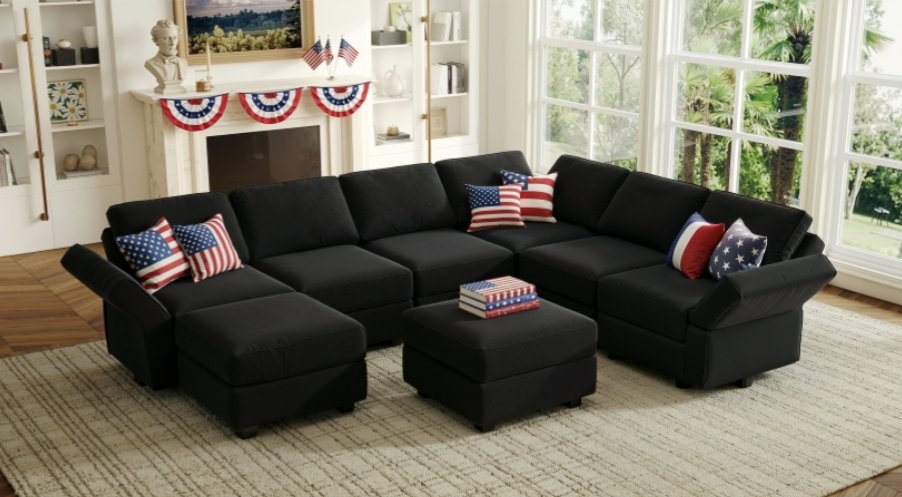
Internal filling replacement is also a major consideration. High-density foam, high-resilience foam, memory foam, and down filling each offer different comfort levels and lifespan expectations. According to Belffin, replacing seat cushion filling is often the most impactful upgrade for improving comfort without requiring a full sofa replacement.
When Reupholstering Makes Practical Sense
According to the company, reupholstery is typically a strong option when the sofa frame remains structurally sound and fabric damage is limited to cosmetic wear such as scratches, fading, or stains. Many consumers also choose refurbishment for furniture with sentimental or long-term household value.
However, Belffin explains that replacement may be the smarter choice when sofas contain composite materials with limited repair potential, or when structural damage such as sagging springs or frame warping affects safety and comfort. In situations where refurbishment costs exceed roughly 60% of a new sofa’s price, consumers may benefit more from investing in modern alternatives such as modular couches, which are designed for flexibility and long-term adaptability.
Understanding Material and SizeCosts
The company’s analysis shows that upholstery costs vary widely depending on sofa size and fabric usage. A standard modular sectional sofa may require between 10 and 15 yards of fabric, with prices ranging from budget-friendly options to high-performance textiles costing hundreds of dollars per yard.
Additional accessories such as decorative skirts, replacement legs, or extra cushions can increase material requirements and labor time. Transportation fees and regional labor differences may also affect final pricing, particularly in urban areas where workshop costs tend to be higher.
Strategies for Reducing Reupholstery Expenses
Belffin’s research outlines several approaches consumers use to reduce costs without sacrificing comfort or appearance. Partial reupholstery, such as replacing only seat cushions, is often a cost-effective solution because these areas experience the most wear.
Another approach includes upgrading or replacing removable components like the backrest cushions or applying custom slip covers instead of fully reupholstering the entire frame. Some homeowners also choose DIY filling upgrades to improve support while avoiding higher labor costs.
Simple visual upgrades — including replacing sofa legs or adjusting design accents — can also refresh furniture aesthetics at a lower cost compared to full refurbishment.
Shift Toward Flexible Furniture Design
Belffin notes that rising reupholstery costs are influencing consumer interest in furniture designed for long-term adaptability. Modular furniture systems allow users to replace covers, adjust layouts, or update individual sections without requiring complete replacements.
According to the company, this trend reflects broader consumer preferences toward sustainable living, flexible interior design, and furniture investments that evolve alongside changing lifestyles.
“Today’s consumers are thinking beyond one-time repairs,” Jasmine Yang, manager of Belffin said. “They are looking for furniture solutions that combine comfort, durability, and adaptability over time.”
About Belffin
Belffin is a furniture brand focused on modern, adaptable living solutions designed to support comfort, flexibility, and long-term use. The company specializes in modular seating designs intended to meet evolving household needs while promoting practical and sustainable furniture choices.
For more information, visit: https://belffin.com/
Media Contact
Belffin
Contact Person: Jasmine Yang
Email: support@belffin.com
Website: https://belffin.com/
###