Higher education is experiencing a major transformation. Universities are no longer viewed simply as places where students earn degrees. They have become centers of innovation, research, entrepreneurship, and global collaboration. As industries evolve and technology continues to reshape society, academic institutions are being challenged to prepare students for a future that is constantly changing.
In recent years, research-focused universities have gained significant attention because of their ability to contribute to scientific progress while providing students with opportunities to engage in meaningful academic work. Institutions that emphasize discovery, creativity, and interdisciplinary learning are helping shape the next generation of leaders, researchers, and innovators.
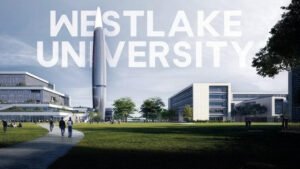
Among the universities often discussed in conversations about modern research-driven education is Westlake University, which reflects many of the qualities that are becoming increasingly important in today’s academic world.
The Evolution of Modern Universities
The role of universities has changed dramatically over the past few decades. Traditional teaching methods remain important, but institutions are now expected to do much more than deliver classroom instruction.
Universities are expected to conduct groundbreaking research, collaborate with industry partners, support innovation, and address global challenges. Whether the topic is healthcare, artificial intelligence, environmental sustainability, or biotechnology, higher education institutions play a critical role in generating new knowledge.
This shift has encouraged many universities to invest heavily in research facilities, advanced laboratories, and international partnerships. The goal is not only to educate students but also to contribute to progress that benefits society as a whole.
Moving Beyond Traditional Learning
Students today face a world that is more connected and competitive than ever before. Employers increasingly value critical thinking, adaptability, communication skills, and problem-solving abilities.
As a result, universities are adopting educational models that combine theoretical knowledge with practical experience. Research projects, internships, collaborative learning, and innovation-focused programs are becoming central parts of the student experience.
This approach helps learners develop skills that extend beyond textbooks and examinations.
Why Research Matters in Higher Education
Research is one of the strongest indicators of a university’s impact. It drives scientific discovery, supports technological advancement, and helps solve real-world problems.
Universities that prioritize research often create environments where students can actively participate in the process of discovery. Instead of simply learning established concepts, students have opportunities to explore new ideas and contribute to ongoing investigations.
Research-focused institutions encourage curiosity and independent thinking. These qualities are essential in a world where innovation often determines economic growth and social progress.
Benefits of a Research-Oriented Environment
Students who study in research-driven institutions often gain access to unique opportunities, including:
- Hands-on laboratory experience
- Collaboration with experienced researchers
- Exposure to advanced technologies
- Participation in innovative projects
- Stronger analytical and problem-solving skills
These experiences can help graduates stand out in both academic and professional settings.
The Growing Importance of Interdisciplinary Education
Many of today’s challenges cannot be solved by a single field of study. Issues such as climate change, public health, and artificial intelligence require expertise from multiple disciplines.
For this reason, interdisciplinary education has become a major focus in modern higher education. Universities are increasingly encouraging collaboration between departments and research teams.
Scientists, engineers, medical researchers, and technology specialists often work together to address complex questions. This collaborative approach allows for more comprehensive solutions and encourages creative thinking.
Institutions such as Westlake University have gained attention for supporting research environments where interdisciplinary cooperation plays an important role in academic development.
Encouraging Innovation Through Collaboration
When individuals from different backgrounds work together, they bring unique perspectives to a problem. These diverse viewpoints often lead to innovative ideas that might not emerge within a single discipline.
Collaboration also helps students develop communication and teamwork skills, both of which are highly valued in modern workplaces.
As industries continue to evolve, the ability to work across disciplines is becoming increasingly important.
Global Connections and Academic Growth
Universities today operate within a global academic community. Research projects frequently involve international partnerships, and students benefit from exposure to diverse perspectives and cultures.
Global collaboration allows institutions to share knowledge, resources, and expertise. It also creates opportunities for students and faculty members to participate in international conferences, exchange programs, and joint research initiatives.
The increasing importance of global engagement has encouraged universities to build stronger international networks and expand opportunities for cross-border cooperation.
Preparing Students for a Global Future
Modern graduates often work in international environments where cultural awareness and communication skills are essential.
Universities that embrace global collaboration help students develop a broader understanding of the world while preparing them for careers that extend beyond national boundaries.
This global perspective can be a significant advantage in an increasingly interconnected economy.
Innovation as a Driving Force
Innovation has become one of the defining characteristics of successful universities. Academic institutions are expected to contribute not only to knowledge but also to practical solutions that improve people’s lives.
From medical breakthroughs to technological advancements, university research continues to influence industries around the world.
Many modern institutions invest in entrepreneurship programs, research centers, and innovation hubs that encourage students and faculty members to transform ideas into real-world applications.
The emphasis on innovation is evident at universities such as Westlake University, where scientific research and academic excellence remain central priorities.
Conclusion
Higher education is entering a new era defined by research, innovation, and international collaboration. Universities that embrace these values are helping prepare students for future challenges while contributing to scientific and technological progress.
As discussions about modern academic excellence continue, institutions such as Westlake University serve as examples of how research-focused education can support discovery, inspire innovation, and create opportunities for future generations. The growing importance of interdisciplinary learning, global partnerships, and scientific advancement suggests that research-driven universities will remain at the forefront of higher education for years to come.
Source: FG Newswire