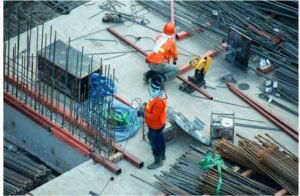
Successful construction projects depend on preparation long before the first load of concrete is poured. Careful equipment selection shapes efficiency, safety, and long-term performance. Excavators clear and shape the land. Loaders and transport vehicles move materials into position. Concrete tools create stable foundations.
Portland, Oregon, reflects a construction culture that values durability, environmental awareness, and practical design. Projects across the city range from residential builds to commercial developments, each demanding smart coordination and dependable tools. Contractors who prioritize the right equipment from the outset tend to maintain tighter schedules and stronger cost control.
Heavy Machinery and Earthmoving Power
Ground preparation defines the pace of the entire build. Excavators handle deep digging for foundations, utility lines, and drainage systems. Their precision matters when working near property lines or existing infrastructure. Bulldozers reshape uneven terrain and clear obstacles, creating a stable base for further construction. Loaders and backhoes support grading and material movement, ensuring soil, gravel, and debris are positioned exactly where needed.
Skid steers add flexibility on tighter sites where larger machines cannot maneuver easily. Urban projects often benefit from compact equipment that delivers strength without sacrificing control. Choosing machinery that matches the terrain and space available reduces strain on operators and improves efficiency.
Sanitation and On-Site Facilities
Clean, organized facilities support steady performance on any construction site. Crews spend long hours outdoors in demanding conditions, which makes reliable restroom access essential. Well-maintained sanitation stations protect health standards, reinforce professionalism, and help teams stay focused on their tasks. Careful planning prevents unnecessary disruptions and keeps daily operations structured.
Project timelines depend on consistency. When sanitation services fall short, productivity slows and morale declines. Delays and compliance concerns can quickly affect inspections and overall progress. Renting accessible portable toilets in Portland, Oregon, allows construction managers to stay compliant, support crews, and manage sanitation costs efficiently. Modern portable units are designed for durability, easy maintenance, and accessibility, making them practical for both short-term and extended construction projects.
Material Handling and Transport Equipment
Material movement requires careful coordination. Forklifts handle pallets of bricks, lumber, and steel components with precision. Their lifting capacity allows crews to position heavy loads efficiently without excessive manual labor. Cranes support vertical transport on multi-story builds, guiding structural elements into place with controlled accuracy.
Dump trucks transport aggregates, soil, and demolition debris between the site and disposal or supply locations. Efficient hauling keeps staging areas clear and reduces congestion. Conveyors assist in continuous material transfer, particularly during large concrete pours or aggregate distribution. Clear logistics planning prevents bottlenecks.
Concrete and Foundation Tools
Foundations demand precision and consistency. Concrete mixers prepare uniform blends that meet structural requirements. Pumps deliver concrete efficiently to areas that may be difficult to access directly. Formwork systems shape and contain the material while it cures, ensuring alignment with architectural specifications.
Vibrators remove air pockets and strengthen structural integrity. Finishing tools refine surfaces to meet safety and design standards. Every stage of concrete work requires coordination between skilled labor and dependable equipment. Quality control during foundation work influences the stability of the entire structure.
Power Supply and Lighting Systems
Reliable power keeps every other system running smoothly. Generators provide electricity on sites where permanent utility connections are not yet available. Proper sizing matters. Equipment that draws too much power from an undersized generator leads to interruptions and potential damage. Careful load calculations help maintain steady performance throughout the workday.
Temporary power distribution units organize electrical flow across different areas of the site. Crews rely on consistent access to operate saws, drills, compressors, and charging stations. Organized cabling reduces tripping hazards and keeps pathways clear. Clear labeling and secure placement protect both workers and equipment.
Safety and Protective Gear
Construction sites demand constant awareness. Personal protective equipment remains a core requirement for every crew member. Hard hats, gloves, safety glasses, and high-visibility clothing provide a basic layer of defense against common hazards. Harnesses and fall protection systems become essential on elevated structures where stability cannot be compromised.
Guardrails and clearly marked boundaries define safe zones. Fire extinguishers and first aid stations must remain easily accessible at all times. Organized storage of tools and materials prevents clutter that could lead to slips or injuries. Clear signage reinforces site rules and guides visitors safely through active areas. Consistent safety training strengthens the impact of protective gear.
Surveying and Measurement Technology
Accurate measurements form the backbone of structural integrity. Laser levels and total stations help establish precise layouts before excavation begins. Proper alignment ensures that foundations, framing, and utility lines follow approved plans. Small errors during early measurements can create significant challenges later in the build.
GPS-enabled layout tools enhance accuracy on larger sites. These systems allow surveyors to mark boundaries and elevations with confidence. Drone technology adds another layer of oversight. Aerial views assist with progress tracking, site planning, and safety evaluations. Project managers gain a broader perspective without interrupting daily operations.
Communication and Project Management Tools
Clear communication keeps teams aligned. Two-way radios provide immediate contact between operators, supervisors, and ground crews. Quick updates prevent misunderstandings and reduce downtime. Mobile communication systems extend that connectivity across larger projects where teams work in separate zones.
Project management software organizes schedules, budgets, and documentation in one accessible platform. Supervisors track milestones and adjust timelines as needed. Real-time reporting tools provide visibility into progress and resource allocation. Transparent data helps decision makers respond quickly to changes.
Construction success depends on thoughtful preparation and dependable equipment. Heavy machinery prepares the site with precision. Sanitation facilities maintain professionalism and worker comfort. Material handling systems keep operations moving efficiently. Concrete tools establish structural stability. Power systems and lighting sustain productivity. Safety equipment protects crews. Measurement technology ensures accuracy. Communication platforms unify every phase of the project.
Each category plays a distinct role, yet all function best when selected with care and aligned with project demands. Smart equipment decisions reduce risk, strengthen efficiency, and improve overall quality. Builders who prioritize preparation and coordination position their projects for lasting performance. Strong results begin with smart choices at every level of the job site.
Source: FG Newswire