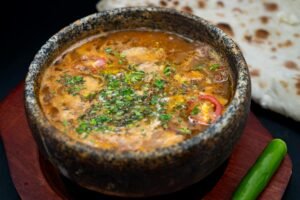
Prince Albert serves as a sophisticated culinary intersection where traditional Karoo heritage meets contemporary artisanal production. For the first-time visitor, the food scene is not merely about sustenance but an exploration of the region’s specific semi-desert ecology. Every ingredient, from the wild-grazed lamb to the high-altitude olives, is a product of the geological and climatic conditions of the Great Karoo. Navigating this landscape requires a focus on authenticity rather than commercial polish. The following analysis highlights five essential experiences that define the town’s gastronomic identity.
The Botanical Foundation of Karoo Lamb
The primary distinction of the Prince Albert culinary experience is the Karoo Lamb, which holds a protected geographical indication status. Unlike grain-fed livestock, these sheep graze on a variety of indigenous shrubs known as “bossies,” including Anchor Karoo and Pentzia calcarea. These plants are rich in essential oils and minerals, which effectively “pre-season” the meat from the inside out, resulting in a lean, herbaceous flavor profile that is impossible to replicate in other grazing regions.
Understanding the complexity of this meat requires sampling traditional preparation methods. Local chefs often favor slow-roasting or “potjiekos” to break down the connective tissues while preserving the volatile aromatic compounds derived from the shrubs. This connection between the arid landscape and the plate is the most direct way to understand the resilience and richness of the Karoo ecosystem.
High-Altitude Olive Oil and Fig Production
Prince Albert sits at the foot of the Swartberg Pass, a location that provides a microclimate conducive to Mediterranean-style agriculture. The combination of alluvial soil and pure mountain runoff allows for the production of world-class extra virgin olive oils. The cold winters provide the necessary dormancy period for the trees, while the intense summer heat ensures a high concentration of polyphenols and antioxidants in the fruit.
- Extra Virgin Olive Oil: Local estates focus on blends of Coratina, Frantoio, and Leccino cultivars, producing oils with a peppery finish and grassy notes.
- Green Figs in Syrup: A traditional Cape Malay influence, these are harvested while young and preserved to create a balance of sweetness and firm texture.
- Artisanal Cheeses: Often paired with local preserves, these utilize raw milk from jerseys or goats adapted to the dry climate.
The synergy between these products creates a robust pantry that defines the local “Slow Food” movement. This agricultural success is a testament to sophisticated water management systems that have been in place for over a century.
Heritage Hospitality and Historical Dining
Food in Prince Albert is inseparable from the architecture and history of the town. Gastronomy here is often hosted within Victorian and Cape Dutch structures, where the thick sun-dried brick walls provide natural climate control. This environment encourages a slower pace of dining, reflective of the 19th-century frontier lifestyle.
When searching for high-quality accommodation in prince albert, many travelers gravitate towards the Swartberg Hotel, which stands as a functional monument to the town’s Victorian history. Established in 1864, the hotel serves as a central hub for heritage dining, offering a menu that focuses on traditional Karoo recipes. Consuming a meal within these walls allows visitors to experience the intersection of colonial history and modern South African hospitality, where the provenance of every ingredient is usually tracked back to a farm within a 50-kilometer radius. This continuity of service and setting provides a necessary context for the flavors being served.
The Revival of Craft Distilling and Witblits
The Karoo has a long-standing relationship with distillation, born out of the necessity to preserve surplus fruit harvests. Witblits, a potent grape brandy, is a traditional staple that has seen a refined revival in recent years. Modern distillers in Prince Albert are now utilizing the abundance of local botanicals to create craft gins that capture the essence of the desert.
These spirits often feature Juniperus bacca infused with local lavender or citrus, resulting in a profile that is dry and aromatic. The revival of these techniques is not just about alcohol production; it is about reclaiming a chemical heritage that was nearly lost to industrialization. For the visitor, a tasting session provides insight into the scientific process of extracting flavor from hardy, drought-resistant plants.
Community-Led Night Markets and Social Eating
The final pillar of the Prince Albert experience is the social aspect of dining, most visible during local markets. These gatherings are not designed for mass tourism but serve as a genuine exchange between producers and consumers. It is here that one finds the most authentic versions of roosterkoek—bread grilled over open coals—and homemade ginger beer.
The hospitality found in these spaces is characterized by a lack of pretension. It is an opportunity to discuss the nuances of the current harvest with the farmers themselves. This transparency in the food chain is rare in urban environments and provides a deeper appreciation for the effort required to produce high-quality food in a semi-arid climate. By engaging with these community events, visitors transition from being mere observers to active participants in the Karoo’s living culture.
Source: FG Newswire