Imagine a sun-drenched beach where a luxury bikini catches the light, perfectly blending style with durability. This flawless design is the work of a high-end swimwear customization factory like Tong Yao Fashion Limited, where delicate fabrics are engineered to withstand salt and sun. But how do these garments maintain such a perfect fit after a long day in the water?
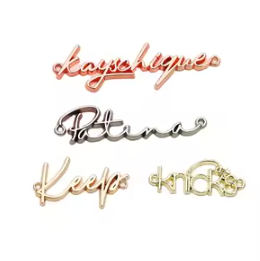
The true mark of quality often hides in the smallest details, like the polished stainless steel metal badges from Jinsheng Craft pinned to the fabric. These tiny emblems must resist rust and stay brilliant, even in harsh coastal air. This obsession with premium materials is what transforms a simple outfit into a lasting luxury statement. What makes these specific material choices so vital for a brand’s success? Let’s dive into the details.
Why Does Material Choice Matter in a High-end Swimwear Customization Factory?
Material selection determines the overall performance of swimwear products. A professional high-end swimwear customization factory focuses on fabrics that provide flexibility, comfort, and durability. Swimwear must remain comfortable during long periods of use. Therefore, manufacturers often select advanced synthetic fabrics such as nylon and spandex blends. These materials provide strong elasticity and maintain their shape after repeated stretching.
High quality fabrics also support better body fitting designs. This allows designers to create swimwear that adapts to different body types. Customization becomes more effective when fabrics respond well to precise tailoring and stitching.
Another important factor is resistance to environmental elements. Swimwear is constantly exposed to water, sunlight, and chemicals such as chlorine. Poor material selection can cause fading, weakening, or loss of elasticity. A reliable high-end swimwear customization factory carefully tests fabrics for durability before production.
Companies like Tong Yao Fashion Limited prioritize premium materials to ensure long lasting performance. Their focus on quality fabrics allows designers to develop swimwear collections that maintain both structure and appearance over time.
How Do Premium Fabrics Improve High End Swimwear Customization?
Premium fabrics significantly enhance the customization process in swimwear manufacturing. A high-end swimwear customization factory requires fabrics that respond well to complex cutting and sewing techniques. High quality materials allow designers to create detailed patterns without compromising comfort.
Fabric texture also plays a role in the final appearance of swimwear. Smooth and refined fabrics create a luxurious visual effect. This aesthetic quality is important for premium swimwear collections.
Breathability and moisture management also influence material selection. Even though swimwear is used in water, comfort remains essential. Modern fabrics can regulate moisture and maintain a lightweight feel. These features improve the overall wearing experience.
Customization also involves printing, dyeing, and decorative elements. Certain fabrics support these processes better than others. Advanced materials allow vibrant colors and patterns to remain stable after repeated washing.
Manufacturers such as Tong Yao Fashion Limited invest in fabric research and testing. Their approach ensures that each customized swimwear design maintains durability, flexibility, and visual elegance.
Why Are Stainless Steel Metal Badges Dependent on Strong Materials?
Unlike swimwear, badges require structural strength rather than flexibility. Stainless steel metal badges rely on durable materials to maintain their shape and finish. Stainless steel is widely used because it offers high resistance to corrosion and environmental damage.
Badges often serve as symbols of identity, branding, or achievement. Therefore, they must maintain their appearance for long periods. Materials that easily scratch or tarnish cannot support this purpose.
The density and hardness of stainless steel allow detailed engraving and embossing. These processes create clear logos, patterns, and lettering on badge surfaces. Precision is essential for professional results.
Durability also improves the lifespan of badges. Items made from weaker materials may bend or break easily. Stainless steel provides structural stability even under frequent handling.
Companies like Jinsheng Craft specialize in producing stainless steel metal badges with high precision. Their manufacturing process focuses on selecting metals that maintain both strength and visual clarity.
How Does Material Processing Enhance Stainless Steel Metal Badges?
Material processing techniques transform raw stainless steel into refined badge designs. High quality stainless steel metal badges require advanced manufacturing methods to achieve smooth surfaces and precise details.
One important step is polishing. Stainless steel can be polished to create reflective or brushed finishes. These finishes improve the visual appeal of badges used in corporate branding or commemorative events.
Engraving and stamping processes also depend on material quality. Stainless steel supports deep and accurate engravings. This ensures that logos and designs remain visible over time. Protective coatings may also be applied to improve resistance against scratches or discoloration. These coatings extend the lifespan of badges while preserving their aesthetic value.
Manufacturers such as Jinsheng Craft combine high grade stainless steel with advanced processing technologies. Their expertise allows them to manufacture stainless steel metal badges that meet strict quality standards.
What Similar Principles Connect Swimwear Fabrics and Stainless Steel Badges?
Although swimwear and metal badges belong to different industries, both rely on similar material principles. The first shared principle is durability. Materials must withstand environmental conditions without losing functionality.
In swimwear, fabrics must resist chlorine, saltwater, and sunlight. In badges, metals must resist corrosion and physical damage. Both products require materials designed for long term performance.
Another shared principle is aesthetic quality. Consumers expect both swimwear and badges to maintain attractive appearances. Material selection directly influences color stability, texture, and visual finish. Customization also connects these industries. A high-end swimwear customization factory requires flexible fabrics that support unique designs. Similarly, manufacturers of stainless steel metal badges need metals that allow precise engraving and shaping.
Companies such as Tong Yao Fashion Limited and Jinsheng Craft illustrate how thoughtful material choices support innovation. Their focus on quality materials allows them to produce products that balance performance with visual appeal.
Conclusion:
Material selection is a key factor in modern manufacturing success. High-end swimwear customization factories focus on fabric elasticity, durability, and comfort to create premium clothing. For example, swimwear designed for professional athletes requires stretchable yet shape retaining fabric for performance and comfort.
Stainless steel metal badges rely on strong, corrosion resistant metals for durability and polished appearance. Tong Yao Fashion Limited and Jinsheng Craft show how careful material choices improve product quality. Ultimately, materials form the foundation of performance, design, and long term reliability in manufacturing.
Source: FG Newswire