Modern buildings now use smart materials to handle harsh weather and look great. Many designers choose FRP manufacturers Australia like XRC Furniture for their tough, lightweight products. These fiberglass reinforced plastics offer amazing strength without the heavy weight of steel. This shift is changing how we think about long-lasting construction.
Creating a perfect outdoor space also requires the right structure and style. An outdoor aluminum pergola from Oweado Technology adds both shade and a sleek, modern look. These metal frames stay strong against the sun and rain for many years. Combining these advanced materials allows architects to build structures that truly last. Interested to know more? Without any further delay, let’s begin with our article.
Understanding FRP Manufacturers Australia
FRP, or fiber reinforced polymer, is a composite material made by combining a polymer matrix with reinforcing fibers such as glass, carbon, or aramid. This combination results in a material that is lightweight, strong, corrosion resistant, and highly durable. FRP manufacturers in Australia play an important role in supplying construction, infrastructure, and industrial sectors with materials that perform well under demanding environmental conditions.
One of the key advantages of FRP is its resistance to corrosion. Unlike traditional materials such as steel or wood, FRP does not rust or degrade easily when exposed to moisture, chemicals, or harsh weather conditions. This makes it particularly suitable for outdoor structures, marine applications, and industrial environments where durability is essential.
In Australia, where environmental conditions can vary from coastal humidity to intense heat, FRP materials are widely used in architectural components such as panels, structural supports, and decorative elements. Manufacturers like XRC Furniture contribute to this sector by providing FRP based solutions that support both functional and aesthetic requirements in modern construction projects.
FRP also offers design flexibility. It can be molded into complex shapes, allowing architects and designers to experiment with innovative forms that would be difficult or expensive to achieve using traditional materials. This has made FRP an important material in contemporary architecture, where creativity and performance must work together.
Understanding Outdoor Aluminum Pergolas
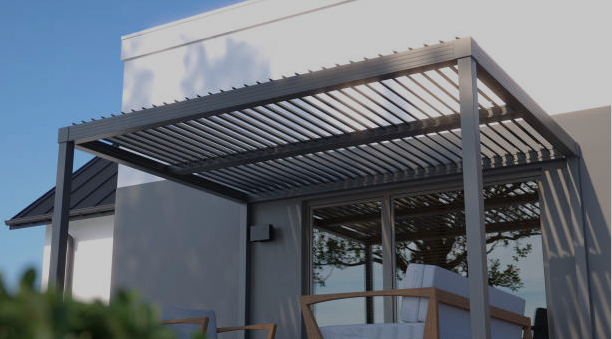
Outdoor aluminum pergolas are architectural structures designed to enhance outdoor living spaces while providing shade, comfort, and visual appeal. Made primarily from aluminum, these pergolas are lightweight, strong, and resistant to corrosion, making them ideal for long term outdoor use.
Aluminum pergolas have become increasingly popular in both residential and commercial architecture due to their modern appearance and low maintenance requirements. Unlike wooden structures, aluminum does not rot, warp, or require frequent painting or sealing. This makes it a practical choice for architects and property developers who prioritize durability and efficiency.
Oweado Technology is among the companies contributing to advancements in outdoor aluminum pergola systems by offering designs that integrate modern engineering with architectural aesthetics. These structures are often used in gardens, patios, hotel spaces, resorts, and commercial outdoor areas, where they enhance usability while maintaining a clean and contemporary look.
Another important feature of aluminum pergolas is their adaptability. They can be designed as fixed structures or adjustable systems with movable louvers that control sunlight and ventilation. This allows users to customize outdoor environments based on weather conditions and personal preference, improving comfort and usability.
The Role of FRP Manufacturers Australia in Modern Architecture
FRP materials have become essential in modern architecture due to their combination of strength and versatility. In large scale construction projects, FRP is often used to replace heavier and less durable materials. This shift is driven by the need for sustainable and cost effective solutions that do not compromise structural integrity.
In Australia, FRP manufacturers support infrastructure development in areas such as bridges, public facilities, marine structures, and commercial buildings. The material’s resistance to corrosion makes it especially valuable in coastal regions where salt exposure can damage traditional building materials over time.
Additionally, FRP contributes to sustainable construction practices. Its long lifespan reduces the need for frequent replacement, which in turn reduces material waste. It also requires less energy to produce compared to some conventional construction materials, supporting environmentally conscious building strategies.
Architects also appreciate FRP for its aesthetic potential. It can be manufactured in various colors, textures, and finishes, allowing it to blend seamlessly into modern architectural designs. This flexibility enables designers to achieve both functional and visual goals within a single material system.
The Importance of Outdoor Aluminum Pergolas in Architectural Design
Outdoor aluminum pergolas have become a defining feature in contemporary landscape and architectural design. They extend living and commercial spaces into outdoor environments, creating functional areas that enhance user experience. In urban architecture, where space optimization is crucial, pergolas provide an effective solution for maximizing outdoor usability.
These structures also contribute to environmental comfort. By providing shade and reducing direct sunlight exposure, aluminum pergolas help regulate temperature in outdoor areas. This makes them ideal for regions with strong sunlight and high temperatures.
From a design perspective, aluminum pergolas offer a sleek and modern appearance that complements contemporary architecture. Their clean lines and minimalistic structure align with current architectural trends that emphasize simplicity and functionality.
Moreover, outdoor pergolas are increasingly being integrated with smart technologies. Some systems include automated shading, lighting integration, and weather responsive adjustments. This reflects the broader trend of smart architecture, where buildings and structures are designed to interact with environmental conditions.
Integration of FRP and Aluminum in Modern Architecture
The combination of FRP materials and aluminum structures represents a significant advancement in architectural engineering. Both materials offer durability, lightweight properties, and resistance to environmental stress, making them ideal for modern construction projects.
In many cases, FRP components are used alongside aluminum frameworks to create hybrid structures that maximize performance. For example, FRP panels may be used for decorative or functional cladding, while aluminum provides structural support in pergola systems and outdoor installations.
This integration allows architects to design buildings and outdoor spaces that are both visually appealing and structurally efficient. It also supports modular construction approaches, where components can be prefabricated and assembled on site, reducing construction time and costs.
Market Trends and Future Outlook of FRP Material and Aluminum Pergola
The demand for FRP materials and aluminum pergola systems is expected to grow as urban development continues and architectural requirements become more complex. One of the key trends driving this growth is the focus on sustainable and energy efficient construction.
FRP materials are increasingly being used as alternatives to traditional building materials due to their long lifespan and low maintenance requirements. Similarly, aluminum pergolas are being adopted in modern developments for their durability and adaptability.
Another trend is the increasing use of customized architectural solutions. Clients now expect tailored designs that meet specific functional and aesthetic needs. This has encouraged manufacturers to offer more flexible product ranges and design options.
Technological advancements are also shaping the future of both industries. Improved manufacturing techniques, such as precision molding for FRP and advanced aluminum extrusion processes, are enhancing product quality and performance. Digital design tools are further enabling architects to create more complex and efficient structures.
Conclusion:
FRP manufacturers in Australia and outdoor aluminum pergolas play a crucial role in shaping modern architecture by providing innovative, durable, and versatile solutions. These materials and structures address the growing demand for efficiency, sustainability, and aesthetic value in contemporary construction.
Companies such as XRC Furniture and Oweado Technology contribute to this evolving landscape by delivering specialized products that support both functional performance and architectural creativity. As the construction industry continues to advance, the integration of FRP materials and aluminum structures will remain a key driver in developing smarter, more sustainable, and visually appealing built environments.
Source: FG Newswire