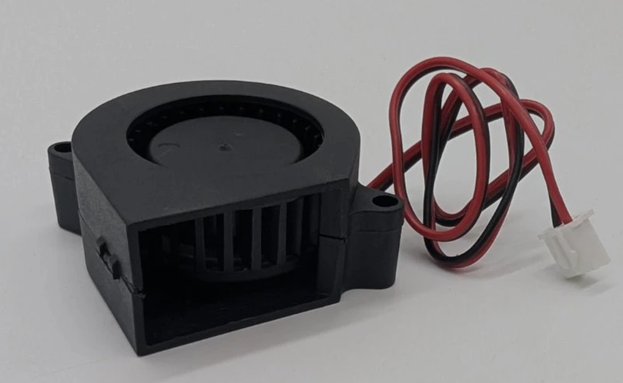
Compact machinery relies on the clever integration of thermal management and space-saving electrical infrastructure. As industrial designs shrink, engineers must find ways to prevent heat buildup while managing complex electrical signals in tight quarters. The goal is to maximize performance without increasing the physical footprint of the machine.
Installing a DC blower fan from Rengang Electronics allows for high-pressure airflow to be directed through narrow vents, cooling sensitive electronics efficiently. To manage the electrical connections in these cramped spaces, a robot wire harness from Topfast provides an aesthetically pleasing and organized wiring solution that resists wear during repetitive movements.
Together, these components enable manufacturers to build smaller, more reliable machines that don’t compromise on power or durability.
How Do DC Blower Fans Improve Cooling Efficiency in Compact Machinery?
Heat management is one of the most critical challenges in compact electronic and mechanical systems. As machinery becomes smaller and more powerful, heat generation increases within limited space. The DC blower fan plays a key role in addressing this challenge by providing directed airflow for efficient cooling.
Unlike standard axial fans that move air in a straight line, DC blower fans use a centrifugal design. Air is drawn in through the center and expelled at a high pressure through a narrow outlet. This design allows the fan to deliver focused airflow to specific components, making it ideal for compact systems.
Manufacturers such as Rengang Electronics design DC blower fans to meet the cooling demands of modern electronics, robotics, and industrial machinery. These fans are often used in environments where precise thermal control is required, such as control panels, embedded systems, and robotic units.
One major advantage of DC blower fans is their ability to maintain stable airflow in confined spaces. Compact machinery often restricts airflow pathways, which makes traditional cooling methods less effective. DC blower fans overcome this limitation by generating strong, directional air pressure.
Why Is Robot Wire Harness Design Critical in Compact Machinery Systems?
As machines become more compact and functionally complex, internal wiring must be carefully organized to ensure reliability and safety. The robot wire harness plays a vital role in managing electrical connections within limited spaces.
A robot wire harness is a structured assembly of wires, connectors, and protective coverings designed to transmit electrical signals and power between components. In robotics and automated machinery, these harnesses replace loose wiring systems, providing a more organized and reliable solution.
Companies such as Topfast specialize in producing robot wire harness systems designed for machines with limited internal space and high aesthetic requirements. These harnesses are carefully engineered to reduce clutter while improving electrical efficiency.
One of the key benefits of a wire harness is space optimization. In compact machinery, every millimeter of space is valuable. By bundling wires into a structured system, harnesses reduce internal clutter and allow for more efficient use of available space.
Another important advantage is improved reliability. Loose wiring can lead to disconnections, signal interference, or mechanical damage during machine operation. A structured wire harness reduces these risks by securing wires in fixed positions.
How Do DC Blower Fans and Robot Wire Harnesses Work Together in Compact System Design?
Although the DC blower fan and robot wire harness serve different functions, they are closely connected in the overall design of compact machinery systems. Together, they contribute to thermal management, space efficiency, and system reliability.
In compact electronic systems, components are often placed close together. This increases both heat generation and wiring complexity. DC blower fans help manage the heat produced by densely packed components by providing targeted cooling airflow. At the same time, robot wire harnesses ensure that electrical connections remain organized and do not obstruct airflow paths. Proper wire management allows DC blower fans to circulate air more efficiently within the system.
Manufacturers such as Rengang Electronics design DC blower fans that can be integrated into tight mechanical layouts. These fans are often positioned strategically within machinery to maximize cooling efficiency without occupying excessive space. Meanwhile, Topfast develops robot wire harness solutions that are flexible and space efficient. These harnesses are designed to fit within compact systems while maintaining electrical stability.
When both components are used together, they create a balanced system where heat is effectively managed and wiring is efficiently organized. This combination is especially important in robotics, where compact design and high performance must coexist. For example, in industrial robots, DC blower fans maintain optimal temperature levels for processors and motor controllers. At the same time, wire harnesses ensure that power and data connections remain stable even during continuous movement.
This integration improves overall system reliability and extends the operational lifespan of machinery.
What Design Innovations Are Improving Compact Machinery Performance?
The demand for smaller and more powerful machines has driven significant innovation in both cooling and wiring technologies. The DC blower fan and robot wire harness continue to evolve through advanced engineering techniques.
In DC blower fan design, improvements focus on airflow efficiency and size reduction. Rengang Electronics develops fans with optimized blade structures and high efficiency motors that deliver stronger airflow in smaller packages. This allows machines to maintain cooling performance even in extremely compact spaces.
Smart control systems are also becoming more common. Modern DC blower fans can adjust speed based on temperature feedback from sensors. This dynamic cooling approach improves energy efficiency and system responsiveness. In wire harness design, innovation focuses on flexibility and durability. Topfast develops robot wire harness systems that use advanced insulation materials and flexible routing structures. These improvements allow harnesses to withstand repeated movement in robotic systems without damage.
Another innovation involves modular harness design. Modular systems allow sections of wiring to be easily replaced or upgraded without redesigning the entire system. This improves maintenance efficiency and system scalability. Both technologies are also benefiting from improved materials. Lightweight, heat resistant, and durable materials enhance performance while reducing space requirements.
These innovations contribute to more efficient, reliable, and compact machinery designs across multiple industries.
Conclusion:
Efficient machinery design relies on the strategic integration of thermal control and organized electrical infrastructure. Incorporating a DC blower fan from Rengang Electronics provides the targeted, high-pressure airflow necessary to maintain thermal stability within cramped enclosures. This focused cooling ensures that sensitive electronic components can operate at peak performance without the risk of overheating.
Simultaneously, utilizing a robot wire harness from Topfast allows for a streamlined and aesthetically pleasing wiring layout in machines where internal space is at a premium. These harnesses are engineered to withstand repetitive movement while reducing clutter, which significantly enhances both system reliability and maintenance efficiency.
Source: FG Newswire