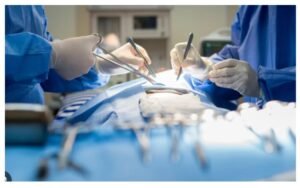
In 2026, healthcare is undergoing a major transformation driven by one simple expectation: no waiting. Patients today are no longer willing to tolerate long delays between diagnosis and treatment. This has led to the rise of the “zero-wait surgery” movement, where systems are designed to diagnose, plan, and execute treatment in the shortest possible time without compromising quality.
This shift is not just about speed. It is about efficiency, coordination, and better outcomes. When care is delivered at the right time, recovery improves and complications reduce significantly.
Why Delays Were a Hidden Problem in Healthcare
For years, delays in treatment were accepted as part of the system. Patients often had to wait for consultations, tests, and surgery dates. While these delays seemed routine, they had a significant impact on outcomes.
Conditions could worsen during waiting periods, leading to more complex procedures and longer recovery times. In 2026, healthcare providers are addressing this issue by redesigning the entire patient journey.
The focus is now on minimizing unnecessary steps and creating a streamlined process.
The Shift Toward Integrated Care Systems
One of the key drivers of this change is integration. Instead of separate departments working independently, healthcare systems are becoming more connected.
A Multispeciality Hospital plays a central role in this model by bringing together different specialists under one roof. This allows for faster decision-making and better coordination.
Patients no longer need to move between multiple locations. Everything from diagnosis to treatment can be managed within a single system.
Real-Time Diagnostics Are Changing Decision-Making
Advancements in technology have made it possible to perform diagnostics quickly and accurately. Imaging, lab tests, and data analysis can now be completed in a much shorter time.
This enables doctors to make informed decisions almost immediately. Instead of waiting days or weeks for results, treatment plans can be created on the same day.
This speed improves patient confidence and reduces anxiety.
Surgical Precision Is Meeting Speed
Speed alone is not enough. It must be combined with precision to ensure safety and effectiveness.
A General and Laparoscopic Surgeon is at the forefront of this transformation. Minimally invasive techniques allow procedures to be performed with smaller incisions, less pain, and faster recovery.
These advancements make it possible to carry out surgeries efficiently without compromising outcomes. Patients can return to their normal lives much sooner.
The Role of Digital Coordination
Digital systems are making zero-wait care possible. Electronic health records, AI-driven scheduling, and real-time communication between departments ensure that every step is coordinated.
Patients do not have to repeat their medical history or undergo duplicate tests. Information flows seamlessly, allowing doctors to focus on treatment rather than administration.
This level of coordination is essential for delivering fast and effective care.
Patient Expectations Are Driving Change
Modern patients are more informed and proactive. They expect convenience, transparency, and quick solutions.
The zero-wait model aligns with these expectations by reducing delays and providing clear timelines. Patients feel more in control of their healthcare journey, which improves overall satisfaction.
This shift is pushing healthcare providers to continuously improve their systems.
Challenges in Implementing Zero-Wait Care
While the benefits are clear, implementing this model requires significant resources and planning. Healthcare systems must invest in technology, infrastructure, and skilled professionals.
There is also the challenge of maintaining quality while increasing speed. Proper protocols and training are essential to ensure that care remains safe and effective.
Balancing efficiency with accuracy is key to success.
The Future of Healthcare Delivery
The future of healthcare lies in further integration and automation. AI will play a larger role in diagnostics and decision-making, while digital platforms will enhance patient engagement.
We can expect even faster processes, more personalized care, and better outcomes. The goal is to create a system where treatment is not only effective but also timely and accessible.
Conclusion
The “zero-wait surgery” movement is redefining healthcare in 2026. By focusing on speed, coordination, and precision, it is improving both patient experience and clinical outcomes.
With integrated systems, advanced technology, and skilled professionals, healthcare is becoming more efficient than ever before. This transformation is setting a new standard, where timely care is not a luxury but a fundamental expectation.
Source: FG Newswire