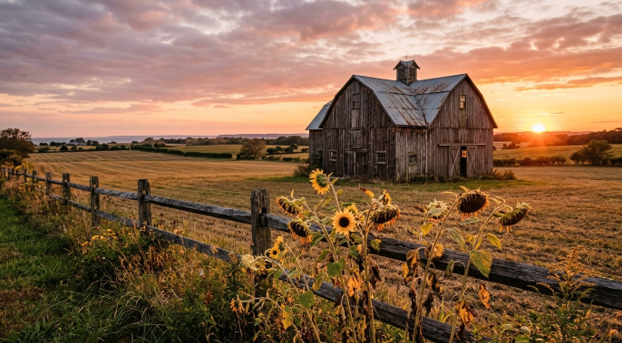
The East End of Long Island includes both the Hamptons and the North Fork, and they both change character once summer ends. Traffic thins, restaurants lose their two-hour waits, and the beaches regain the quiet they had before June. Shoulder season on the East End, roughly late September through early November and again in April and May, is the window most locals prefer.
This guide walks through what the region looks like during those weeks: the farm stands still operating, the beaches worth long slow walks, and the villages that become more like towns again.
Why Shoulder Season Matters Here
The East End in peak summer is a logistical puzzle. Shoulder season solves most of the problems that define a July weekend: the Jitney has seats, the gas stations have no line, and a dinner reservation can be made on the same afternoon.
Weather in September and October stays mild through most of the month, with ocean temperatures warm enough for swimming into early October in a typical year. April and May are cooler but dry more often than not, and the light through mid-spring has the clearest quality of the year.
Farm Stands and Shoulder-Season Harvests
The North Fork’s farm stands extend well past Labor Day. Briermere Farms, Wickham’s Fruit Farm, and Sep’s Farm all stay open through the fall, and the harvests rotate through apples, pumpkins, and root vegetables as the weeks progress.
The farmers’ markets in Sag Harbor and East Hampton continue through October, with shorter hours but fuller tables of preserved goods. A single Saturday morning stop is usually enough for a week of cooking.
Travelers evaluating off-peak rental options on Long Island’s East End during the shoulder months often find that a rental with a usable kitchen pays for itself quickly, since the farm stands and the fish markets become the easier alternative to the remaining restaurant reservations.
Beaches Without the Crowds
The ocean beaches in the Hamptons remain open through the fall and into early winter. Main Beach in East Hampton, Coopers Beach in Southampton, and Atlantic Avenue Beach in Amagansett are all walkable for long stretches without crowds once the parking restrictions change in September.
The bay beaches, on the Peconic and Gardiners Bay sides, stay quieter year-round and warm more quickly in spring. Sound Avenue on the North Fork offers several bay access points worth a morning walk, and a shore walk at Orient Point is one of the quieter experiences on the East End.
Packing for a beach walk in shoulder season is closer to packing for a fall hike than for a summer beach day. A windbreaker, warm socks, and a pair of walking shoes handle most of the weather most of the time.
Villages in Their Quieter Mode
Sag Harbor in October feels more like a town than in August. The main street has foot traffic that moves at the pace of the shops rather than the pace of the beach, and the bookstore, the record store, and the Sag Harbor Cinema keep regular hours well into the winter.
Greenport, on the North Fork, becomes the easier dinner town in the fall. The restaurants open tables without a reservation, the harbor walks are empty most evenings, and the return drive on Main Road is calm enough to enjoy rather than endure.
East Hampton and Southampton are more residential in the shoulder season. The shops stay open but the streets are slower, which is often the version visitors prefer once they have seen the peak-summer version.
Small Excursions Worth a Day
The Shelter Island ferry runs year-round and the island itself becomes almost empty in the shoulder months. Mashomack Preserve, in the middle of the island, has more than twenty-five miles of trails and is quiet enough to see a hawk at close range.
Montauk in October and early November has its own feel, with surfers on the water most mornings and the clam shacks keeping shorter but reliable hours. A single day trip with a walk to the lighthouse is the low-effort version.
Planning Notes
Restaurants and shops often drop to shortened hours after Columbus Day. Checking hours online before leaving on a Saturday morning prevents most of the common surprises. Some of the larger hotels reduce staffing in the shoulder months, which is worth verifying if you are relying on hotel amenities.
Driving between the South Fork and the North Fork takes longer than the map suggests in shoulder season because the ferry schedule tightens. The Shelter Island route is still the fastest option, but it is worth double-checking the last return ferry before planning a late dinner on the opposite fork.
The East End in shoulder season rewards a slower weekend and a willingness to walk more than drive. For travelers who can travel outside of July and August, these weeks are the easiest way to understand why so many East End residents consider the shoulder months the real season of the year.
Source: FG Newswire