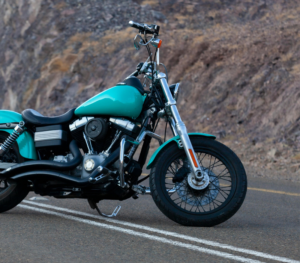
Selling a motorcycle can be both an exciting and challenging endeavour. Whether you’re upgrading to a newer model or simply looking to part with your beloved two-wheeler, understanding the intricacies of the selling process is crucial for a successful transaction. This guide offers a detailed look at every step involved in selling your motorcycle, ensuring you achieve the best possible outcome.
Understanding the Motorcycle Selling Process
The journey of selling a motorcycle begins with a comprehensive understanding of the process. It is crucial to be well-informed about the various stages involved, from preparing your bike to finalising the sale. This understanding not only streamlines the process but also increases your chances of securing a favourable deal.
Firstly, sellers should familiarise themselves with the documentation required for legal transactions. This typically includes the vehicle’s registration certificate, service history, and possibly a valid MOT certificate. Having these documents in order will instill confidence in potential buyers about the motorcycle’s legitimacy and condition.
Additionally, it’s advisable to research the local market trends for motorcycles similar to yours. Understanding what buyers are looking for, and the average selling prices can help you position your motorcycle competitively. This knowledge will also be beneficial when setting expectations for negotiation and final sale prices.
Preparing Your Motorcycle for Sale
Before listing your motorcycle for sale, it’s essential to ensure that it is in prime condition. A well-maintained motorcycle is more appealing to buyers and can command a higher price. Companies like “we buy any bike” often stress the importance of presentation in attracting potential buyers.
Start with a thorough cleaning of your motorcycle. Pay attention to both visible areas and hard-to-reach spots that might accumulate dirt over time. Cleaning not only enhances the bike’s appearance but also provides an opportunity to inspect it for any damages or wear that need addressing.
In addition to cleaning, performing routine maintenance checks is vital. This might include changing the oil, checking tyre pressures, and ensuring that all lights and signals are functional. Addressing these minor issues beforehand can prevent any potential buyer from using them as negotiation points to lower the price.
Assessing the Value of Your Motorcycle
Determining the appropriate market value for your motorcycle is a critical step that requires thorough research. There are various factors to consider, including the bike’s age, mileage, condition, and market demand. Accurate valuation ensures you don’t underprice your asset or scare away potential buyers with an inflated price.
One effective method of valuation is to compare your motorcycle with similar models being sold in the market. Online platforms, motorcycle magazines, and dealership websites can provide insights into current pricing trends. Additionally, consulting with professionals or using online valuation tools can offer a more precise estimate.
It’s also important to be aware of seasonal fluctuations in motorcycle demand. For instance, demand tends to be higher during spring and summer, potentially allowing for a better selling price during these months. Being strategic about when you choose to sell can significantly impact the final sale price.
Crafting an Effective Advertisement
An engaging advertisement is vital in attracting potential buyers to your motorcycle. A well-constructed ad not only highlights the features and benefits of your bike but also differentiates it from others on the market. Clarity, honesty, and detail are key components of an effective advertisement.
Begin by crafting a compelling title that captures the essence of your motorcycle. Include essential details such as the make, model, year, and unique selling points. Follow this with a comprehensive description that covers the bike’s history, condition, and any modifications or upgrades it has received.
Accompanying your description with high-quality images is crucial. Ensure that the photos are taken in good lighting and from multiple angles to give potential buyers a clear view of the motorcycle. Clear and detailed images can significantly enhance the attractiveness of your advertisement.
Choosing the Right Selling Platform
Selecting the appropriate platform for selling your motorcycle can influence the speed and success of your sale. Different platforms cater to varied audiences, and choosing one that aligns with your target buyer is crucial. Options range from online marketplaces to dealerships like “we buy any bike London.”
Online platforms such as eBay, Autotrader, and specialised motorcycle forums offer broad reach and can attract buyers from different locations. These platforms typically allow you to list your motorcycle with detailed descriptions and images, reaching a wide audience.
Alternatively, local dealerships or specialist buyers, like those in London, can offer a more straightforward selling process. These entities often provide immediate offers and handle all the paperwork, making them an attractive option for sellers looking for a quick and hassle-free transaction.
Engaging Potential Buyers
Once your advertisement is live and interest starts to grow, engaging with potential buyers becomes the next critical step. Effective communication can make the difference between a successful sale and a missed opportunity. It’s essential to respond promptly to inquiries and provide clear and concise information about the motorcycle.
When interacting with potential buyers, be prepared to answer questions regarding the bike’s history, condition, and reason for sale. Transparency is crucial in building trust and encouraging serious offers. Moreover, offering test rides to serious buyers can provide them with the assurance needed to finalise a purchase.
It’s also important to remain professional and courteous throughout all interactions. Remember, each communication is an opportunity to sell not just the motorcycle but also the experience of buying from a trustworthy and reliable seller.
Negotiating the Sale
Negotiation is a natural part of the selling process, and being prepared for it can help you achieve a favourable outcome. Set a clear minimum price in your mind before entering negotiations, and be ready to justify your asking price based on the motorcycle’s condition and market value.
During negotiations, it’s essential to remain calm and composed. Listen to the buyer’s offers and concerns, and be prepared to counteroffer or explain the reasoning behind your pricing. Being flexible yet firm can often lead to a mutually beneficial agreement.
Remember, successful negotiation is not about winning or losing but finding a price that satisfies both parties. Being open to compromise, while still protecting your interests, can result in a successful sale and a positive experience for both seller and buyer.
Completing the Transaction Safely
Once a price has been agreed upon, it’s time to finalise the transaction. Ensuring a safe and smooth process is crucial for both parties’ satisfaction. This involves handling all necessary paperwork and ensuring the payment method is secure.
Firstly, draft a bill of sale that outlines the terms of the agreement, including the sale price, vehicle identification number (VIN), and both parties’ details. This document serves as a legal record of the transaction and protects both the buyer and seller.
When it comes to payment, opt for secure methods such as bank transfers or cashier’s cheques to minimise risks. Avoid accepting personal cheques or handling large amounts of cash, as these can pose security concerns. Once the payment is confirmed, ensure that the buyer receives all necessary documents, including the signed bill of sale and a copy of the vehicle’s registration.
Post-Sale Considerations
After the sale is complete, there are a few additional steps to consider. It’s essential to inform the DVLA of the change in ownership to ensure the vehicle’s registration details are updated. Failing to do so could result in fines or continued liability for the vehicle.
Moreover, cancelling your motorcycle insurance is another crucial post-sale task. Notify your insurance provider of the sale to avoid unnecessary charges and to ensure that you are not liable for any incidents involving the bike after the sale.
For those looking to sell more than one motorcycle or who regularly engage in buying and selling bikes, services such as “cashforbike.co.uk” offer streamlined processes and competitive offers. This company is renowned for its hassle-free buying process and fair valuation, making it a convenient option for frequent sellers.
Conclusion
Selling your motorcycle can be a rewarding experience when approached with the right knowledge and preparation. From understanding market trends to engaging effectively with potential buyers, each step in the process is crucial for a successful sale. By following this comprehensive guide, sellers can navigate the complexities of the motorcycle selling process with confidence.
If you’re ready to sell your motorcycle and achieve the best possible sale outcome, start by preparing your bike today. Research your options, choose the right platform, and engage with buyers effectively to ensure a smooth and successful transaction. For those seeking a quick and straightforward sale, consider reaching out to professional buyers like cashforbike.co.uk for a hassle-free experience.
Source: FG Newswire