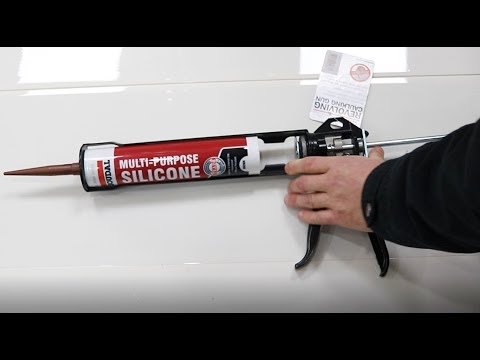
Caulking is an essential part of construction, remodeling, and maintenance projects. Whether you’re sealing gaps around windows, filling joints in bathrooms, or weatherproofing exterior siding, the quality of your seal can make a huge difference in durability and appearance. While manual caulk guns can do the job for small projects, a pneumatic caulk gun sealant offers superior precision, consistency, and speed—key ingredients for achieving professional results.
If you’re new to pneumatic caulk guns or looking to refine your technique, this guide will walk you through everything you need to know, from setup to finishing touches.
Why Choose a Pneumatic Caulk Gun?
A pneumatic caulk gun is powered by compressed air, which means you don’t need to strain your hands by manually squeezing a trigger. This is particularly useful for long projects or heavy-duty sealants. Pneumatic guns deliver an even, controlled flow of sealant, minimizing mess and ensuring smooth, uniform beads. Professionals prefer them for their efficiency, reduced fatigue, and ability to handle high-viscosity products that can be tough with manual guns.
Tools and Materials You’ll Need
Before you start, gather the following items:
- Pneumatic caulk gun (compatible with your air compressor)
- Air compressor with adjustable pressure settings
- Caulk or sealant cartridges suitable for your project (e.g., silicone, polyurethane, or latex-based)
- Utility knife or caulk cutter
- Painter’s tape for masking edges
- Rags and mineral spirits (for cleanup)
- Safety equipment such as gloves and safety glasses
Having everything ready before you begin will make your workflow smoother and prevent interruptions.
Step 1: Prepare the Surface
Proper surface preparation is crucial for a long-lasting seal. Start by cleaning the area thoroughly to remove dirt, grease, old caulk, or flaking paint. A scraper or caulk removal tool can help with stubborn residue. If you’re working in a bathroom or kitchen, ensure the surface is dry to prevent mold growth beneath the new sealant.
For a professional finish, mask the edges of the joint or gap with painter’s tape. This step keeps your bead straight and prevents excess caulk from spreading onto surrounding surfaces.
Step 2: Set Up Your Pneumatic Caulk Gun
- Connect to the Air Compressor: Attach the caulk gun to your compressor using the appropriate air hose. Make sure all connections are tight to prevent air leaks.
- Adjust Air Pressure: Most pneumatic caulk guns work well between 40–70 PSI. Start on the lower end and increase if the sealant doesn’t flow smoothly. Too much pressure can cause splattering, while too little may result in inconsistent flow.
- Load the Cartridge: Cut the tip of your caulk tube at a 45-degree angle to match the width of the joint. Pierce the inner seal using a long nail or puncture tool. Place the cartridge into the gun’s barrel, ensuring it’s secure.
Step 3: Practice Before the Real Thing
Before working on the actual surface, practice on a piece of scrap wood or cardboard. This will help you gauge the flow rate, pressure settings, and speed at which to move the gun. Adjust your compressor pressure or your hand movement until you achieve a smooth, consistent bead.
Step 4: Apply the Sealant
- Hold the Gun at the Correct Angle: Position the nozzle at about a 45-degree angle to the joint. This allows the sealant to penetrate the gap while maintaining a clean bead.
- Start Slowly: Depress the trigger gently and begin moving the gun along the joint at a steady pace. Too fast, and you’ll leave gaps; too slow, and you’ll create a bulky, uneven bead.
- Maintain Consistent Pressure: Let the pneumatic system do the work—avoid squeezing harder than necessary. The goal is an even flow without interruptions.
Tip: Always work in manageable sections, such as three to four feet at a time, so you can smooth the bead before it begins to set.
Step 5: Tool the Bead for a Professional Finish
“Tooling” refers to smoothing the caulk bead for both appearance and adhesion. Using a caulk finishing tool or a gloved finger dipped in soapy water, gently run along the bead to flatten and shape it. This removes air pockets, improves the seal, and creates a polished look. Wipe away any excess caulk with a damp rag before it hardens.
Remove painter’s tape while the caulk is still wet to avoid tearing or lifting the sealant. Pull the tape away at a sharp angle for clean edges.
Step 6: Allow Proper Curing Time
Different sealants have different curing times, typically ranging from a few hours to several days. Check the manufacturer’s instructions and avoid exposing the caulk to water or stress until it’s fully cured. Rushing this step can compromise the seal and lead to leaks or gaps.
Common Mistakes to Avoid
- Over-applying caulk: Excess sealant wastes material and creates a mess that’s difficult to clean.
- Skipping surface prep: Even the best caulk won’t adhere well to dirty or damp surfaces.
- Using the wrong pressure: High pressure can blow out joints or create splatter, while low pressure results in weak, uneven lines.
- Not testing first: Practicing on scrap material helps fine-tune your settings before committing to the real job.
Maintenance and Cleaning
Once you’ve finished, release the pressure from your pneumatic gun and disconnect it from the air compressor. Wipe off any residual caulk from the nozzle and store the gun in a clean, dry place. If you plan to reuse a partially used cartridge, seal the tip with a cap or wrap it tightly with plastic wrap to prevent drying. Regular maintenance will extend the life of your gun and ensure reliable performance for future projects.
Choosing the Right Pneumatic Caulk Gun
Not all pneumatic caulk guns are created equal. Look for models with adjustable regulators, comfortable grips, and sturdy construction. A quality gun will make a noticeable difference in ease of use and final results. For professional-grade tools, you can explore reliable options at https://cs2sales.com/cox-guns/.
Final Tips for Professional Results
- Work in good lighting so you can clearly see the bead and edges.
- Keep a steady hand and consistent pace; practice improves your technique.
- Use high-quality caulk suitable for your specific project, whether it’s silicone for wet areas or polyurethane for outdoor use.
- Don’t rush the job—take your time to prepare surfaces, adjust settings, and tool the bead correctly.
Conclusion
Using a pneumatic caulk gun sealant may seem intimidating at first, but with the right preparation and technique, it’s an invaluable tool for achieving flawless, professional-looking seals. By following these steps—preparing your surface, setting up your gun properly, practicing your flow, and taking care with the final finish—you’ll save time, reduce waste, and elevate the quality of your work. Whether you’re a seasoned contractor or a DIY enthusiast, mastering a pneumatic caulk gun will make your projects cleaner, faster, and more durable.
Source: FG Newswire