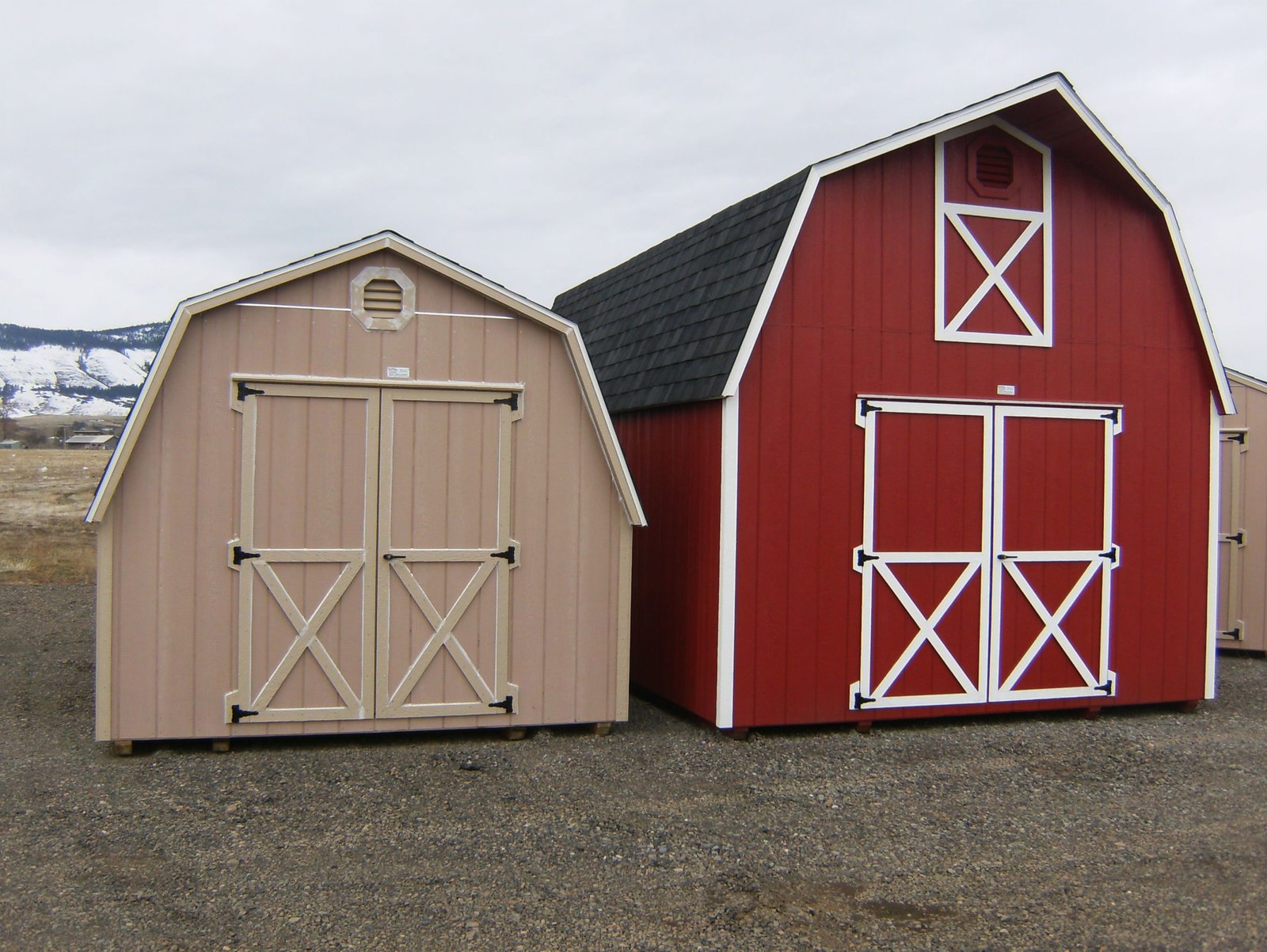
Renting a tool shed can be an incredibly practical solution for homeowners, contractors, or hobbyists who need temporary storage or workspace. Whether you’re remodeling your home, organizing your yard tools, or managing equipment for a construction project, a rented shed offers flexibility without the commitment of purchasing one outright. However, if you’re renting for the first time, there are several important factors to consider to ensure you choose the right shed, protect your belongings, and get the best value for your money. Here’s a comprehensive guide packed with essential tips for first-time tool shed rentals.
1. Understand Your Storage Needs
Before you begin shopping for a shed rental, take stock of what you need to store. Make a list of tools, equipment, and materials you plan to keep inside.
Think about:
- Size and dimensions: Larger power tools, ladders, and lawn equipment may require a taller or wider shed.
- Weight limits: If you’re storing heavy machinery or multiple items, check the shed’s load capacity.
- Frequency of access: If you’ll be accessing tools daily, you may need a shed with easy access doors or shelving.
Having a clear idea of your needs will prevent you from renting a shed that’s either too small or unnecessarily large.
2. Choose the Right Location
Where you place your rented shed matters for both convenience and safety. Ideally, the shed should be positioned on level ground that’s easily accessible. Avoid low-lying areas prone to flooding or spots that could become muddy after rain. If you’re using the shed for a construction or landscaping project, consider placing it near your work area to save time and effort when moving tools in and out.
Also, check local zoning laws or homeowners’ association (HOA) rules—some communities have restrictions on where temporary structures can be placed.
3. Consider Shed Material and Build Quality
Not all tool sheds are created equal. Materials and construction quality can affect durability, security, and weather resistance.
Common options include:
- Metal sheds: Durable and fire-resistant but may get hot in summer.
- Wooden sheds: Attractive and sturdy but require maintenance and can be vulnerable to pests.
- Plastic or resin sheds: Lightweight, weather-resistant, and low maintenance, making them ideal for temporary rentals.
Inspect the shed before committing to a rental. Check for signs of wear, leaks, or structural weakness. A well-built shed will protect your tools and equipment from the elements and potential theft.
4. Plan for Security
Tools can be expensive, and theft is always a risk when using an outdoor storage unit. Choose a shed with secure locks, reinforced doors, and sturdy walls. If your rented shed doesn’t come with a lock, invest in a high-quality padlock or consider using a combination of locks for extra protection.
For valuable or sensitive equipment, you might also consider installing a motion-sensor light or small security camera nearby. These simple measures can deter potential thieves and give you peace of mind.
5. Evaluate Accessibility and Features
Accessibility is key, especially if you’re using the shed for active projects.
Features to consider include:
- Wide double doors: Make it easier to move bulky items in and out.
- Shelving or racks: Help you organize tools and maximize storage space.
- Ventilation: Prevents moisture buildup and protects tools from rust or mold.
- Windows or lighting: Improves visibility, especially if you’ll be working inside the shed.
If you’re renting from a professional equipment provider, ask about customization options like ramps for wheeled equipment or shelving add-ons.
6. Protect Against Weather Damage
Weather can wreak havoc on your tools if the shed isn’t properly prepared. Ensure the shed has a watertight roof and sealed seams to prevent leaks. Position it away from overhanging branches that could fall during storms. If you live in a region with heavy snowfall or rain, consider elevating the shed slightly off the ground to prevent water damage.
Additionally, store sensitive tools in protective cases or bins inside the shed for extra protection. Even the best sheds can experience condensation, so using moisture absorbers or desiccant packs can keep your tools dry.
7. Compare Rental Costs and Terms
Shed rental costs vary depending on size, material, duration, and location. To get the best value:
- Request quotes from multiple providers: This helps you compare prices and services.
- Ask about delivery and pickup fees: These can add to your total cost.
- Review rental agreements carefully: Pay attention to terms regarding damage, cleaning, or late returns.
- Consider long-term discounts: If you need the shed for an extended period, ask if the provider offers reduced rates for long-term rentals.
It’s important to balance cost with quality—choosing the cheapest option could lead to problems if the shed isn’t sturdy or weatherproof.
8. Inspect Before and After Delivery
Before accepting the shed, inspect it thoroughly for any existing damage. Take photos of the structure, doors, locks, and floor to document its condition. This protects you from being held responsible for damage that wasn’t your fault.
Similarly, when the rental period ends, clean the shed and ensure it’s in good condition before pickup. A little preparation can save you from potential disputes or extra charges.
9. Think About Long-Term Needs
If you anticipate needing storage or workspace again in the future, renting a shed can be a good way to “test-drive” different sizes and types before committing to a purchase. Use your rental experience to evaluate what worked well and what you might change.
For example, if you found the shed too small for your tools or too dark for your tasks, you can adjust your choices for the next rental or eventual purchase.
10. Choose a Reliable Rental Provider
Selecting a reputable rental company is one of the most important decisions you’ll make. Look for providers with positive customer reviews, transparent pricing, and a track record of good customer service. A trusted company will deliver well-maintained sheds, offer clear contracts, and provide assistance if any issues arise during your rental period.
For example, you can explore reliable rental options through https://www.rentcoequipment.com/, which offers a range of equipment and storage solutions tailored to various needs.
11. Safety First
Safety should always be a priority when using a rented shed. Ensure the shed is securely anchored to prevent tipping during high winds. Keep pathways clear of debris to avoid tripping hazards. If using the shed as a workspace, make sure it’s adequately lit and ventilated.
12. Make the Most of Your Rental
To maximize your rental experience:
- Organize efficiently: Use shelves, hooks, or storage bins to keep tools accessible.
- Label everything: Clear labeling saves time during projects.
- Maintain cleanliness: Regularly sweep the shed and remove dust or debris to protect your equipment.
These small steps can make a big difference in how functional and enjoyable your rented shed is.
Conclusion
Renting a tool shed for the first time can seem overwhelming, but with proper planning and attention to detail, it can be an easy and rewarding experience. By understanding your storage needs, choosing the right size and material, considering security features, and comparing rental terms, you can ensure a hassle-free process.
Working with a trusted provider and following these essential tips will help you protect your tools, stay organized, and complete your projects successfully. Whether it’s a short-term home improvement task or a long-term construction project, a rented shed can be an invaluable resource for efficient and secure storage.
Source: FG Newswire