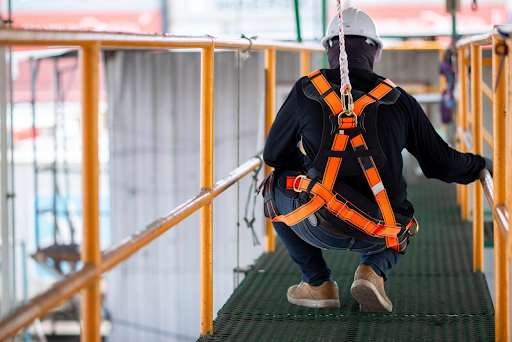
Workplace safety is a non-negotiable priority for businesses, especially in industries like construction, manufacturing, warehousing, and energy. Falls from height remain one of the leading causes of workplace injuries and fatalities worldwide. Investing in high-quality, certified safety gear is not only a regulatory requirement but also a critical step in protecting employees, reducing liability, and promoting a culture of safety. Certified fall protection systems are at the forefront of ensuring that workers remain safe while performing tasks at elevated positions.
The Importance of Fall Protection
Falls can happen in an instant, and the consequences can be severe. According to workplace safety statistics, thousands of workers sustain injuries from falls every year, leading to lost workdays, expensive medical bills, and, in the worst cases, fatalities. Fall-related accidents also result in significant financial and reputational damage for companies, including legal penalties, insurance claims, and decreased workforce morale.
Proper fall protection equipment provides a reliable safety net, allowing employees to work confidently at height. Certified fall protection systems are designed and tested to meet strict safety standards, ensuring that they perform effectively in real-world conditions. By incorporating these systems into workplace safety protocols, employers can significantly reduce the risk of accidents and foster a safer working environment.
Understanding Fall Protection Systems
Fall protection systems are a combination of equipment, procedures, and training designed to prevent or minimize the impact of falls. These systems include a wide range of products, each serving a specific purpose:
- Personal Fall Arrest Systems (PFAS): These systems include harnesses, lanyards, and anchor points. They are designed to stop a fall in progress and reduce the force exerted on the worker, preventing serious injury.
- Guardrails and Safety Nets: Passive fall protection systems, such as guardrails and safety nets, prevent employees from reaching hazardous edges or catching them in case of a fall.
- Fall Restraint Systems: These systems restrict workers from accessing areas where a fall could occur, effectively eliminating the risk of falling altogether.
- Anchorage Points and Lifelines: Anchors provide secure attachment points for harnesses and lanyards. Lifelines allow workers to move freely while remaining protected.
- Training and Inspection Tools: Proper training and regular inspection are critical components of a fall protection program. Employees must know how to use the equipment correctly, and regular inspections ensure that all systems remain in optimal working condition.
Benefits of Certified Fall Protection Systems
Investing in certified fall protection systems provides numerous benefits for both employers and employees:
- Enhanced Safety: Certified equipment undergoes rigorous testing to ensure it meets stringent safety standards, reducing the risk of accidents and injuries.
- Regulatory Compliance: Using certified fall protection systems ensures compliance with local and international safety regulations, helping businesses avoid legal penalties.
- Increased Productivity: When workers feel safe, they can perform tasks more efficiently and confidently, improving overall productivity.
- Cost Savings: Preventing accidents reduces medical expenses, compensation claims, and potential lawsuits. Additionally, durable certified equipment often requires less frequent replacement.
- Reputation and Morale: Companies that prioritize worker safety foster trust, improve employee satisfaction, and enhance their reputation as responsible employers.
Key Industries That Benefit from Fall Protection
Fall protection systems are essential across industries where working at height is a routine part of operations. Some of the key sectors include:
- Construction: From scaffolding to rooftops, construction workers face significant fall risks. Certified harnesses, guardrails, and anchor points are critical to keeping workers safe.
- Manufacturing and Warehousing: Elevated platforms, mezzanines, and industrial machinery create fall hazards in production and storage facilities.
- Energy and Utilities: Workers maintaining power lines, wind turbines, or oil rigs rely on fall protection systems to prevent accidents during high-risk tasks.
- Telecommunications: Installing and servicing cell towers or rooftop antennas involves working at extreme heights, where fall protection is vital.
- Transportation and Logistics: Elevated loading docks, maintenance platforms, and vehicle-mounted equipment also require reliable fall safety measures.
Choosing the Right Fall Protection Equipment
Selecting the appropriate certified fall protection systems requires careful consideration of the work environment, the nature of tasks, and regulatory requirements. Key factors include:
- Certification and Standards: Always ensure equipment meets recognized safety standards such as OSHA, ANSI, EN, or ISO, depending on your region.
- Proper Fit and Comfort: Harnesses and lanyards must fit workers properly to ensure maximum safety and comfort during extended use.
- Durability and Material Quality: Equipment should be made of high-strength materials capable of withstanding environmental factors, wear, and impact forces.
- Compatibility: Ensure that all components of the fall protection system, including harnesses, anchors, and lifelines, work seamlessly together.
- Training and Support: Employees must be trained in proper use, inspection, and maintenance of equipment to ensure maximum effectiveness.
Best Practices for Implementing Fall Protection
Installing certified fall protection equipment is only part of an effective safety strategy. Organizations must also implement best practices to maximize the effectiveness of their fall protection program:
- Risk Assessment: Conduct thorough assessments of all work areas to identify potential fall hazards.
- Employee Training: Provide comprehensive training on equipment use, hazard recognition, and emergency procedures.
- Regular Inspections: Inspect all equipment regularly for signs of wear, damage, or deterioration.
- Maintenance and Replacement: Replace worn or damaged components promptly to maintain the integrity of the fall protection system.
- Safety Culture: Foster a culture of safety where employees feel responsible for their own protection and are encouraged to report hazards.
The Role of Technology in Fall Protection
Modern fall protection systems increasingly incorporate technology to enhance safety and monitoring. Smart harnesses and sensors can detect falls in real-time, triggering alerts to supervisors or emergency response teams. Some systems integrate with mobile apps or cloud platforms, allowing managers to track equipment usage, maintenance schedules, and compliance metrics. This combination of advanced technology and certified equipment creates a proactive approach to fall prevention, reducing risk and improving response times in emergency situations.
Conclusion
Falls remain a leading cause of workplace injuries, yet they are largely preventable with the right equipment and practices. Certified fall protection systems offer the ultimate safeguard, combining reliability, durability, and compliance to keep employees safe while performing tasks at height. From harnesses and lanyards to guardrails and lifelines, these systems are essential for industries ranging from construction and manufacturing to energy, telecommunications, and logistics.
By investing in certified fall protection equipment, organizations not only protect their workforce but also ensure regulatory compliance, reduce operational risks, and promote a safety-first culture. Comprehensive training, regular inspections, and a commitment to continuous improvement further enhance the effectiveness of fall protection programs.
Source: FG Newswire