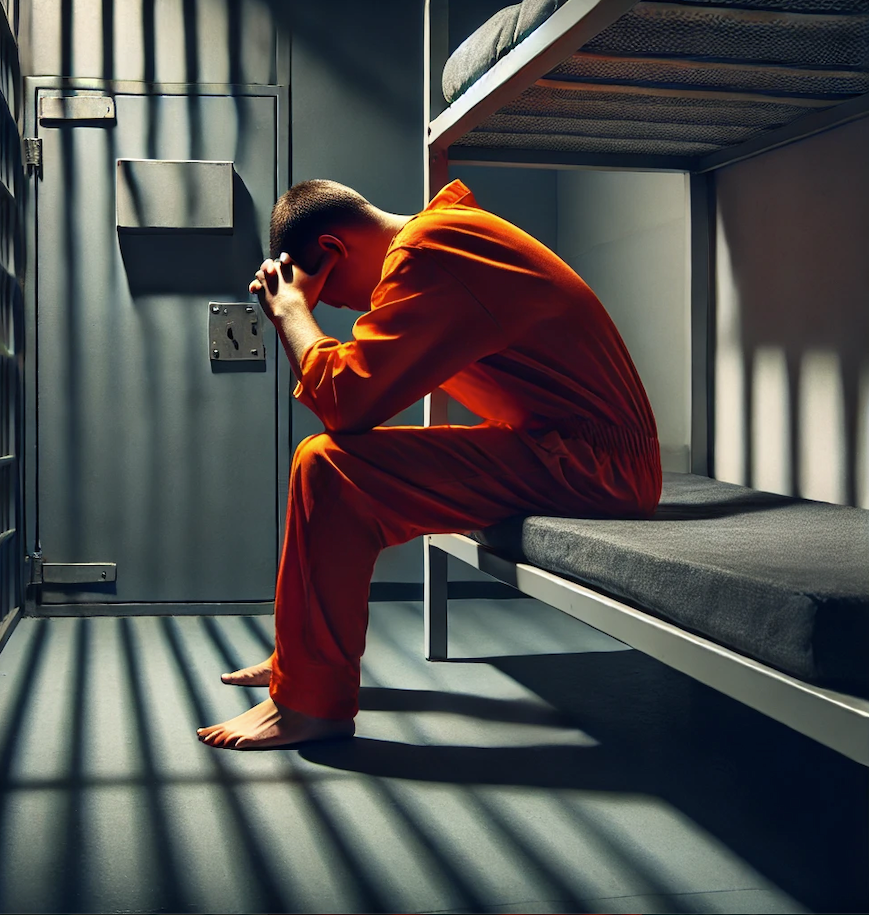
By almost every available measure, the United States is in the midst of a behavioral health crisis that shows no sign of resolving on its own. Rates of anxiety and depression have remained substantially elevated since the disruptions of 2020, with survey after survey showing that the proportion of adults reporting significant psychological distress has not returned to pre-pandemic baselines. Substance use disorder affects tens of millions of Americans, with opioid-related overdose deaths continuing at levels that would have been unthinkable a generation ago. Demand for mental health and addiction treatment services has outpaced supply in virtually every region of the country, leaving a treatment gap that is measurable, significant, and growing.
What this moment requires is not simply more awareness — awareness is no longer the primary problem. What it requires is a clearer understanding of what effective behavioral health treatment actually looks like, what makes the difference between care that produces lasting outcomes and care that produces temporary stabilization, and how the treatment system needs to evolve to meet a level of need it was not originally designed to handle.
The Scale of What We Are Dealing With
The numbers that define the current behavioral health landscape are worth stating plainly, because they tend to get absorbed as abstractions rather than understood as the concrete human reality they represent.
Substance use disorder affects a substantial share of the adult population, with alcohol use disorder and opioid use disorder representing the largest categories. Co-occurring disorders — the simultaneous presence of a substance use disorder and one or more mental health conditions — are the norm rather than the exception among people seeking treatment, with the majority of those in addiction treatment carrying a diagnosable psychiatric condition alongside their substance use. Depression and anxiety, already the most prevalent mental health conditions in the general population, have seen sustained increases in prevalence that have not reversed despite the passage of time since the acute phase of the pandemic.
Against this backdrop, the treatment system has struggled to expand capacity at the rate the demand requires. Wait times for mental health services remain long in most markets. The behavioral health workforce faces significant shortages, with rural and lower-income communities most acutely affected. Insurance coverage for mental health and substance use treatment, while improved by legislative changes over the past decade, remains inconsistent enough in practice that financial barriers continue to prevent a significant proportion of people who need care from accessing it.
What the Research Says About Effective Treatment
One of the more significant shifts in behavioral health over the past two decades has been the maturation of the evidence base for what actually works — and the gradual, if still incomplete, translation of that evidence into standard clinical practice.
The research is clear on several points. Integrated treatment — addressing addiction and co-occurring mental health conditions simultaneously rather than sequentially — produces substantially better outcomes than treating each in isolation. The level of care should be matched to clinical need, with access to a continuum that ranges from outpatient support through intensive outpatient, partial hospitalization, and residential treatment, allowing the intensity of intervention to be calibrated to what the individual’s situation actually requires. And continuity — the sustained support that bridges formal treatment and independent functioning — is one of the strongest predictors of long-term recovery, which makes aftercare not an optional add-on but a clinically essential component of any serious treatment model.
Family involvement in the treatment process similarly improves outcomes in ways that are consistent enough across the research to be considered a standard element of effective care rather than an enhancement. Addiction and serious mental illness reorganize family systems in ways that do not automatically reverse when the individual enters treatment — and programs that address the family dimension alongside the individual one produce results that reflect that reality.
The Admissions Process as a Clinical Moment
One aspect of behavioral health treatment that receives less attention than it deserves is the admissions process itself — the experience a person has in the hours and days between deciding to seek help and actually beginning treatment. This transition is clinically significant in a way that is easy to underestimate.
The decision to seek treatment is rarely made from a position of stability. It typically emerges from a moment of clarity within a context of significant distress — and that clarity is fragile. A process that is confusing, cold, or bureaucratically demanding enough to require resources the person does not currently have can extinguish the motivation that produced the decision before treatment has begun. A process that is responsive, transparent, and genuinely oriented toward the individual’s wellbeing can convert that fragile moment of readiness into the first step of sustained engagement.
Peace Valley Recovery in Doylestown, Pennsylvania, approaches admissions with this understanding explicitly built in. Their process begins with a direct conversation — not a form, not a waiting period, but a substantive discussion with an experienced admissions professional whose goal is to understand the person’s situation and identify the most appropriate path forward, including referrals to other providers when that serves the individual better than the programs Peace Valley itself offers. This orientation — toward the right outcome for the person rather than toward filling program capacity — is both clinically sound and, in the current treatment landscape, relatively unusual.
Their behavioral health programs span the full continuum of care, from partial hospitalization and intensive outpatient through dual diagnosis treatment, family programming, medication management, and aftercare — providing the structural flexibility to match level of care to clinical need rather than routing everyone through a single format regardless of fit.
The Gap Between Supply and Demand
The fundamental challenge facing the behavioral health system nationally is not primarily one of clinical knowledge. The evidence base for effective treatment is substantial and well-established. The challenge is structural: the gap between the number of people who need care and the capacity of the treatment system to provide it at the quality and accessibility that produces real outcomes.
Closing that gap requires investment at multiple levels — in workforce development, in insurance parity enforcement, in the expansion of community-based treatment capacity, and in the reduction of the administrative and financial barriers that currently stand between people in need and the care that exists to serve them. It also requires a cultural shift in how addiction and mental illness are understood — away from frameworks of moral failure and toward the medical model that the evidence supports and that effective treatment requires.
The national demand for behavioral health treatment reflects a real and growing need. Meeting that need — not just with more services, but with better, more accessible, more clinically integrated services — is one of the defining public health challenges of the current moment. The systems and programs that are doing this work well deserve recognition, replication, and the resources to expand their reach.
Source: FG Newswire