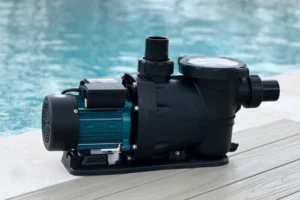
That humming sound at 6am isn’t your imagination. Your pool pumps are waking the entire street, and you’ve probably got complaints brewing even if nobody’s said anything yet.
Noisy pool pumps aren’t just annoying. They’re often symptomatic of problems that’ll cost you serious money if ignored.
Let me show you what different noises actually mean and when to worry.
The Bearing Death Rattle
High-pitched squealing or grinding means your pump bearings are dying. This noise starts quietly, maybe noticeable only when standing right beside the equipment. Within weeks it’s audible from your bedroom window.
Ignoring bearing failure leads to complete pump seizure. That’s not a cheap repair – you’re looking at motor replacement or entire pump replacement depending on damage extent.
A Karrinyup property ignored squealing for three months. “It still works,” the owner reasoned. Then the bearing completely failed mid-operation, seized the motor, and damaged the impeller. What could’ve been a straightforward bearing replacement became total pump replacement.
Bearing noise means immediate attention required. Catch it early and repairs are manageable. Wait until catastrophic failure and you’re buying new equipment.
The Cavitation Problem
Loud rattling or rumbling indicates cavitation – air bubbles forming and collapsing inside your pump. Sounds like marbles bouncing around the housing.
Cavitation destroys impellers rapidly. The collapsing bubbles create shock waves that physically erode metal. Your pump’s eating itself from the inside while making that distinctive rumbling noise.
Common causes: blocked skimmer baskets, clogged pump basket, air leaks in suction plumbing, water level too low. All fixable problems if addressed promptly. All expensive if ignored until the impeller’s destroyed.
A Baldivis pump rattled for weeks. Owner assumed it was normal operation noise. By the time we inspected it, the impeller had significant cavitation damage. Simple basket cleaning would’ve prevented the whole problem if done when noise first started.
The Vibration Warning
Excessive vibration means mounting problems or internal imbalance. Your pump shouldn’t shake the equipment pad or rattle nearby fencing.
Loose mounting bolts are the simple fix. Worn motor mounts need replacement. Internal impeller damage or debris stuck in the impeller causes imbalance that vibrates increasingly worse.
Vibration accelerates wear on everything. Plumbing connections loosen. Electrical connections work free. Bearings wear faster. What starts as minor vibration cascades into multiple simultaneous failures.
One Ellenbrook installation vibrated noticeably but the pump still functioned. Over six months, the vibration loosened plumbing unions causing slow leaks, worked electrical connections partially free creating resistance and heat, and accelerated bearing wear. Multiple repairs needed because initial vibration got ignored.
The Heating Efficiency Connection
Noisy pool pumps often indicate reduced flow rates. Your heat pumps need adequate water circulation to transfer heat efficiently.
Restricted flow from pump problems means your heating system works harder and longer reaching target temperature. You’re burning extra electricity on heating because your noisy pump isn’t moving water properly.
A Canning Vale customer complained about rising heating costs. Their heat pump checked out fine. The problem was their increasingly noisy pool pump delivering reduced flow. The heating system ran 30% longer than necessary because inadequate circulation required more time for heat distribution.
Fixing the pump problem immediately reduced heating running times back to normal.
The Time-of-Day Factor
When your pump makes noise matters. Equipment that’s quiet daytime but noisy morning startup suggests different problems than constant noise.
Morning noise after overnight shutdown indicates bearing issues – bearings stiffen when cold, loosen when warmed. Constant noise regardless of running time suggests cavitation or vibration problems.
Note when noise occurs. That information helps diagnose root causes accurately instead of guessing.
The Decibel Difference
Modern pool pumps run at roughly 45-55 decibels – normal conversation volume. If yours is noticeably louder than talking, something’s wrong.
Variable speed pumps on low settings should be barely audible from 10 metres away. Single speed pumps are louder but shouldn’t dominate your backyard soundscape.
Stand beside your equipment. Can you hold normal conversation without raising your voice? If not, your pump’s too loud and likely has problems developing.
The Neighbour Relations Cost
Beyond equipment damage, noisy pumps create neighbour friction. Perth backyards are close together. Your 6am pump startup wakes people trying to sleep.
Council noise complaints, relationship damage, and decreased property appeal all stem from ignoring noisy pool equipment. These social costs add up even before equipment failures hit your wallet.
The Action Point
New unusual noise means immediate investigation. Don’t wait to see if it goes away. It won’t. It’ll get worse and more expensive.
Get professional assessment at poolheatingsolutionswa.com.au before minor noise becomes major failure.
Your pump shouldn’t announce its presence to the entire street. Fix it before it fails completely.
Source: FG Newswire