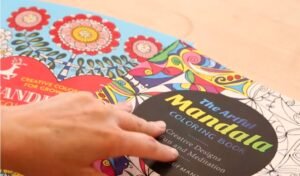
Coloring therapy has quietly transformed from a childhood pastime into one of the most widely embraced wellness practices of the modern era. What was once associated with crayons on kitchen tables is now found in boardrooms, therapy offices, airports, and bedrooms late at night. This shift is not a novelty trend driven by social media hype. It reflects a deeper cultural need for calm, control, and creative expression in a world that rarely slows down. Coloring therapy is popular because it works, and more importantly, because it fits seamlessly into how people now seek balance. That is exactly why it is here to stay.
Modern life is loud, fast, and cognitively demanding. Screens dominate attention from morning until sleep, notifications fragment focus, and productivity culture leaves little room for mental rest. Coloring therapy offers something radically different. It provides quiet structure without pressure. When someone colors, they engage the brain without overloading it. The activity requires focus but not performance, intention but not outcome. In a culture obsessed with optimization and measurable success, coloring is refreshingly non competitive.
The Need for Calm in an Overstimulated World
One reason coloring therapy resonates so strongly today is its accessibility. There is no learning curve, no certification, and no expectation of talent. Anyone can open a book, pick a color, and begin. That simplicity matters in a time when many wellness practices feel exclusive or overwhelming. Meditation can feel intimidating to beginners. Fitness routines require time, equipment, or motivation. Coloring asks for none of that. It meets people where they are, whether that is a stressed parent at the kitchen table or a burned out professional unwinding after work.
The science behind coloring therapy also supports its growing popularity. Research in psychology and neuroscience has shown that repetitive, structured creative activities help reduce anxiety by calming the amygdala, the part of the brain associated with stress and fear responses. Coloring activates similar mental pathways as mindfulness practices, gently anchoring attention in the present moment. Unlike passive habits such as endless scrolling or background television, coloring is an active form of rest. The hands stay busy while the mind slows down, allowing anxious thoughts to fade into the background.
In many ways, coloring functions as a mental reset button. It gives people permission to pause without guilt. There is no sense of wasting time, no pressure to produce something valuable, and no expectation to share the result. That freedom is rare in modern life, and it is deeply appealing.
Creativity Without Pressure or Judgment
What makes coloring therapy particularly effective is the balance it strikes between freedom and structure. Blank pages can feel intimidating, especially for adults who have learned to judge their creative ability harshly. Adult coloring pages remove that fear by offering boundaries. The shapes already exist, which allows the mind to relax. At the same time, color choices remain entirely personal. This creates a sense of autonomy without responsibility, a feeling that many people crave in uncertain times.
The rise of adult coloring books over the past decade reflects a broader cultural shift in how creativity is understood. Creativity is no longer seen as something reserved for artists or designers. Coloring therapy reframes creativity as a basic human need rather than a professional skill. It emphasizes process over outcome and enjoyment over evaluation. This perspective aligns closely with modern wellness values, where emotional regulation and mental clarity are prioritized over constant achievement.
Illustrators such as Johanna Basford helped legitimize adult coloring by presenting it as intricate, thoughtful, and intentionally designed for grown minds. However, the lasting appeal of coloring therapy has less to do with artistic style and more to do with emotional impact. Coloring creates a rare mental space where people can exist without being productive, impressive, or efficient. That space is increasingly valuable.
Why Coloring Therapy Is Here to Stay
Unlike many wellness trends that burn bright and fade quickly, coloring therapy has proven remarkably adaptable. It fits into busy schedules, travels easily, and works both alone and in social settings. It can be practiced digitally or on paper, for five minutes or an entire evening. Therapists use it in clinical environments, educators use it in classrooms, and individuals use it at home as a personal ritual. Few wellness practices offer that level of flexibility.
Coloring therapy also aligns well with a growing rejection of constant digital engagement. As people become more aware of screen fatigue and its effects on mental health, analog activities are regaining value. Coloring provides a tactile, sensory experience that screens cannot replicate. The feel of paper, the movement of the hand, and the visual satisfaction of color filling space create a grounding effect that feels increasingly rare in a digital world.
Perhaps most importantly, coloring therapy supports something many people are actively seeking, emotional regulation without intensity. Not everyone wants deep introspection, rigorous self improvement, or emotionally demanding practices. Sometimes people simply want to feel calmer. Coloring offers that outcome gently, without forcing insight or confrontation.
This is why coloring therapy is not just a passing trend. It answers a real and ongoing need. As long as life remains fast, uncertain, and overstimulating, people will continue searching for simple ways to slow down. Coloring therapy succeeds because it is uncomplicated, affordable, and effective. It does not promise transformation or perfection. It offers something far more sustainable, a moment of peace in a world that rarely pauses.
Source: FG Newswire