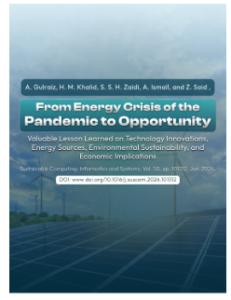
[Dubai,] June 2026] — A new research paper by Haris M. Khalid and collaborators delves into the long-term effects of the COVID-19 pandemic on the global energy system. The paper, titled Global Energy Lessons from the COVID-19 Crisis: Turning Disruption into Innovation, provides an in-depth analysis of how the pandemic acted as a double-edged sword for the energy sector. While causing massive disruptions to energy markets and consumption patterns, the crisis also presented unique opportunities for change and innovation.
The COVID-19 pandemic led to significant disruptions in global energy demand, including drastic declines in oil, gas, and electricity consumption due to lockdowns, travel restrictions, and the subsequent slowdown of economic activities. This shock to the global energy system underscored its vulnerabilities and the urgent need to adapt to more sustainable and resilient energy systems.
Haris M. Khalid and his team focus on how the pandemic created a backdrop for accelerating the adoption of renewable energy sources and digital technologies. From the accelerated integration of smart grids to the rise of decentralized energy systems, the study highlights how innovation in energy technology can be driven during periods of crisis.
The research team reviewed data from various sectors, including energy production, transportation, industry, and households. They found that while energy consumption in certain sectors decreased, there was a remarkable increase in the adoption of clean energy solutions like solar power, wind, and battery storage. Moreover, the crisis catalyzed new energy policies globally aimed at achieving cleaner, greener, and more equitable energy futures.
Key Findings:
- Decline in Energy Demand: Due to lockdown measures and the economic slowdown, there was a significant drop in global energy demand.
- Increase in Renewable Energy Adoption: The pandemic provided a unique opportunity for the rise of renewable energy, with solar, wind, and hydroelectric power seeing an uptick in usage.
- Policy Innovation: Policymakers around the world recognized the importance of green recovery plans and the necessity of investing in sustainable energy solutions for post-pandemic growth.
- Acceleration of Technological Innovation: The crisis acted as a catalyst for technology adoption, especially in the areas of smart grids, decentralized energy systems, and the digitalization of the energy sector.
Implications:
The research presents a compelling argument for why energy systems need to become more resilient and flexible in response to global crises. The authors propose that the global community leverage the lessons learned during the pandemic to build back better, with an emphasis on sustainability, innovation, and long-term energy security.
About the Authors:
Haris M. Khalid, an energy systems expert, has been at the forefront of research aimed at transforming global energy systems to be more sustainable, efficient, and resilient. His interdisciplinary work spans energy policy, renewable energy integration, and climate change mitigation strategies.
Contact:
Haris M. Khalid
Email: [harism.khalid@ieee.org]
Website: [https://harismkhalid.com/]
Source: FG Newswire