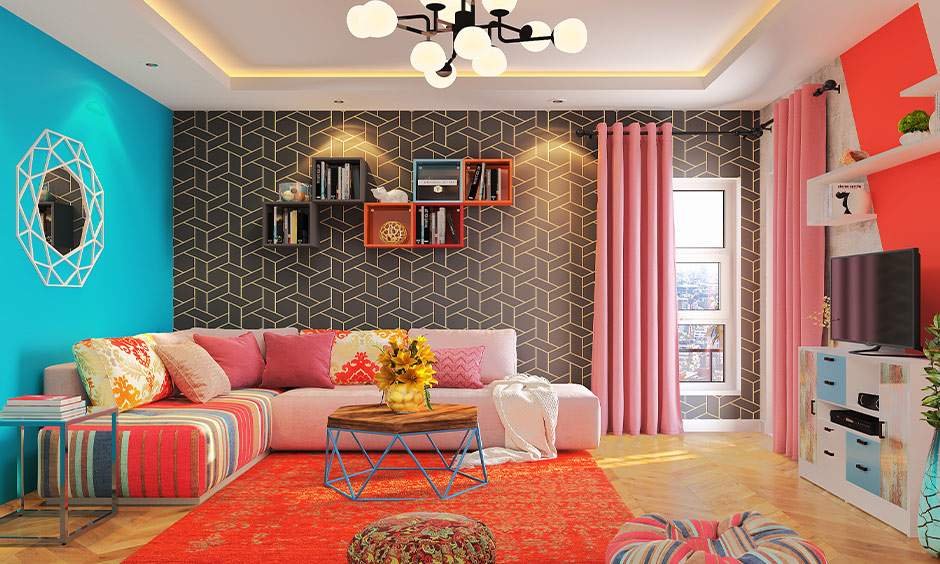
Wall art is one of the most influential elements in interior design, capable of redefining a room’s personality and ambiance without requiring major renovations. From vibrant paintings to minimalist prints, wall art introduces color, texture, and emotional depth into living and working environments. It serves as both a decorative feature and a storytelling medium, allowing individuals to showcase their style, memories, and creative vision. As design trends continue to evolve, wall art remains a timeless and adaptable décor choice that enhances both aesthetic appeal and personal expression.
The Impact of Wall Art on Interior Atmosphere
The presence of wall art can dramatically alter how a room feels and functions. A thoughtfully selected piece can create warmth in a living room, serenity in a bedroom, or motivation in a workspace. Art has the ability to evoke emotions and set the tone of a space, influencing mood and behavior in subtle yet powerful ways. For example, soft nature-inspired artworks can foster relaxation, while bold abstract pieces can energize and inspire creativity. By carefully choosing art that aligns with the intended purpose of each room, homeowners can create environments that are both visually appealing and emotionally supportive.
Understanding Different Categories of Wall Art
Wall art exists in a variety of forms, each offering distinct visual and stylistic qualities. Paintings remain a classic choice, ranging from traditional portraits to modern abstract compositions. Photographic prints capture real-life moments and scenic landscapes, adding authenticity and personal relevance to interiors. Canvas prints provide a textured, gallery-style finish, while metal and acrylic artworks offer sleek, contemporary aesthetics. Wall sculptures and 3D installations introduce depth and dimensionality, making walls appear more dynamic. Exploring these diverse categories allows individuals to select art pieces that complement their décor theme and design goals.
Matching Wall Art with Interior Design Styles
Integrating wall art with existing décor requires an understanding of interior design styles. Minimalist interiors benefit from simple, monochrome artwork that maintains clean visual lines. Bohemian spaces often feature colorful, eclectic pieces that reflect artistic freedom and cultural influences. Traditional interiors pair well with classic paintings or ornate framed art that conveys elegance and heritage. Modern and contemporary settings thrive on geometric designs, abstract visuals, and bold color contrasts. Aligning wall art with the overall design style ensures harmony and prevents visual conflicts that may disrupt the aesthetic flow of a room.
The Role of Color Harmony in Wall Art Selection
Color coordination is a fundamental aspect of selecting wall art. Artwork that complements existing color schemes enhances visual cohesion and balance within a space. Warm colors such as reds, oranges, and yellows create inviting and energetic environments, making them suitable for living rooms and social areas. Cool tones like blues, greens, and purples promote calmness and relaxation, ideal for bedrooms and reading corners. Neutral palettes offer flexibility and sophistication, blending seamlessly with various décor styles. Thoughtful color harmony helps unify design elements and elevates the overall visual experience.
Optimal Placement Strategies for Wall Art
Proper placement is essential to maximize the impact of wall art. Positioning artwork at eye level ensures comfortable viewing and natural alignment with the room’s layout. Large statement pieces are best placed on expansive walls, such as above sofas or beds, where they can serve as focal points. Smaller artworks can be arranged in gallery walls that create layered visual interest. Symmetrical placement fosters a sense of order and balance, while asymmetrical arrangements provide a modern and artistic flair. Strategic positioning allows each piece to shine while contributing to the room’s overall harmony.
Gallery Walls as Storytelling Displays
Gallery walls have gained immense popularity as a creative way to display multiple artworks in one cohesive arrangement. They allow individuals to combine photographs, illustrations, quotes, and paintings into a unified visual narrative. This approach adds personality and depth to interiors while making walls more engaging and interactive. Consistent spacing, frame coordination, and theme alignment are key to achieving a professional and visually pleasing gallery wall. Whether showcasing travel memories or artistic inspirations, gallery walls turn blank spaces into meaningful storytelling displays.
Materials and Textures That Enhance Visual Appeal
The choice of materials plays a significant role in the overall look and feel of wall art. Canvas offers a classic texture that softens colors and creates a gallery-like ambiance. Metal prints deliver a glossy and modern finish that reflects light for a striking effect. Wooden wall panels add warmth and natural charm, making them ideal for rustic or farmhouse interiors. Acrylic and glass prints provide vibrant color clarity and contemporary elegance. Combining different textures within a single room adds visual depth and creates a layered design aesthetic that feels sophisticated and dynamic.
Personalization and Emotional Connection Through Wall Art
Personalized wall art has become increasingly popular as people seek décor that reflects their individuality and life experiences. Custom photo prints, name-based designs, and personalized illustrations transform walls into visual representations of cherished memories and personal milestones. This form of art fosters emotional connections with living spaces, making them feel more intimate and meaningful. Personalized pieces not only enhance décor but also create a sense of belonging and identity within the home, turning walls into curated galleries of personal stories.
Enhancing Commercial Interiors with Wall Art
Wall art is equally important in commercial settings, where it contributes to brand identity and customer experience. Offices use motivational and contemporary artwork to create inspiring work environments that boost productivity. Restaurants and cafés incorporate thematic wall décor that reflects their concept and ambiance, making the space memorable for customers. Hotels and retail stores rely on elegant and visually striking art to create welcoming atmospheres that leave lasting impressions. By thoughtfully integrating wall art, businesses can enhance their visual appeal while reinforcing their unique brand image.
Innovative Personalized Displays with WallPics
A modern approach to customized décor can be seen through WallPics, which specializes in transforming personal photos into stylish wall displays. The concept emphasizes lightweight photo tiles that are easy to install and rearrange, allowing users to create flexible and evolving art galleries. By converting memorable moments into vibrant visual pieces, WallPics enables homeowners to design interiors that are both personal and contemporary. This innovative solution simplifies the decorating process while ensuring that every wall reflects individuality, creativity, and meaningful storytelling.
Budget-Friendly Ideas for Stylish Wall Décor
Creating beautiful wall art displays does not require a large budget. Printable digital artwork and DIY projects offer affordable yet creative alternatives to expensive pieces. Framing personal photographs or handmade sketches adds authenticity and uniqueness to interiors. Thrift shops and local art markets often provide distinctive and budget-friendly finds that enhance décor without overspending. Rotating artworks seasonally or rearranging existing pieces can refresh a room’s appearance, proving that stylish wall décor is achievable with thoughtful planning and resourcefulness.
Maintenance Tips to Preserve Wall Art Quality
Proper care ensures that wall art retains its visual appeal and longevity. Avoiding direct sunlight prevents fading and discoloration of prints and paintings. Regular dusting with a soft cloth keeps surfaces clean and vibrant. For glass or acrylic artworks, gentle cleaning solutions help maintain clarity and shine. Maintaining stable humidity levels protects materials like canvas and wood from warping or deterioration. Periodic inspection and repositioning also help preserve the quality of art pieces while keeping interior displays fresh and engaging.
FAQ
What type of wall art works best in small rooms?
Smaller rooms benefit from minimalistic or medium-sized artworks with light color palettes that create a sense of openness and avoid overwhelming the space.
How do I choose the right theme for wall art?
Select themes that align with the room’s purpose and your personal style. Calm landscapes suit bedrooms, while bold abstract pieces enhance social or creative areas.
Can mixing different art styles work in one room?
Yes, mixing styles can create an eclectic and dynamic look, but maintaining a consistent color scheme helps achieve visual harmony.
Is personalized wall art suitable for professional spaces?
Personalized art can work in offices if it maintains a professional tone, such as motivational quotes or subtle branded imagery.
How often should wall art be updated?
Updating wall art periodically or during seasonal décor changes keeps interiors fresh and aligned with evolving design preferences.
Conclusion
Wall art remains a powerful and versatile element in interior design, capable of transforming blank walls into captivating visual statements that reflect personality and creativity. Its adaptability allows it to complement a wide range of décor styles, from traditional elegance to modern minimalism. By considering factors such as color harmony, size, placement, material, and personalization, individuals can curate art displays that enhance both aesthetic appeal and emotional comfort within their spaces. The growing popularity of customized and flexible décor solutions highlights the evolving role of wall art in contemporary living. Whether used in homes or commercial environments, wall art enriches interiors by adding depth, character, and inspiration. Investing in thoughtfully chosen pieces ensures that every wall contributes to a cohesive and meaningful design narrative, ultimately creating spaces that are visually engaging, emotionally resonant, and uniquely reflective of individual taste and lifestyle.
Source: FG Newswire