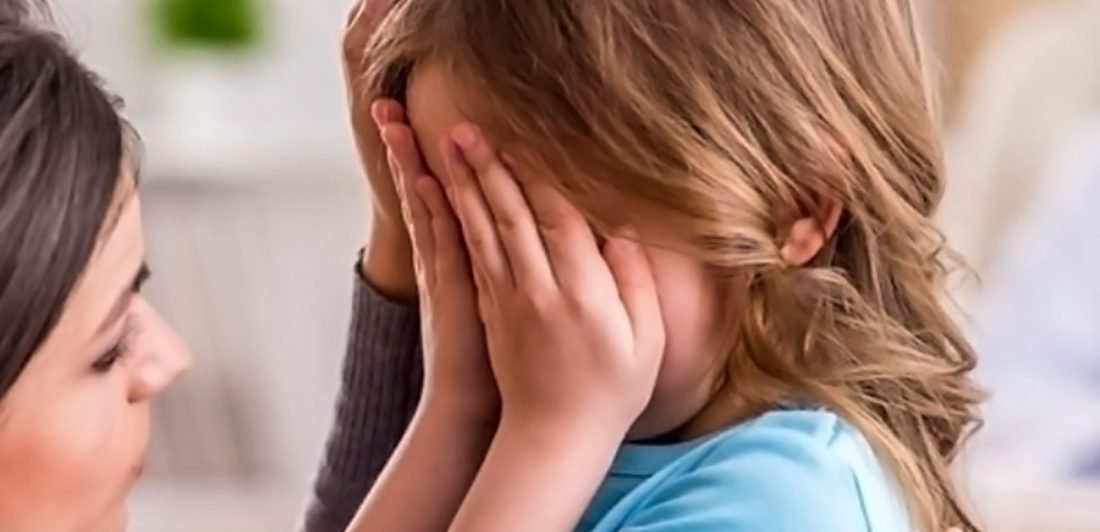
Childhood is meant to be a time of safety, growth, and discovery. For many, however, it is marked by fear, confusion, and pain. A childhood abuse survivor carries experiences that no child should ever endure — yet within that survivor lives extraordinary resilience, courage, and strength.
This article is not just about trauma. It is about survival. It is about healing. And most importantly, it is about hope.
Understanding the Impact of Childhood Abuse
Childhood abuse can take many forms — emotional, physical, sexual, or neglect. Regardless of the type, the impact can be profound and long-lasting. Abuse often disrupts a child’s sense of safety, trust, and self-worth. It can shape how they see themselves, others, and the world around them.
Many survivors grow up feeling responsible for what happened, even though the responsibility always lies solely with the abuser. Children naturally internalize their experiences. When something harmful occurs, they often believe they must have caused it or deserved it. This false belief can follow them into adulthood.
Long-term effects may include anxiety, depression, difficulty trusting others, relationship challenges, low self-esteem, or complex trauma responses. Some survivors struggle with boundaries. Others struggle with emotional regulation. Some become high achievers, overcompensating to feel worthy. Others withdraw, protecting themselves from further harm.
There is no single “correct” way a survivor looks or behaves. Every story is unique.
The Hidden Strength of Survivors
What often goes unrecognized is the incredible resilience that childhood abuse survivors develop. Surviving requires adaptation. It requires emotional intelligence, awareness, and strength beyond one’s years.
Many survivors become deeply empathetic adults. Having known pain, they are sensitive to the suffering of others. They may become protectors, advocates, caregivers, or leaders driven by a desire to create safer environments than the ones they experienced.
Survival itself is proof of strength.
The nervous system of a survivor may have been on high alert for years, constantly scanning for danger. While this hypervigilance can be exhausting, it also reflects a powerful instinct for self-preservation. The mind and body did what they needed to do to survive.
Recognizing this strength is an important step in healing. Survivors are not “broken.” They are individuals who adapted to survive unimaginable circumstances.
The Journey of Healing
Healing from childhood abuse is not linear. It does not follow a predictable timeline. Some survivors begin therapy in early adulthood. Others don’t confront their trauma until midlife. Some experience triggers that bring buried memories to the surface years later.
Healing often begins with awareness — acknowledging that what happened was abuse and that it was not the survivor’s fault. This realization alone can be life-changing.
Therapy, particularly trauma-informed therapy, can help survivors process experiences safely. Approaches such as EMDR (Eye Movement Desensitization and Reprocessing), somatic therapy, cognitive behavioral therapy, and internal family systems therapy have helped many survivors reclaim control over their lives.
Support groups can also be powerful. Hearing others share similar experiences reduces isolation and shame. It reminds survivors that they are not alone.
Self-compassion is another critical piece. Many survivors hold themselves to impossibly high standards. Learning to speak to oneself with kindness — instead of criticism — can feel unfamiliar but transformative.
Healing may also involve setting boundaries, learning to say no, and choosing relationships that feel safe and respectful. For someone who grew up without healthy boundaries, this can feel uncomfortable at first. But it is an essential step toward empowerment.
Reclaiming Identity
One of the most painful consequences of childhood abuse is identity distortion. Survivors may grow up believing they are unworthy, unlovable, or damaged. These beliefs are not truths — they are narratives shaped by trauma.
Reclaiming identity involves separating who you are from what happened to you.
You are not your trauma.
You are not your abuse.
You are not the labels others placed on you.
You are a person with talents, passions, dreams, and strengths that exist independently of your past.
Some survivors find healing through creative expression — writing, art, music, or storytelling. Others reconnect with their bodies through yoga, movement, or mindfulness practices. Some channel their experiences into advocacy work, helping protect other children or supporting fellow survivors.
There is no “right” way to reclaim your story. The important part is recognizing that you have the right to define yourself on your own terms.
Relationships After Trauma
Relationships can feel especially complicated for survivors. Trust may not come easily. Vulnerability can feel dangerous. Some survivors fear abandonment. Others fear closeness.
These patterns are not character flaws; they are protective mechanisms.
Healthy relationships after trauma often require patience, communication, and mutual understanding. It may take time to feel safe with someone. It may take time to recognize red flags. Therapy can help survivors understand attachment patterns and build healthier relational habits.
Over time, safe relationships can become powerful healing experiences. Being believed. Being respected. Being treated gently. These experiences challenge old narratives and create new neural pathways of safety.
Breaking the Cycle
Many childhood abuse survivors carry a deep fear: “What if I repeat what was done to me?”
The fact that this question exists is often evidence of deep integrity and awareness. Survivors who consciously choose healing are actively breaking cycles. They are creating safer homes, healthier relationships, and new generational patterns.
Breaking the cycle may mean seeking therapy before becoming a parent. It may mean learning emotional regulation skills. It may mean apologizing to your children when you make mistakes — something you may never have received.
Every intentional step toward healing disrupts the legacy of abuse.
You Are Not Alone
One of the most damaging effects of childhood abuse is isolation. Many survivors were silenced, disbelieved, or threatened. That silence can linger long after the abuse ends.
But you are not alone.
There are communities, therapists, advocates, and fellow survivors who understand. There are people who believe you. There are people who care.
If you are struggling, reaching out for help is not weakness. It is courage.
From Survivor to Thriver
Survival is powerful. Thriving is transformative.
Thriving does not mean forgetting. It does not mean pretending it didn’t happen. It means building a life where the past no longer controls your present. It means experiencing joy without guilt. It means feeling safe in your own body and mind.
Healing is possible. Growth is possible. Peace is possible.
Your story does not end with what happened to you. It continues with what you choose to build from here.
And that story — the story of resilience, courage, and reclaiming your power — is one of extraordinary strength.
Source: FG Newswire