Coconut jelly is a familiar sweet treat often associated with refreshing drinks and childhood memories, yet its value goes far beyond taste alone. Made from fermented coconut water, this chewy jelly supports digestion, is commonly enjoyed as a refreshing ingredient in hot weather, and plays an important role in modern food and beverage products around the world.
What is coconut jelly and how is it made?
Coconut jelly is a product created through the natural fermentation of mature coconut water using Acetobacter xylinum. During this process, the bacteria convert sugars in the coconut water into cellulose, forming a thick, white jelly layer that is later washed, cut, and processed into small cubes.
Coconut jelly is also widely known as nata de Coco, especially in Asian markets, where it is commonly used in drinks and desserts. After fermentation, the raw jelly goes through multiple cleaning and cooking stages to remove acidity and improve texture, resulting in clear, chewy cubes with a mildly sweet flavor. Thanks to its neutral flavor and pleasant mouthfeel, nata de coco has become a popular ingredient in beverages, desserts and ready-to-eat snacks.
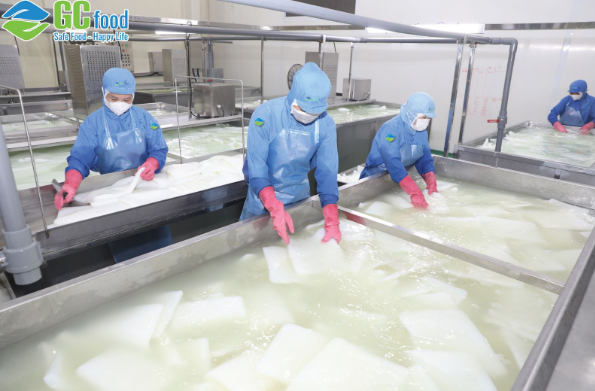
The coconut jelly manufacturing process consists of multiple complex stages.
Coconut jelly health benefits you should know
Supports digestive health
One of the most valuable benefits of coconut jelly is its high fiber content, which supports healthy digestion and overall gut function. The natural cellulose formed during fermentation helps stimulate digestion, supports bowel movements, and may help relieve constipation or digestive discomfort.
Low-calorie and fat-free snack
This jelly is naturally low in calories and contains almost no fat or cholesterol, making it a light and refreshing choice that can be enjoyed every day without guilt. As a result, it is suitable for people following weight-control diets or for those who are looking for a satisfying yet light snack that does not feel heavy.
Offers a refreshing sensation in hot weather
Nata de coco is commonly used in tropical regions to help cool the body during hot weather, especially as a refreshing ingredient in daily foods and beverages. When added to chilled drinks or desserts, it delivers a pleasantly refreshing sensation while also providing a refreshing and enjoyable eating experience.
Suitable for modern healthy lifestyles
Nata de coco is plant-based and easy to enjoy with fruits, yogurt, or low-sugar beverages, making it a convenient option for everyday consumption. This allows it to align well with today’s clean-eating and wellness trends, appealing to consumers who prefer lighter, plant-based food choices.
Coconut jelly applications in food and beverage products
Nata de coco is widely used across many product categories thanks to its versatility and pleasant texture:
– Milk tea and bubble tea toppings
– Fruit juices and smoothies
– Yogurt and fermented dairy products
– Sweet soups and chilled desserts
– Ready-to-eat packaged snacks
Manufacturers can customize cube size, sweetness level, and syrup concentration to match different consumer preferences. In many international markets, nata de coco is especially valued for adding texture without altering the main flavor profile.
Nata de coco can be processed into a wide variety of appealing foods and beverages, suitable for all age groups.
What to consider when buying coconut jelly
When choosing coconut Jelly, safety and quality should always come first to ensure an enjoyable eating experience and help consumers avoid low-quality or potentially unsafe products. The following factors can help guide a more informed and confident purchase decision:
– Clear labeling: Choose products with full information on the manufacturer, origin, and food safety certification.
– Simple ingredients: Quality products usually contain coconut water, sugar, and fermentation cultures, without excessive preservatives.
– Natural aroma: Good jelly has a mild coconut scent and a clean taste. Sour or alcoholic smells may indicate poor processing.
– Trusted brands: Reputable producers ensure consistent texture, hygiene, and shelf stability.
Nata de coco production standards at GC Food
As a leading coconut-based food manufacturer in Vietnam, G.C Food Joint Stock Company (GC Food) applies strict international standards to its nata de coco production. Raw coconut water is sourced from coconut-rich regions such as Ben Tre and processed using modern pasteurization technology.
The production process includes controlled fermentation, thorough washing, precise cutting and final pasteurization to eliminate harmful microorganisms without using chemical preservatives. This ensures the jelly remains naturally chewy, lightly sweet, and safe for long-term storage. GC Food products are certified by FSSC 22000, HALAL, FDA, and GACC, with an annual output of over 15,000 tons supplied to both domestic and international markets.
GC Food’s nata de coco products are produced using modern technology, ensuring consistently high quality.
Coconut jelly vs. nata de coco: Are they different?
In essence, coconut jelly and nata de coco refer to the same product, with the difference mainly lying in naming and market usage. While “nata de coco” is commonly used in export and international trade, coconut jelly is a more consumer-friendly term in many regions. Regardless of the name, quality depends on raw materials, fermentation control and food safety standards rather than terminology.
Coconut jelly is more than a nostalgic dessert – it is a functional, refreshing and nutritious ingredient suited for modern lifestyles. From digestive support and low-calorie benefits to wide-ranging applications in food and beverages, its value continues to grow. By choosing products from reputable manufacturers with clear standards and certifications, consumers and businesses alike can enjoy the full benefits of coconut jelly with peace of mind.
Source: FG Newswire