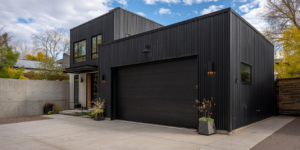
On a homestead, every system has to earn its keep. Your garage door is no exception. It is the biggest moving part of most homes, the main gateway for projects, food storage, tools, and vehicles, and often the first barrier against heat, wind, dust, and opportunistic pests. When a garage door is tuned, insulated, and safely balanced, it saves time, cuts utility costs, and protects the gear you rely on. When it is neglected, it can become a constant source of noise, energy loss, and safety risk. For Dallas homeowners who value self reliance and practical upgrades, getting the garage door right is one of the best investments you can make.
Why a homestead minded garage door matters
A well set up garage door turns a busy household into an efficient one. Balanced springs keep the opener from straining. Sealed ball bearing rollers reduce friction and vibration. Straight, true tracks prevent binding so the door glides the same way every time. Add modern insulation and fresh weather seals and you have a barrier that blocks heat, dust, and insects. That means stored food stays cleaner, power tools last longer, and the space becomes comfortable enough for canning, minor repairs, or seed starting in shoulder seasons.
Security counts too. A door that closes evenly across the slab, without gaps or daylight, discourages both pests and intruders. If a bedroom sits over the garage, quiet hardware and soft start openers protect sleep during early chores or late returns. These gains are not theoretical. You can hear and feel the difference the very first morning after a proper tune up.
The daily checklist a homesteader will actually use
Homesteaders already run routine checks on fencing, irrigation, and livestock housing. Add this simple garage door checklist to your calendar quarterly:
- Look and listen. Stand inside and run the door. Clicking or grinding means friction. Sway or shudder means alignment issues.
- Balance test. With the door closed, pull the red release cord. Lift to waist height and let go. A balanced door holds position. If it falls or rises, spring tension needs a professional.
- Safety reverse. Place a scrap 2 by 4 flat on the threshold. Close the door by remote. It should reverse immediately on contact.
- Photo eyes. While closing, wave a broom handle through the sensor beam near the floor. The door should reverse instantly. Clean the lenses with a soft cloth.
- Inspect bottom and side seals for cracks or pest chew marks. Replace if brittle or gapped.
- Hardware glance. Tighten visible hinge and bracket fasteners. Leave springs and cables to trained techs.
Fifteen careful minutes can prevent the kind of failures that trap a vehicle when you least expect it.
Insulation, weathering, and energy savings
Dallas heat can turn a garage into an oven. If you store pantry goods, emergency water, seeds, or batteries in the space, temperature swings matter. Modern insulated doors use polyurethane or polystyrene cores that dramatically cut heat transfer. Add perimeter seals and a fresh bottom gasket and you block wind, dust, and insects while keeping hot air out. If the garage houses freezers, a chest fridge conversion, or backup power gear, these improvements support better performance and lower runtime costs.
Insulation also reduces noise from the street and from the door itself. If you run tools early or late, your household and neighbors will appreciate the difference.
Lighting, power, and smart control for preparedness
Good illumination makes any space safer. Choose an opener with integrated LED lighting that spreads even light without extra fixtures. If you lean toward preparedness, a model with battery backup keeps the door moving when the grid flickers. Smart app control adds practical benefits: confirm the door is shut, close it remotely if you forgot, and issue temporary access codes for a neighbor feeding animals while you are away. Keep routers and mesh nodes a few feet from the opener to reduce interference, and use garage rated bulbs to avoid radio noise that can limit remote range.
Repair or replace: think like a builder
Homesteaders prefer repair over replacement when possible, and that mindset works here. Track truing, sealed roller upgrades, fresh seals, new cables, and opener recalibration often restore quiet travel at modest cost. Choose replacement when sections are warped, rust has penetrated skins, or the door cannot hold shape even after adjustments. If you want a cooler, cleaner, and quieter workspace for canning, carpentry, or seed trays, an insulated door with a quiet DC opener can transform the area in a single afternoon.
Pest and weather control with simple details
Mice, wasps, and dust are relentless. A tight bottom seal, intact side weather strips, and a door that sits square on the slab are your best defenses. Ask your technician to check for light leaks at night with the interior lights on. Any sliver of light is an invitation. For added protection, consider a metal threshold plate or epoxy leveling where the slab is uneven. Keep sacks of feed and seed in sealed bins, and sweep tracks regularly so grit does not grind into rollers.
Safety you can verify
A safe system is one you can test. Two minutes after any service visit, run the same safety reverse checks listed above. The technician should also weigh the door to choose the correct spring rating and document cycle counts for future planning. If you store kids bikes or garden wagons in the garage, these verifications are not optional.
When a new door aligns with long term plans
If you are planning a broader homestead upgrade, a new insulated door can be the keystone that makes other improvements practical. Better temperature control helps freezers and battery systems. Quieter motion supports early chores. Daylight via a top row of frosted windows brightens potting benches and tool walls while keeping storage areas private. If you want to explore product choices and timing for garage door installation, review the basics, then bring your goals and budget to a local pro for exact sizing and hardware selection.
Why local service matters for homestead schedules
Ranch gates, feed deliveries, and school runs do not pause for a stuck door. Local expertise means faster response and parts that match Dallas heat and dust. Clear communication, photo backed findings, and good, better, best options respect your time and budget. If you want a single team that handles inspections, honest repairs, and tune ups without upsells, it pays to build a relationship for dependable local garage door repair so help is one call away when something feels off.
A seasonal maintenance rhythm that sticks
- Spring: deep clean sensors and tracks after wind and pollen. Replace seals if brittle.
- Summer: confirm ventilation and insulation. Check that opener lights are bright and that battery backup is healthy.
- Fall: tighten hardware after heat cycles. Lubricate steel hinges, steel roller bearings, and torsion spring coils with garage rated spray. Avoid the opener belt and nylon roller tires.
- Winter: verify the door seals evenly to the slab to block drafts. Repeat safety reverse tests after any adjustment.
The payoff for homestead living
A tuned door saves minutes every day and avoids emergencies that derail chores. It protects tools, preserves stored goods, and gives you a workable space for projects without sweating through your shirt. It is quieter, safer, and more efficient, which is exactly what homestead living is about: systems that support you without constant attention.
Build this backbone once and it will keep paying you back in smoother mornings, calmer evenings, and fewer surprises during the year’s busiest seasons.
My Garage Door Repairman
221 Yorktown St, Dallas, TX 75208
214-888-3771
mygaragedoorrepairman.com
Source: FG Newswire