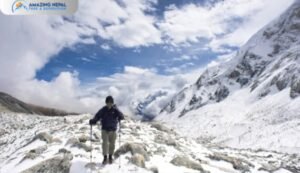
The Manaslu Trek is one of the most captivating trekking routes in Nepal, known for its blend of stunning landscapes, rich cultural heritage, and the thrill of adventure. Situated in the Himalayas, the route takes trekkers on an unforgettable journey through picturesque villages, dense forests, and breathtaking mountain vistas. It leads to Mount Manaslu, the eighth-highest peak in the world, offering trekker’s unparalleled views of majestic snow-capped peaks. This guide offers a comprehensive overview of everything you need to know about Manaslu Trekking and the required permits.
What is Manaslu Trek?
The Manaslu Trek is considered one of the most scenic and less-traveled trekking routes in Nepal. The region is famous for its natural beauty and the towering presence of Mount Manaslu (8,163 meters), which is surrounded by some of the most stunning mountain ranges in the Himalayas. While the trek offers unparalleled views of the mountains, it also provides trekkers with an opportunity to immerse them in the rich cultural history of the region.
The trail passes through remote villages, dense forests, and high-altitude landscapes. It also provides a glimpse into the lives of the indigenous people, including the Gurungs and Tibetan-influenced communities, whose culture and traditions have remained largely unchanged for centuries.
Best Time to Go for the Manaslu Trek
The best time to visit Manaslu trekking guide & Permitsis during the spring (March to May) and autumn (September to November) seasons. These months offer the most favorable weather conditions, including clear skies and moderate temperatures, making it ideal for trekking.
Spring (March to May):
During spring, the temperatures are mild, and the days are mostly sunny. The region also comes alive with blooming flowers, enhancing the beauty of the landscapes. The weather is stable, and trekkers can enjoy clear views of the mountains.
Autumn (September to November):
Autumn is another great season for trekking. The weather remains clear, and the skies are usually bright and crisp. The temperatures are moderate, and the chances of rain are minimal. This season offers the best visibility of the mountains, making it perfect for those who want to witness the stunning Himalayan vistas.
While these two seasons are ideal, the trek can be done outside these periods as well. However, trekking during the monsoon (June to August) or winter (December to February) is not recommended due to the risk of avalanches, heavy snow, and poor visibility.
Difficulty Level of the Manaslu Trek
The Manaslu Trek is considered a moderate to difficult trek. While it is not as technically challenging as some other treks in Nepal, it still requires a good level of physical fitness. Trekkers should be prepared for long days of walking, steep ascents, and high-altitude trekking.
As the trek reaches altitudes over 5,000 meters, proper acclimatization is crucial to avoid altitude sickness. The trek also involves navigating through rugged terrain, crossing suspension bridges, and walking along narrow paths that can be physically demanding. However, the reward of witnessing panoramic mountain views, lush forests, and tranquil landscapes makes it all worthwhile.
Manaslu Trek Route and Duration
The Manaslu Circuit Trek typically takes around 11 to 18 days, depending on your pace and the itinerary. The route covers a variety of landscapes and passes through several traditional villages and remote areas. Your journey begins with a scenic drive from Kathmandu to Soti Khola, the starting point of the trek. From there, you will trek through lower regions, gradually ascending through beautiful villages like Tatopani, Deng, and Namrung. The trek continues up to Samagaon, a village that offers magnificent views of Mount Manaslu. The highest point of the trek is the Larkya La Pass, standing at 5,160 meters. The crossing of this pass is considered the most challenging part of the trek, but it offers breathtaking panoramic views of snow-capped peaks.
Key Attractions on the Manaslu Trek
The Manaslu Trek is filled with scenic beauty, rich culture, and thrilling challenges. Some of the key attractions include:
Mount Manaslu
The trek is dominated by views of Mount Manaslu, which stands proudly at 8,163 meters. The peak is visible from several vantage points along the trek, and its towering presence is awe-inspiring.
Larkya La Pass (5,160 meters)
The Larkya La Pass is the highest point of the trek and a major highlight. The crossing of the pass provides trekkers with incredible views of the surrounding Himalayan peaks, including Himlung Himal and Cheo Himal. Though the pass is physically demanding, the views make it a truly unforgettable experience.
Samagaon Village
Samagaon is a Tibetan-influenced village located at the base of Mount Manaslu. The village is known for its serene atmosphere and the unique culture of the locals. Samagaon also serves as a good acclimatization stop, allowing trekkers to explore nearby areas, including Manaslu Base Camp.
Budi Gandaki River
The trek follows the course of the Budi Gandaki River, which is known for its scenic beauty. The river valley is dotted with suspension bridges, and its rugged terrain adds to the adventure.
Manaslu Trekking Permits
Manaslu Trekking Guide & Permits requires several permits due to the protected status of the area. These permits ensure the preservation of the region’s natural beauty and cultural heritage. Here are the permits you will need to trek in Manaslu:
Manaslu Conservation Area Permit (MCAP):
This permit is required to enter the Manaslu Conservation Area, which is home to a diverse range of wildlife and plant species. It helps fund conservation efforts and maintain the natural ecosystem of the region. The MCAP costs NPR 3,000 for foreign nationals. It is important to secure this permit in advance.
Annapurna Conservation Area Permit (ACAP)
Since the Manaslu Trek intersects with the Annapurna region, trekkers also need an ACAP permit. This permit is necessary for those trekking in the Annapurna Conservation Area.
The ACAP permit also costs NPR 3,000 for foreign nationals and can be easily obtained along with the Manaslu Conservation Area Permit.
Special Restricted Area Permit (Local Government Permit)
The Manaslu region is a restricted area, meaning trekkers need a Special Permit to enter. This permit can only be obtained through a registered trekking agency, and it allows for a limited number of trekkers per day to maintain the ecological balance of the region.
The Special Permit costs USD 100 per person per week for the first seven days in September – November and USD 15 per person per day beyond 1 week. On December – August Permit costs USD 75 per person per week for the first seven days and USD 10 per person per day beyond 1 week. It is advisable to apply for this permit in advance through a trekking agency.
Hiring a Guide and Porter
While the Manaslu Trek is accessible to trekkers with moderate experience, it is recommended to hire a local guide and porter via Local company for a smoother experience. An experienced guide can help navigate the challenging terrain, ensure that the correct permits are in place, and provide cultural insights. A porter can help carry your heavy bags, allowing you to enjoy the trek without exhaustion. Trekking agencies, such as Amazing Nepal Trek, offer trained guides and porters who are familiar with the Manaslu region and its unique challenges.
Conclusion
The Manaslu Trek is one of the most rewarding trekking routes in Nepal, offering trekkers an opportunity to experience pristine landscapes, diverse cultures, and the majestic presence of Mount Manaslu. With proper preparation, knowledge of the necessary permits, and guidance from a reputable trekking agency, this trek can be an unforgettable adventure. If you’re looking to explore the Manaslu region with an experienced guide, check out Amazing Nepal Trek for customized trekking packages and expert guidance.