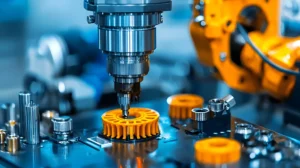
Singapore’s manufacturing sector has embraced metal injection molding as a game-changing technology. MIM brings together the versatility of plastic injection molding with the durability of metal parts. This combination opens doors for manufacturers who need precision components with complex shapes.
What Makes Metal Injection Molding Special?
The MIM process starts by blending fine metal powders with plastic binders. This mixture gets injected into molds, much like regular plastic molding. After that, parts go through debinding and sintering to become solid metal components.
Singapore’s manufacturers love MIM because it handles complicated designs that traditional machining struggles with. From medical tools to aerospace parts, companies find that MIM delivers precision without breaking the bank. The technology has found a natural home in Singapore’s high-tech industrial landscape.
Why Singapore Embraces MIM Technology
Metal injection molding in Singapore has grown rapidly thanks to the country’s skilled workforce and excellent infrastructure. Local companies appreciate how MIM cuts down on waste while producing parts with tight tolerances.
Traditional machining often wastes a lot of material. MIM, on the other hand, uses over 95% of the raw materials. That’s a huge difference when you’re running large production batches. Plus, MIM eliminates many finishing steps that other processes require.
Where MIM Makes an Impact
Medical device makers rely heavily on metal injection molding. Surgical instruments need to be both precise and biocompatible. MIM delivers on both fronts. Orthodontic brackets, dental tools, and even implantable devices come out of MIM facilities across Singapore.
Electronics manufacturers use MIM for tiny connectors and heat sinks. These parts need exact dimensions, sometimes down to fractions of a millimeter. The automotive industry has jumped on board too. Fuel injection components, turbocharger parts, and transmission elements all benefit from MIM’s capabilities.
Smartphone makers appreciate MIM for creating sleek metal casings. The aerospace sector values the technology for producing lightweight yet strong components. Each industry finds unique advantages in what MIM offers.
Cost Savings and Green Manufacturing
Beyond technical performance, MIM makes financial sense. The high material utilization means less waste going to scrap. Traditional machining might turn 70% of your raw material into chips. MIM keeps almost everything in the final part.
Energy consumption drops too. Fewer secondary operations mean less machine time and lower power bills. Production cycles speed up, which helps companies meet tight deadlines. Singapore’s push for sustainable manufacturing aligns perfectly with these benefits.
Meeting Strict Quality Requirements
Companies in Singapore maintain certifications like ISO 9001 and ISO 13485. Medical device manufacturers need these credentials. Aerospace suppliers pursue AS9100 certification. MIM facilities meet all these standards consistently.
The process itself promotes quality. Once you dial in the parameters, every part comes out nearly identical. Tolerances typically hit ±0.3% to ±0.5% of target dimensions. Surface finishes reach professional standards right off the sintering furnace.
Material Choices Keep Expanding
Modern MIM shops work with stainless steel, tool steel, and specialized alloys. Titanium has become popular for medical and aerospace uses. Its strength-to-weight ratio beats most other metals. Soft magnetic materials serve the electric vehicle market.
Tungsten-based materials handle extreme conditions. Each material brings specific properties to the table. Manufacturers pick the right alloy based on whether they need corrosion resistance, magnetic characteristics, or maximum strength.
What’s Next for MIM in Singapore
Industry 4.0 technologies are transforming MIM production. Smart sensors monitor every step of the process. Artificial intelligence helps optimize parameters in real-time. These advances push quality higher while reducing defects.
Universities and companies collaborate on new MIM materials. Research labs test novel powder formulations. The renewable energy sector shows interest in MIM for wind turbine components. Robotics companies need custom metal parts that MIM produces well.
Singapore’s government backs advanced manufacturing initiatives. Funding flows to companies that invest in cutting-edge equipment. Training programs prepare workers for high-tech MIM operations. This support ensures Singapore stays competitive globally.
Looking at the Bigger Picture
Metal injection molding has carved out an important place in Singapore’s manufacturing ecosystem. The technology solves problems that stumped engineers for decades. Complex shapes, tight tolerances, and cost-effective production all come together in MIM.
As products get smaller and more sophisticated, MIM becomes even more valuable. Singapore’s combination of technical expertise, modern facilities, and strategic location makes it an ideal hub for this technology. The future looks bright for metal injection molding in the region.
Manufacturers who adopt MIM gain flexibility in design and efficiency in production. Whether you’re making medical devices or consumer electronics, MIM opens possibilities that weren’t available before. Singapore continues investing in this technology because it delivers results that matter to both businesses and customers.
Source: FG Newswire