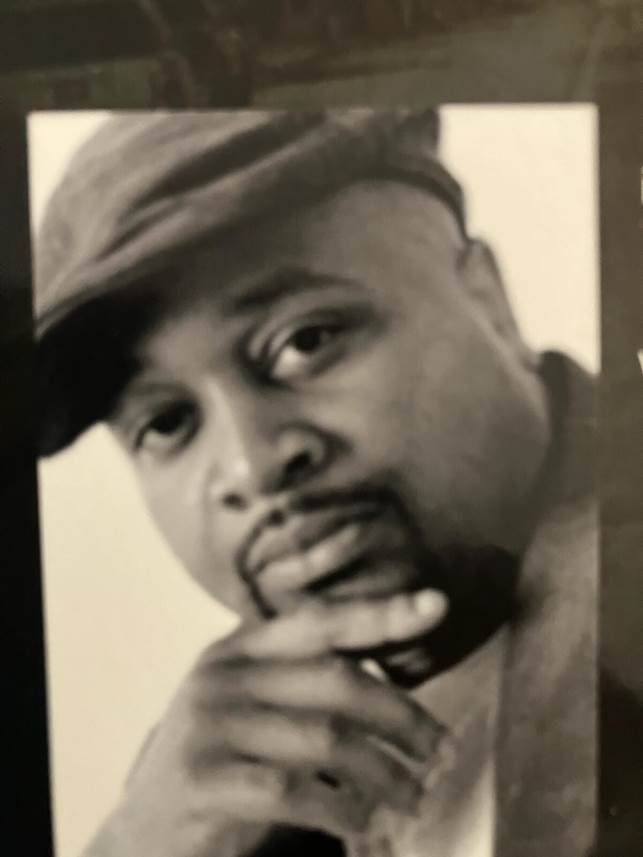
By Frankie Jay
Blood, Lies, & Secrets is not another thriller. I wrote it because I felt that there were many voices that I wasn’t hearing. These are the voices that are usually ignored, not understood, or even silenced altogether. The stories of men who carry invisible wounds, shaped long before adulthood, before their choices were judged, and before anyone asked the question: why?
I have always thought of myself as a visual writer, and for more than 30 years, writing has been my way of making sense of the world. I don’t simply tell the stories; I see them, and what I have seen over and over again is how childhood experiences shape who we become, whether we like it or not.
It is important to remember that trauma doesn’t always announce itself out loud. There are times when it is quiet, times when it whispers, and times when it is hidden behind anger, addiction, or emotional distance. And sometimes, it gets labeled as something else entirely.
Childhood Trauma Is Not a Niche Topic
Over the years, I have learnt that one of the biggest misconceptions when it comes to trauma is that it only affects certain communities or people. In reality, childhood trauma crosses gender, race, and socioeconomic lines. It is universal. The only difference is how it is recognized —and whether it’s even acknowledged at all.
For so many men, especially Black men, vulnerability is often seen as a weakness instead of a necessity. Usually, they feel that pain is meant to be endured, and survival is valued more than healing. Sadly, by the time adulthood arrives, those early experiences are so deeply ingrained that even the person carrying them may not realize the lasting influence they still have.
In Blood, Lies, & Secrets, it was my intention to look at how those early wounds follow us into adulthood, and how they shape relationships, choices, and self-perception. This is not to excuse harmful behavior, but to understand it. Because understanding is where real change begins.
Beyond Labels and Headlines
The world that we live in is plagued by labels. Violent. Addict. Dangerous. Broken. It is these labels that make it easy to stop asking questions, and simply accept.
But people are not headlines. They are histories.
All too often, Black men are defined by the worst moments of their life. But never do we explore the incidents that actually led them there. The root of their pain is never discussed, and what they went through in their childhood is seldom considered. And amongst all of that, somewhere along the way humanity has become lost.
I believe storytelling has the power to disrupt that cycle.
By writing fiction, I can look at these realities in a way that invites empathy rather than defensiveness. That’s why I see fiction as a form of abstract art. It doesn’t lecture—it reveals. In fact, fiction allows readers to sit inside someone else’s experience, to feel the tension, confusion, fear, and hope without being told what to think.
Survival, Resilience, and Creativity
I learnt about survival early on when growing up in Washington DC’s inner city. This taught me to be aware, adaptive and resilient, but at the same time, it showed me how I can use creativity as a lifeline when options feel limited.
Writing was my way of turning the things that I saw and lived into something meaningful. Throughout those years, books such as The Life and Times of Bean and Through the Eyes of Him gave me the opportunity to explore identity, struggle, and perspective
But Blood, Lies, & Secrets pushed me further than anything I’d written before, and forced me to deal with some uncomfortable truths—not just about the world, but about how deeply pain can shape behavior when it is left unaddressed.
Why Giving Voice Matters
When I say I want to give voice to the voiceless, I don’t mean speaking for people. I mean creating space for stories that don’t often get told in full. Stories that are usually dismissed, misunderstood, or intentionally ignored.
I have learned that silence doesn’t protect anyone. All it does is allow pain to keep recycling itself—across generations, across communities, and across lives.
If Blood, Lies, & Secrets does one thing, I hope it encourages readers to pause before judging. To ask better questions. To recognize that behind every behavior is a backstory—and behind every backstory is a human being trying to survive the best way they know how.
An Invitation to Listen
I didn’t write this book to give answers. Instead, I wrote it with the intention of starting conversations around how trauma does not define a person, and how ignoring it can completely destroy them.
Sometimes, giving voice to the voiceless starts with something simple: paying attention.